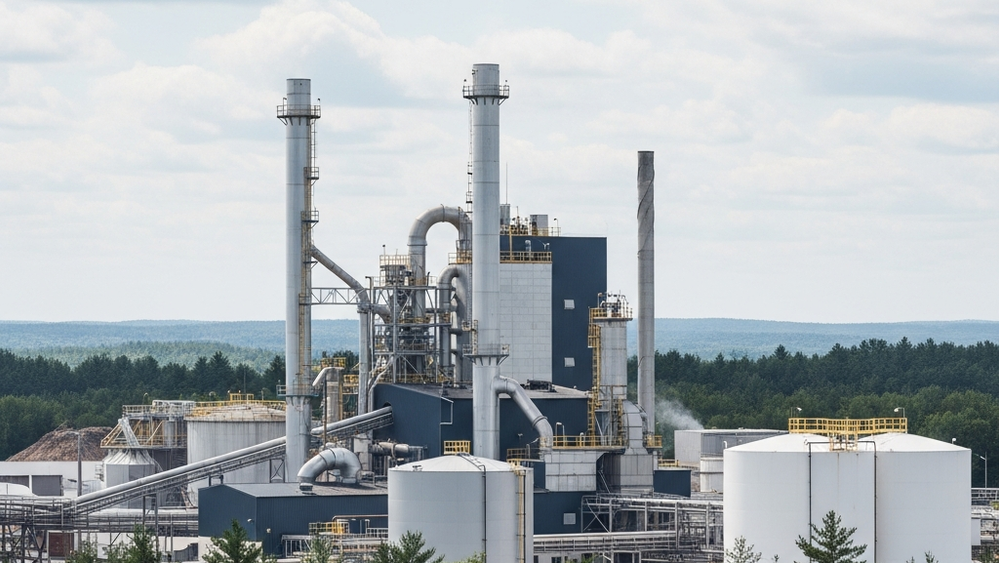
Deadly Gas Release at Baileyville Pulp Mill Triggers Fines
A federal investigation by the Occupational Safety and Health Administration (OSHA) has resulted in over $700,000 in proposed penalties against a hardwood pulp mill in Baileyville, Maine. According to official reports, the employer significantly exposed workers to safety and health hazards following the release of a deadly chemical gas that resulted in a tragic fatality. Investigators found that the company failed to implement necessary safeguards, leading to 16 serious violations of federal safety standards. This incident highlights the extreme dangers industrial workers face when proper ventilation and chemical handling protocols are ignored by management.
Affected by a Workers Compensation Issue?
Our specialized tool can help you estimate the potential worth of your case based on current laws and precedents.
Who Is Liable for Industrial Chemical Hazards?
Determining liability in cases of toxic gas exposure requires a deep dive into whether the employer followed established safety mandates. Under the OSH Act of 1970, employers have a non-delegable duty to provide a workplace free from recognized hazards that are likely to cause death or serious physical harm. When a company ignores warnings or fails to maintain equipment, they may be held liable for gross negligence, potentially allowing victims to bypass standard workers' compensation limits. Legal theories such as strict liability or toxic torts often apply when hazardous substances are mismanaged, and the recent OSHA violations at the Maine facility provide a strong foundation for establishing employer fault.
Protecting Your Rights After a Toxic Workplace Incident
If you or a loved one has been harmed by chemical fumes on the job, the first priority is seeking specialized medical evaluation for respiratory or neurological damage. You must report the incident to your supervisor immediately to create a paper trail, but you should also document the scene and identify witnesses who saw the safety failures firsthand. To understand the potential worth of a legal claim, you should use our free case calculator to see how your medical bills and lost wages factor into a recovery. Many workers don't realize that in cases of extreme negligence, they may be able to sue their employer directly rather than relying solely on insurance benefits.
Understanding Compensation in Fatal Toxic Exposure Cases
Settlement values for workplace fatalities or severe workplace toxic exposure claims vary widely based on the victim's age, earning capacity, and the level of corporate misconduct involved. Damages often include full reimbursement for medical stabilization, burial costs in wrongful death scenarios, and compensation for the loss of future financial support for surviving dependents. In cases like the Baileyville mill leak, punitive damages may be considered if it is proven that the company willfully ignored safety protocols. Families often seek guidance from Department of Labor compliance resources to understand the safety standards that should have protected their loved ones from harm.
Federal Frameworks for Chemical Safety Compliance
Industrial facilities that handle hazardous materials must adhere to strict Process Safety Management (PSM) standards designed to prevent the unexpected release of toxic chemicals. The National Institute for Occupational Safety and Health (NIOSH) provides specific guidelines on permissible exposure limits and the necessary personal protective equipment (PPE) required for high-risk environments. In Maine, the statute of limitations for personal injury and wrongful death claims typically provides a two-year window from the date of the incident to file a lawsuit, making timely action essential. Understanding these toxic tort legal definitions is crucial for anyone attempting to hold a large corporation accountable for environmental or workplace negligence.
Calculate the Value of Your Maine Injury Claim
Navigating the aftermath of a fatal workplace accident is overwhelming, but you do not have to determine your legal options alone. Our platform provides the tools necessary to evaluate the financial impact of your injuries or the loss of a family member due to industrial negligence. By answering a few simple questions, you can gain clarity on the potential settlement range for your specific situation and see how different liability factors influence the final numbers. Try our Maine workers' compensation calculator or our general wrongful death calculator today to take the first step toward securing the justice and compensation your family deserves.
Disclaimer: This blog post is for informational purposes only and does not constitute legal advice. For specific legal guidance regarding your situation, please consult with a qualified attorney.