Federal Regulators Cite Illinois Utility Firm for Safety
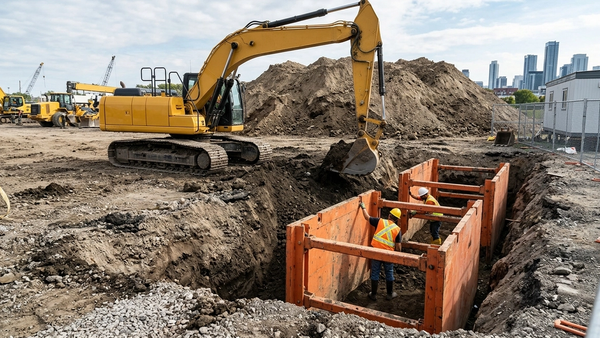
The U.S. Department of Labor has officially cited a Frankfort-based utility construction company for multiple safety violations regarding repeated exposure to dangerous trenching hazards. According to recent reports from OSHA, federal investigators observed employees working in unprotected excavations, which poses a severe risk of cave-ins. This is not the first time the company has faced scrutiny, as the citations involve willful and repeated categories, suggesting a systemic failure to implement required safety protocols. Trenching accidents are among the most lethal hazards in the construction industry, often leading to crushing injuries or fatalities within seconds. The company now faces significant proposed penalties as the government seeks to enforce strict compliance with excavation standards.
Affected by a Workers Compensation Issue?
Our specialized tool can help you estimate the potential worth of your case based on current laws and precedents.
Determining Fault in Repeated Workplace Safety Violations
In cases involving repeated safety citations, liability often extends beyond simple negligence into the realm of willful misconduct, which can significantly impact legal outcomes. Under the Occupational Safety and Health Act, employers are legally required to provide a workplace free from recognized hazards that are likely to cause death or serious physical harm. When a company fails to provide adequate cave-in protection systems, they may be held liable for any resulting injuries under workers' compensation laws or even third-party negligence claims if other entities are involved. Proving that an employer had prior knowledge of the hazard—as evidenced by repeated OSHA citations—is a powerful tool for establishing the degree of fault. Legal experts look for evidence of skipped safety inspections or a lack of protective equipment like trench boxes to build a case for victim recovery.
Protecting Your Rights After a Trenching Incident
If you or a loved one has been injured due to a workplace excavation failure, the first priority is securing immediate medical attention and documenting the scene. It is vital to report the incident to your employer and file a formal internal report, but you should also contact a legal professional to ensure your rights are protected against corporate retaliation. You can use our free case calculator to estimate the potential value of your claim based on your medical costs and lost wages. Victims should also review resources on OSHA violations and safety citations to understand how federal findings can bolster a private legal claim. Gathering witness statements and taking photographs of the trench site before conditions are altered is another critical step in preserving the integrity of your evidence.
Estimating Settlement Values for Construction Injuries
Compensation for trench-related injuries typically includes coverage for all medical expenses, vocational rehabilitation, and a portion of lost income through disability payments. Because these incidents often involve catastrophic harm, settlements may also factor in permanent partial disability or permanent total disability ratings. According to statistics from the Bureau of Labor Statistics, excavation and trenching remain top priorities for safety enforcement due to the high cost of associated medical care and long-term recovery. In states like Illinois, specific formulas determine how much an injured worker receives based on their average weekly wage. For more context on how these awards are structured, see our guide on Illinois body-part awards.
Excavation Standards and Illinois Workers' Rights
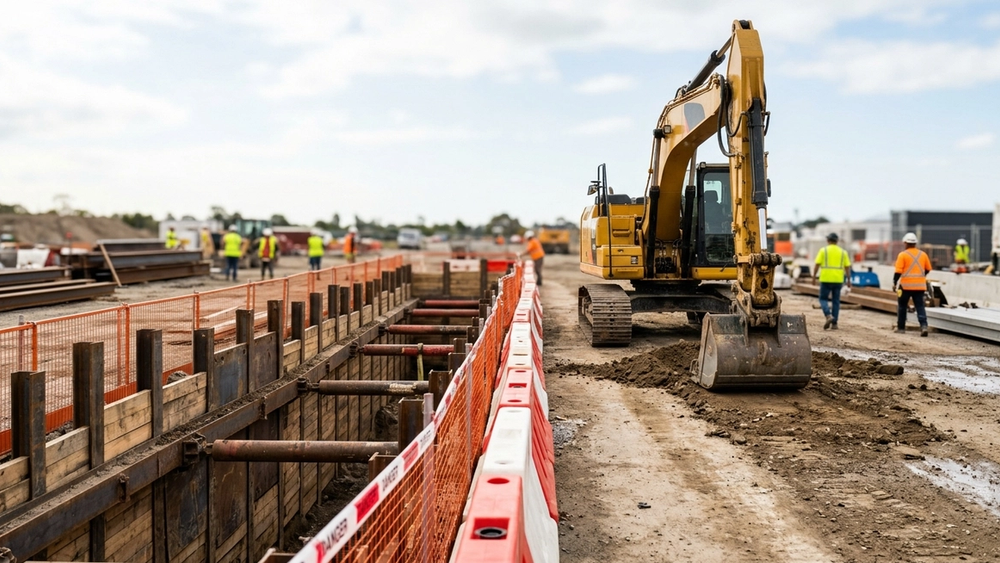
The legal framework governing trench safety is primarily defined by the federal excavation standards found in the Code of Federal Regulations. These regulations mandate specific protective measures for any trench deeper than five feet, including sloping, benching, or shielding. In Illinois, workers are further protected by the Illinois Workers' Compensation Act, which provides a no-fault system for recovering damages after a job-site accident. Failure to comply with these federal mandates can lead to enhanced penalties and may allow a family to pursue a wrongful death claim if the negligence resulted in a fatality. Understanding the statute of limitations is also essential, as missing the filing deadline can permanently bar an injured party from seeking justice.
Calculate Your Illinois Workers' Compensation Claim
Navigating the complexities of a workplace injury claim can be overwhelming, especially when dealing with large construction firms and their insurance carriers. Our team is dedicated to helping victims of employer negligence understand the full scope of their legal options and the potential value of their recovery. By leveraging our data-driven tools, you can gain clarity on the compensation you may be owed for your medical bills and ongoing care. Take the first step toward securing your future by trying our Illinois workers' compensation calculator today. Don't wait until legal deadlines pass to find out what your case is worth and how to hold negligent employers accountable.
Disclaimer: This blog post is for informational purposes only and does not constitute legal advice. For specific legal guidance regarding your situation, please consult with a qualified attorney.