
What gets hurt in a knee, and why the diagnosis sets the price
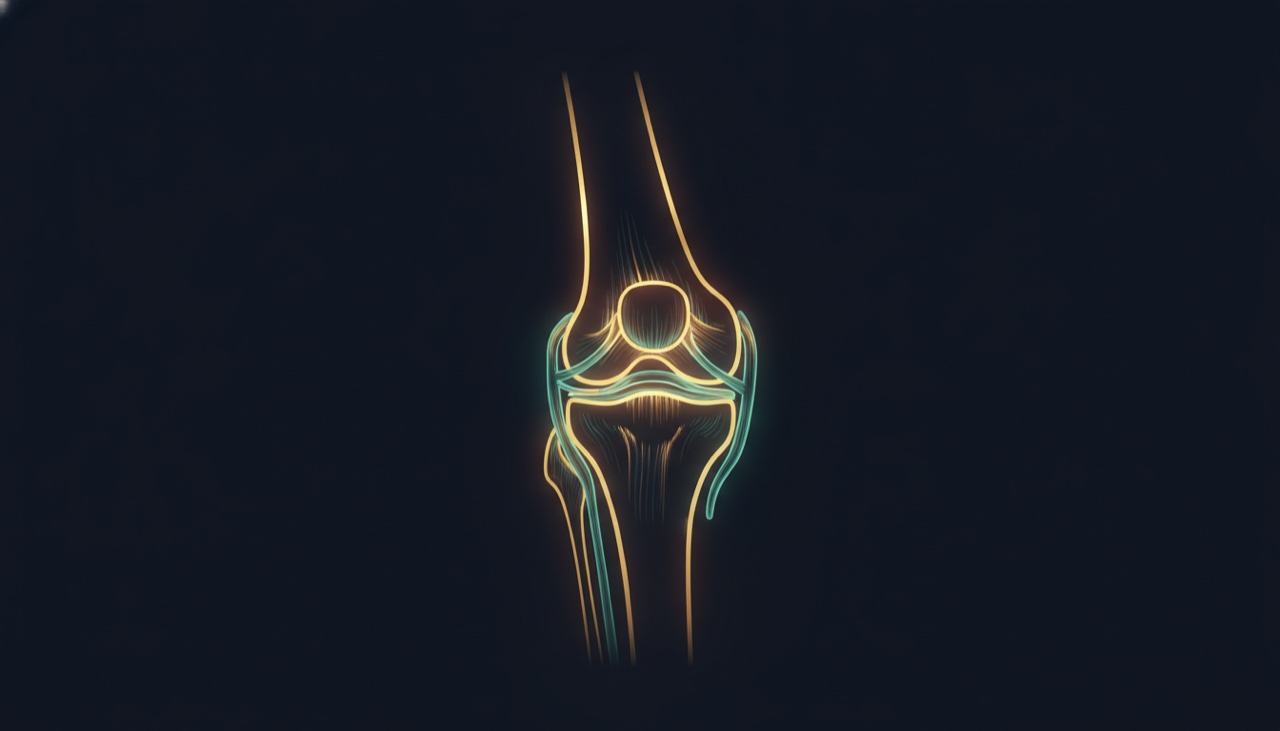
The knee is a hinge held together by soft tissue: two wedge-shaped cartilage pads (the menisci) cushion the joint, four ligaments (the ACL and PCL crossing inside it, the MCL and LCL along the sides) keep it from sliding or buckling, and the kneecap glides in a groove at the front. Meniscus tears come from twisting on a planted foot and, in older knees, from very little; the American Academy of Orthopaedic Surgeons notes that degenerative tissue can tear on an awkward twist getting up from a chair, which is the pre-existing-condition argument insurers make about older claimants.
Ligament sprains are graded: grade 1 stretches the ligament, grade 2 partially tears it and leaves it loose, grade 3 tears it through. Most ACL tears happen without a direct blow, on a cut, pivot, or awkward landing, and often travel with a meniscus tear and cartilage damage. The signature symptom is the knee giving way, and instability is what separates a ligament claim from a sprain claim.
Fractures around the knee change a claim’s class. A kneecap (patella) fracture from a fall onto the knee or a dashboard strike may be stable enough for a brace or displaced enough to need wires and screws. A tibial plateau fracture, where the top of the shin bone that forms the joint surface is driven in, often needs plates and months without full weight-bearing, with a documented risk of arthritis, stiffness, and instability. The Academy lists post-traumatic arthritis from fractures and ligament tears among the conditions that lead to total knee replacement.