Tragic Head-On Collision Claims Life in Houston
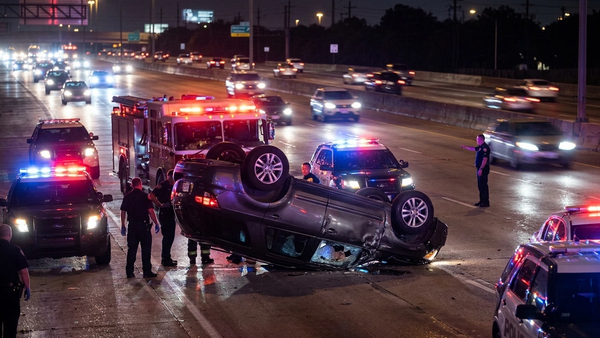
A devastating motor vehicle accident occurred in Houston recently when a suspected drunk driver crossed into oncoming traffic, resulting in a fatal head-on collision. According to recent reports, the crash occurred when one vehicle veered into the wrong lane, leaving the other driver with significant impact damage. Law enforcement officials at the scene indicated that alcohol impairment likely played a major role in the sequence of events leading up to the tragedy. While the suspected intoxicated driver was killed, the investigation continues to determine if other factors, such as road conditions or mechanical failure, contributed to the incident. Such events highlight the persistent dangers of impaired driving on Texas roadways.
Affected by a Motor Vehicle Issue?
Our specialized tool can help you estimate the potential worth of your case based on current laws and precedents.
Establishing Fault in Wrong-Way Accidents
In a head-on collision involving a suspected intoxicated driver, legal liability often centers on the concept of negligence. This legal theory suggests that if a driver was violating a safety law—such as driving while intoxicated—they may be automatically considered at fault for the resulting damages. Beyond the driver, Texas law may allow for a "dram shop" claim if a commercial establishment over-served the individual prior to the crash. Understanding drunk driver wrongful death punitive damages is essential for families seeking to hold all responsible parties accountable. Proving liability requires a thorough investigation into police reports, blood-alcohol content (BAC) levels, and eyewitness statements.
Protecting Your Rights After a Similar Incident
If you or a loved one are involved in a collision with an impaired driver, the first priority is securing medical attention and preserving the integrity of the scene. It is vital to obtain a copy of the official police report, as this document often contains the officer's initial findings regarding intoxication. You should also gather contact information from any witnesses who can testify to the erratic behavior of the at-fault vehicle. Consulting our Houston overpass crash liability guide can also provide context on how local courts handle complex accidents in this region. To understand the potential financial impact of your situation, you can use our Texas motor vehicle accident calculator to estimate your claim value.
What Victims Could Recover in Damages
Compensation in a motor vehicle accident involving a fatality typically includes both economic and non-economic damages to address the immense loss. Families can often recover costs for medical expenses incurred prior to death, funeral and burial costs, and the loss of future financial support the deceased would have provided. Non-economic damages cover the emotional toll, including pain and suffering, loss of companionship, and mental anguish experienced by survivors. According to data from the National Highway Traffic Safety Administration, impaired driving incidents often lead to higher settlements due to the egregious nature of the conduct. According to injury statistics, head-on collisions are among the most lethal types of crashes, which often influences jury awards.
Texas Statutes Governing Wrongful Death
Texas law provides a specific framework for survivors to seek justice through the Wrongful Death Act, which allows spouses, children, and parents of the deceased to file a claim. Additionally, survival actions may be filed to recover damages the deceased suffered between the time of the injury and the time of death. The Centers for Disease Control and Prevention notes that strict enforcement of BAC limits is a primary tool for reducing these fatalities, a principle mirrored in Texas criminal and civil codes. It is important to note the wrongful death statute of limitations which generally gives families two years from the date of death to take legal action. Failing to meet these deadlines can permanently bar your family from seeking the compensation they deserve.
Find Out What Your Case Is Worth
Dealing with the loss of a loved one or a catastrophic injury is an overwhelming experience that no one should face alone. Our team provides the resources necessary to understand the legal landscape and fight for the maximum recovery possible. By leveraging our technology, you can quickly determine how the specific details of your accident impact its potential worth. We encourage you to use our Texas wrongful death calculator to get a clearer picture of your legal options today. Taking this first step helps ensure your rights are protected against insurance companies while you focus on healing and recovery.
Disclaimer: This blog post is for informational purposes only and does not constitute legal advice. For specific legal guidance regarding your situation, please consult with a qualified attorney.