Understanding the Gravity of Drunk Driving Wrongful Death Claims
When a life is lost due to the reckless actions of a drunk driver, the legal path forward is vastly different from a typical auto accident. These cases aren't just about negligence; they are about a fundamental breach of social responsibility that the legal system treats with extreme severity. In a wrongful death context, families are left to navigate the intersection of immense grief and complex litigation.
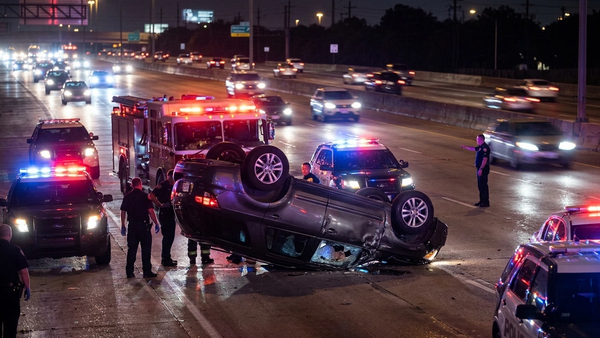
According to the NHTSA statistics on drunk driving, nearly 37 people die every day in the United States in alcohol-impaired vehicle crashes. Because these deaths are entirely preventable, the law allows for specific types of damages designed not only to compensate the survivors but to punish the offender. This post explores why juries are more inclined to award significant sums in these cases and how the presence of punitive damages changes the financial landscape for surviving family members.
Affected by a Wrongful Death Issue?
Our specialized tool can help you estimate the potential worth of your case based on current laws and precedents.
The Legal Definition of Wrongful Death in DUI Cases
In the eyes of the law, a wrongful death occurs when a person's life is taken due to the negligence, default, or wrongful act of another. In the context of a DUI (Driving Under the Influence) accident, the "wrongful act" is the operation of a motor vehicle while impaired by alcohol or drugs.
Who Has Standing to File?
Each state has its own rules regarding who can initiate a lawsuit. Generally, the right to file falls to the personal representative of the deceased person’s estate. The beneficiaries, however, are typically the immediate family members: spouses, children, and parents. In some instances, such as the wrongful death of a child, the calculation of damages focuses heavily on the loss of companionship and the emotional void left behind rather than lost future earnings.
The Standard of Proof
Unlike a criminal trial, which requires proof "beyond a reasonable doubt," a civil wrongful death claim requires proof by a "preponderance of the evidence." This means you must show it is more likely than not that the driver's impairment caused the fatal crash. However, when seeking punitive damages, many states raise this standard to "clear and convincing evidence," requiring a higher level of certainty regarding the driver’s reckless behavior.
Negligence vs. Gross Negligence: The DUI Distinction
Most car accidents involve simple negligence—a momentary lapse in judgment, such as failing to signal or rolling through a stop sign. Drunk driving, however, is frequently categorized as gross negligence or willful and wanton misconduct.
What is Gross Negligence?
Gross negligence is a conscious and voluntary disregard of the need to use reasonable care, which is likely to cause foreseeable grave injury or harm to persons, property, or both. By choosing to drink and then operate a heavy vehicle, a driver is demonstrating a level of recklessness that exceeds ordinary carelessness.
Establishing Liability
To secure a successful verdict, your legal team must establish the "four pillars" of negligence: duty, breach, causation, and damages. In DUI cases, the "breach" of duty is often established through negligence per se. This legal doctrine suggests that because the driver broke a law intended to protect the public (DUI laws), they are automatically considered negligent. This significantly simplifies the path to liability, allowing the jury to focus on the extent of the damages rather than whether the driver was at fault.
Punitive Damages: Punishment and Deterrence
Perhaps the most significant factor in DUI wrongful death case values is the potential for punitive damages. Unlike compensatory damages, which are meant to "make the plaintiff whole," punitive damages are designed to punish the defendant and deter others from engaging in similar behavior.
The Requirements for Punitive Awards
According to the Cornell Law definition of punitive damages, these awards are only appropriate when the defendant's conduct is especially egregious. In many states, the act of driving with a Blood Alcohol Content (BAC) significantly over the legal limit—often 0.15 or higher—is sufficient to trigger a punitive damage instruction to the jury.
Impact on Settlement Values
Punitive damages can double or triple the total value of a case. Because insurance companies are often not required to pay for punitive damages (depending on the state and the specific policy language), the threat of a massive punitive verdict can force defendants and their insurers to settle for much higher amounts during negotiations to avoid the risk of an uncapped jury award.
Why Juries Award More in Drunk Driving Cases
There is a psychological element to jury trials that cannot be ignored. Juries are composed of people from the community who view drunk driving as a personal threat to their own families. This "moral outrage" often translates into higher numbers in the jury room.
The Anger Factor
In a typical accident, a jury may feel sympathy for both sides. In a DUI case, that sympathy for the defendant often evaporates. Juries want to send a clear message that the community will not tolerate impaired driving. This leads to higher valuations for non-economic damages, such as pain and suffering, because the jury wants the defendant (and by extension, their insurance carrier) to feel the weight of the loss.
The "Send a Message" Verdict
Defense attorneys often try to settle DUI cases before they reach a jury because they know that "nuclear verdicts"—awards that far exceed the expected value of the claim—are more common when alcohol is involved. A jury that hears evidence of a driver drinking at multiple bars before hitting a pedestrian is likely to award a sum that reflects their collective disgust with the behavior.
Compensatory Damages: Economic and Non-Economic
While punitive damages get the headlines, compensatory damages form the foundation of any wrongful death claim. These are split into two categories: economic (tangible financial losses) and non-economic (intangible human losses).
Economic Losses
- Medical Expenses: Any costs incurred between the time of the accident and the time of death (e.g., emergency room fees, surgery, life support).
- Lost Earnings: The total amount of money the deceased person would have earned over their remaining working life. This is calculated using expert testimony from economists who factor in inflation, career trajectory, and retirement benefits.
- Funeral and Burial Costs: The reasonable costs associated with laying the loved one to rest.
Non-Economic Losses
- Pain and Suffering: Compensation for the physical and mental anguish the deceased suffered before they passed.
- Loss of Consortium: Compensation for the surviving spouse's loss of love, companionship, and intimacy. Learn more about loss of consortium in spousal claims.
- Loss of Guidance: The value of the advice, training, and upbringing that a deceased parent would have provided to their children.
The Parallel Tracks: Criminal Trials vs. Civil Lawsuits
It is a common misconception that you must wait for the criminal case to end before filing a civil suit. In reality, these two processes often run simultaneously, though they serve very different purposes.
Civil Recovery During Criminal Proceedings
The criminal case is handled by the state and focuses on jail time or fines. The civil case is handled by your personal lawyer and focuses on financial restitution. You can actually sue for wrongful death with a pending criminal case, and in many ways, the evidence gathered by the police for the criminal trial—such as toxicology reports and dashcam footage—can be used to bolster your civil claim.
The Impact of a Guilty Plea
If the defendant pleads guilty or is convicted in criminal court, it essentially confirms their liability in the civil case. Under the doctrine of collateral estoppel, the defendant may be barred from denying their negligence in the civil suit if they have already been found guilty of the same conduct in a criminal setting.
Dram Shop Liability: Holding Bars Accountable
In some drunk driving cases, the driver isn't the only responsible party. "Dram Shop" laws allow victims to hold businesses—like bars, restaurants, or liquor stores—accountable if they over-served an obviously intoxicated person or served alcohol to a minor who then caused a fatal crash.
Proving Dram Shop Liability
Proving a dram shop claim is more difficult than a standard DUI claim. You must typically show that the establishment continued to serve the patron despite visible signs of intoxication, such as slurred speech, lack of balance, or aggressive behavior. Expert witnesses, such as toxicology specialists and "responsible beverage service" consultants, are often used to explain how alcohol affects the body and what the server should have noticed.
Social Host Liability
A few states also recognize "social host liability," which holds individuals accountable if they provide alcohol to guests at a private party. This is most common in cases involving underage drinking. If a parent allows a teenager to host a drinking party and one of the guests causes a fatal accident, the parents could be held liable for the resulting wrongful death.
Survival Actions vs. Wrongful Death Claims
While often used interchangeably, "survival actions" and "wrongful death" are distinct legal concepts that provide different types of compensation.
Survival Actions
A survival action is essentially the personal injury claim the deceased person would have had if they had lived. It "survives" their death and is brought by the estate. The primary focus of a survival action is the conscious pain and suffering the victim experienced from the moment of the crash until the moment they passed away. If death was instantaneous, survival damages may be minimal. However, if the victim survived for minutes or hours in distress, these damages can be substantial.
Wrongful Death
The wrongful death claim focuses on the losses suffered by the survivors. It addresses the hole left in the family’s life, including the loss of the victim’s income and the loss of their emotional support. Combining both types of claims ensures that every aspect of the tragedy is accounted for in the final settlement. You can estimate the potential impact of these factors by using a wrongful death calculator.
Collecting Evidence in DUI Fatality Cases
Strength in a DUI case comes from the quality of the evidence. Because these cases often involve high stakes, the defense will scrutinize every detail to minimize their payout.
Critical Evidence Types
- Police Reports and BAC Results: The most direct evidence of impairment.
- Field Sobriety Test Footage: Bodycam or dashcam video showing the driver's physical state immediately following the crash.
- Receipts and Surveillance Video: Proving where the driver was drinking before the accident and how much they consumed.
- Witness Statements: Accounts from other drivers or bystanders regarding the defendant's erratic driving behavior.
- Electronic Data Recorders (EDRs): The "black box" of the vehicle, which records speed, braking, and steering inputs in the seconds leading up to the collision.
Insurance Policy Limits and the Reality of Recovery
A tragic reality of many DUI cases is that the damages often exceed the driver's insurance policy limits. While a jury might award $10 million, if the driver only has a $50,000 policy and no personal assets, collecting the full amount can be challenging.
Identifying Additional Coverage
Skilled attorneys look for other "pots" of money to satisfy a judgment. This includes:
- Umbrella Policies: Additional liability insurance held by the driver.
- Employer Liability: If the driver was operating a company vehicle or was on the clock, the employer’s much larger commercial policy may apply.
- Uninsured/Underinsured Motorist (UM/UIM) Coverage: Your own insurance policy may provide benefits if the at-fault driver’s insurance is insufficient. According to the NSC Injury Facts on motor vehicle crashes, many impaired drivers are also chronically underinsured, making UM/UIM coverage a vital safety net.
Asset Searches
In cases where punitive damages are likely, an attorney may perform a comprehensive asset search to determine if the defendant has real estate, investments, or luxury goods that can be seized to satisfy a judgment that exceeds insurance limits.
State-Specific Variations and Damage Caps
The value of a DUI wrongful death claim varies significantly depending on where the accident occurred. Some states have implemented "tort reform" laws that place a ceiling on how much a person can recover for non-economic or punitive damages.
Examples of Legislative Impacts
- States with No Caps: In states like Florida or New York, there are generally no statutory caps on compensatory damages in wrongful death cases, leading to some of the highest verdicts in the country.
- States with Punitive Caps: Many states limit punitive damages to a specific multiplier of the compensatory damages (e.g., three times the amount of actual losses) or a flat dollar amount like $250,000.
- Comparative Fault: Most states follow a comparative negligence system. If the deceased person was found to be partially at fault for the accident (even if the other driver was drunk), the total award will be reduced by their percentage of fault.
The Importance of Professional Case Valuation
Given the emotional and legal complexities of a DUI wrongful death case, attempting to settle with an insurance adjuster on your own is risky. Adjusters often use the period of intense grief to offer "lowball" settlements that do not account for the long-term loss of income or the potential for punitive damages.
Using Experts for Accuracy
Attorneys work with a team of experts to ensure the case is valued correctly:
- Accident Reconstructionists: To prove exactly how the crash happened and that the drunk driver was the primary cause.
- Life Care Planners: To testify about the financial needs of surviving dependents.
- Grief Experts: To help the jury understand the psychological impact of the sudden, violent loss.
Taking the Next Step Toward Justice
No amount of money can replace a loved one lost to a drunk driver, but a successful legal claim can provide the financial security your family needs to move forward and hold the responsible parties accountable. The combination of gross negligence, punitive damages, and jury empathy makes these cases some of the most high-value claims in the personal injury world.
If you have lost a family member in an accident involving an impaired driver, it is critical to understand the potential value of your claim. Factors such as the driver's BAC, the location of the crash, and the surviving family's financial needs all play a role in the final number.
Find out what your case could be worth today. Use our wrongful death case value tool to get an estimate based on your specific circumstances and take the first step toward the justice your loved one deserves.
Disclaimer: This blog post is for informational purposes only and does not constitute legal advice. For specific legal guidance regarding your situation, please consult with a qualified attorney.