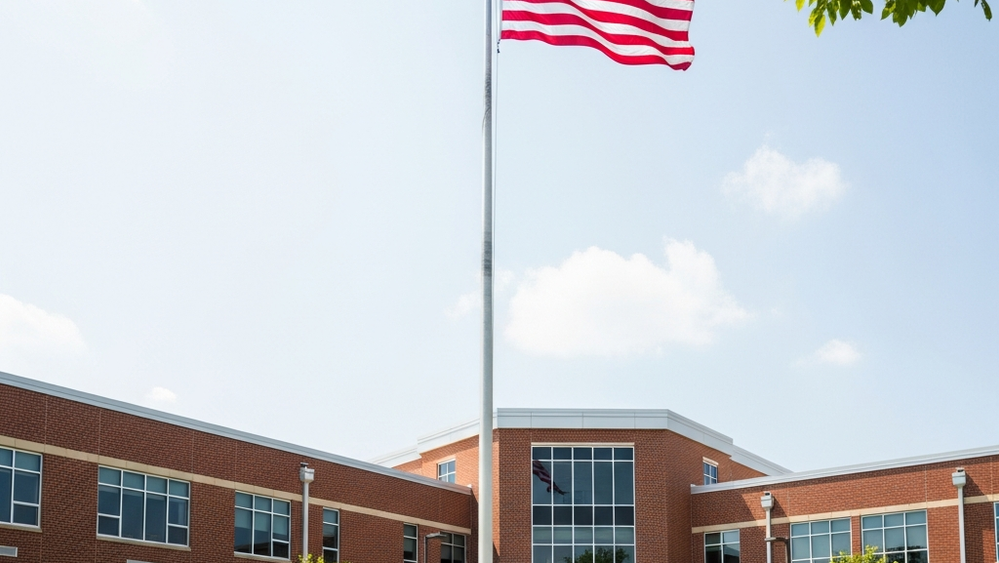
New Mexico School District Facing Second Federal Court Action
The U.S. Equal Employment Opportunity Commission (EEOC) has officially filed a second subpoena enforcement action against Gallup-McKinley County Schools. This move comes after the district repeatedly refused to comply with an investigation into potential workplace violations, according to recent reports. The EEOC is tasked with investigating claims of discrimination and harassment, but their efforts are currently stalled by the district's lack of cooperation. This is not the first time a major entity has faced such scrutiny; similar EEOC subpoena actions demonstrate the agency's commitment to obtaining necessary evidence for workers. When employers resist federal oversight, it often signals a larger systemic issue within the organization that warrants further legal examination from civil rights advocates.
Affected by a Civil Rights Issue?
Our specialized tool can help you estimate the potential worth of your case based on current laws and precedents.
Identifying Employer Liability in Investigation Refusals
In the eyes of federal law, an employer has a legal obligation to cooperate with EEOC investigations when a valid subpoena is issued. Failure to provide requested documentation or personnel records can lead to contempt of court and significant legal penalties for the organization. This case highlights how administrative resistance can potentially hide evidence of discrimination, retaliation, or other civil rights violations. Attorneys often look for patterns of non-compliance to build a stronger case for the victims involved in the underlying dispute. If an employer is found to be willfully obstructing an investigation, it may increase the likelihood of a favorable outcome for the complaining employees during a wrongful termination or discrimination lawsuit.
Protecting Your Workplace Rights During an Investigation
If you find yourself in a situation where your employer is being investigated by a federal agency, it is crucial to document every interaction and keep records of all relevant communications. Employees should continue to report any instances of bias or harassment through official channels, as these records serve as vital evidence in future legal proceedings. You should also consult with a professional to understand how an ongoing investigation might affect your specific standing or any potential claims you might have. You can use our free case calculator to estimate the potential value of your legal matter while federal agencies do their work. Knowing how EEOC complaints strengthen cases can help you navigate this complex process with more confidence and professional clarity.
Potential Damages in Civil Rights and Employment Claims
Settlement values in cases involving EEOC enforcement vary widely based on the severity of the underlying discrimination and the harm suffered by the employees. Victims may be eligible for back pay, front pay, compensatory damages for emotional distress, and even punitive damages if the employer’s conduct was especially egregious. Federal courts often look at the duration of the violation and the degree of intent when determining final award amounts for plaintiffs. When agencies like the EEOC succeed in subpoena enforcement actions, it often opens the door for a more accurate valuation of the total damages owed to affected workers. Understanding the full scope of available recovery is essential for anyone seeking justice against a large institution or school district.
Navigating the Civil Rights Act and Federal Subpoena Powers
The legal foundation for this action lies in Title VII of the Civil Rights Act of 1964, which grants the EEOC broad authority to investigate and litigate workplace discrimination. Under federal law, the commission has the power to issue subpoenas to obtain testimony or documents relevant to a charge of discrimination as defined in the Code of Federal Regulations. In New Mexico, state-specific protections may also apply, but federal enforcement remains the primary mechanism for addressing school district non-compliance on this scale. It is important to note that the statute of limitations for filing a charge with the EEOC is generally 180 days, though this can be extended depending on state laws. Employers who fail to respect this framework often face escalating pressure from the U.S. Department of Justice or other federal oversight bodies.
Find Out What Your New Mexico Civil Rights Case Is Worth
If you have been impacted by workplace discrimination or are part of an organization currently under investigation, now is the time to evaluate your legal options. Our specialized team is dedicated to helping individuals hold employers accountable, whether they are private companies or public school districts. Navigating federal court actions and administrative subpoenas requires an understanding of complex civil rights laws and damage calculations. We encourage you to take the first step toward recovery by using our New Mexico civil rights calculator to see what your claim might be worth. Do not let administrative delays or employer non-compliance prevent you from seeking the compensation and justice you deserve for your specific situation.
Disclaimer: This blog post is for informational purposes only and does not constitute legal advice. For specific legal guidance regarding your situation, please consult with a qualified attorney.