Horrific Discovery of Mass Graves at Juvenile Detention Facilities
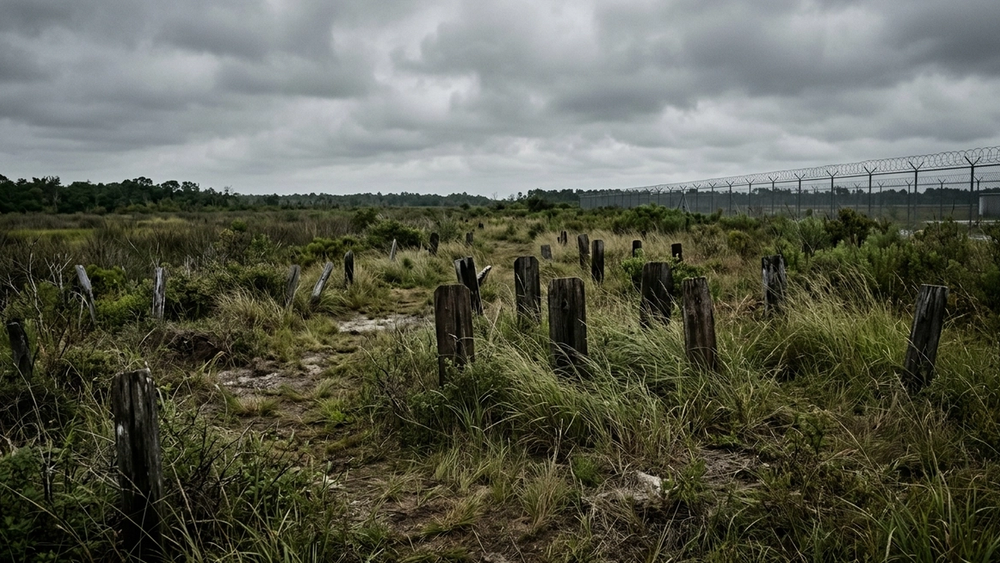
A massive nationwide investigation has uncovered a dark chapter in the American justice system, revealing the graves of more than 1,000 children buried at juvenile detention centers across twenty-nine states. The scale of this tragedy is immense, with one Maryland gravesite alone containing the remains of 230 Black boys who died while under state care. According to recent reports, these findings have sparked national outrage and a demand for a formal inquiry into how these children were treated and why their deaths were often unrecorded or hidden. Families of those lost are now searching for answers as the legal community prepares to address these systemic failures. This discovery highlights a profound lack of oversight and a potential pattern of abuse within facilities designed to rehabilitate rather than endanger young lives.
Affected by a Civil Rights Issue?
Our specialized tool can help you estimate the potential worth of your case based on current laws and precedents.
Establishing State and Facility Liability for Decades of Neglect
Legal liability in cases involving the death of minors in government custody often falls on both the state agencies and the private contractors managing these facilities. To secure a recovery, families must demonstrate that the facility breached its duty of care through negligence, physical abuse, or medical neglect. These institutions are constitutionally required to provide a safe environment, and the discovery of mass graves suggests a catastrophic failure to meet these basic standards. Legal theories may include vicarious liability for the actions of guards or staff, as well as negligent supervision by state regulators who failed to intervene. Establishing a clear chain of command and identifying the specific failures that led to these deaths will be critical for any successful litigation.
Immediate Steps for Families Seeking Accountability and Answers
If you believe a family member was a victim of abuse or died while held in a juvenile facility, the first step is to preserve any existing records or correspondence from that time. Seeking professional legal guidance is essential to navigate the complexities of suing a government entity or a large private corporation. Families should also review resources on prisoner rights and medical neglect claims to understand how standards of care apply to those in custody. Documentation such as death certificates, facility logs, and witness statements will serve as the backbone of your case. To begin understanding the potential financial scope of your recovery, you can use our free case calculator to estimate the value of a civil rights claim.
Calculating Settlement Values for Long-Term Civil Rights Abuses
Compensation in wrongful death and civil rights cases is determined by various factors, including the age of the victim and the severity of the misconduct involved. Families may be entitled to damages for the loss of companionship, emotional distress, and, in some cases, punitive damages intended to punish the facility for gross negligence. It is helpful to understand how wrongful death legal options work when evaluating a claim involving a lost child. Settlement ranges for these types of cases can vary significantly depending on the jurisdiction and the evidence of systemic abuse. Factors such as the duration of the child's suffering and the facility's history of safety violations will heavily influence the final valuation of the legal claim.
Federal Civil Rights Protections and the Power of Section 1983
Victims of detention center abuse are often protected under the Eighth and Fourteenth Amendments of the U.S. Constitution, which prohibit cruel and unusual punishment. Families can pursue justice through Section 1983 of the Civil Rights Act, a powerful tool that allows individuals to sue government officials for constitutional violations. Additionally, the Civil Rights Division of the Department of Justice may investigate facilities with a history of pervasive rights violations. Understanding the legal framework of wrongful death is also vital, as each state has specific statutes of limitations that dictate how long a family has to file a lawsuit after a discovery like this is made. These laws ensure that government entities are held to a standard of transparency and accountability for the citizens in their care.
Determine the Value of Your Potential Legal Recovery Today
Taking action against a state-run or private detention center can feel overwhelming, but you do not have to face the legal system alone. Our team is dedicated to helping families find the resources they need to seek justice for their lost loved ones and ensure these tragedies are never repeated. If your family was affected by the recent discoveries in Maryland or other states, our specialized tools can help you understand your options. Try our Maryland wrongful death calculator or use our general evaluator to start your journey toward accountability. We are committed to providing you with the information and support necessary to hold negligent institutions responsible for their actions.
Disclaimer: This blog post is for informational purposes only and does not constitute legal advice. For specific legal guidance regarding your situation, please consult with a qualified attorney.