SharkNinja Faces Lawsuit Over Detaching Blender Blades
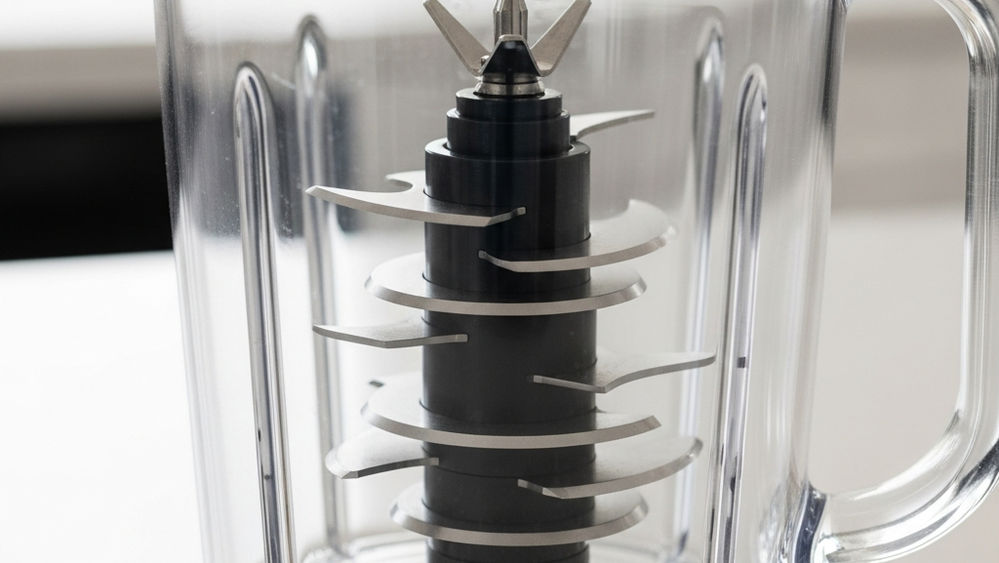
A recent product liability lawsuit has been filed against SharkNinja, alleging that a consumer suffered a severe laceration when the blender's blades detached unexpectedly during normal operation. According to recent reports, the plaintiff was using the device as intended when the internal mechanism failed, sending sharp components into contact with her hand. This incident highlights ongoing concerns regarding the structural integrity of high-powered kitchen appliances and the potential for life-altering injuries when consumer goods fail. Sharp-edged products require rigorous testing, yet this case suggests a possible manufacturing or design defect that puts thousands of households at risk. Victims of such incidents often face high medical costs and significant emotional trauma following unexpected appliance failures that occur in the safety of their own homes.
Affected by a Product Liability Issue?
Our specialized tool can help you estimate the potential worth of your case based on current laws and precedents.
Determining Liability in Defective Appliance Claims
In cases involving kitchen gadgets, manufacturers like SharkNinja are held to a standard of strict liability if a product is found to be unreasonably dangerous to the end user. Legal theories usually focus on design defects, manufacturing errors, or a failure to warn consumers about known risks associated with the blade assembly. If the attachment mechanism was poorly engineered to withstand the torque of the high-speed motor, the manufacturer may be responsible for all resulting damages. Furthermore, distributors and retailers could potentially be named as defendants depending on their role in the supply chain and their knowledge of the defect. Understanding who to sue in a product liability case is essential for building a strong legal argument that ensures all negligent parties are held accountable for their lapses in safety.
Protecting Your Rights After a Kitchen Injury
If you are injured by a defective device, the most critical step is seeking immediate medical attention and documenting every aspect of your treatment. Retain the defective appliance exactly as it was at the time of the incident, as this serves as the primary piece of physical evidence in a future legal claim. You should also take high-quality photographs of the injury and the malfunctioning components before contacting the manufacturer or attempting to repair the item yourself. To understand the potential worth of your legal claim, you should use our free product liability calculator to assess your damages accurately. It is also wise to review a guide on how to document a defective product claim to ensure you are preserving the necessary proof for a successful financial recovery.
Understanding Potential Damages for Severe Lacerations
Compensation in product liability cases is designed to make the victim whole by covering both economic and non-economic losses sustained due to the accident. Victims can typically recover the cost of emergency room visits, specialist consultations, and any necessary physical therapy or rehabilitative surgeries required to restore function. Beyond medical bills, a claim may include lost wages if the injury prevented the victim from working, as well as significant awards for pain, suffering, and permanent scarring or disfigurement. In rare instances where a company's conduct is found to be particularly egregious or willfully negligent, a jury might award punitive damages to discourage similar behavior in the future. Total recovery amounts vary widely based on the severity of the laceration and the long-term impact on the victim's quality of life.
Federal Safety Standards and Product Liability Laws
Consumer products in the United States are governed by safety regulations overseen by federal agencies like the Consumer Product Safety Commission. Under the legal doctrine of strict liability, a plaintiff does not necessarily have to prove the manufacturer was intentionally careless, only that the product was defective and caused an injury during foreseeable use. Many states have specific statutes of limitations for filing these claims, which is why it is important to monitor the recalled product status of your household appliances regularly. Understanding these legal standards for products liability is crucial for navigating the complexities of the civil court system and meeting all procedural deadlines. Legal experts often look for patterns of similar failures to establish whether a manufacturer ignored safety data prior to a public incident.
Find Out What Your Blender Injury Case Is Worth
If you or a loved one has suffered an injury due to a malfunctioning SharkNinja blender or any other defective household appliance, you do not have to navigate the legal process alone. Our team provides the resources necessary to help you determine if you have a valid case and what that case might be worth in the current legal landscape. By providing details about your medical expenses, lost income, and the nature of the mechanical failure, you can receive an immediate estimate of your potential settlement value. Take the first step toward securing the justice you deserve by using our product liability case evaluator today. Whether your injury occurred at home or in a professional setting, knowing your rights is the key to holding multi-billion dollar corporations accountable for consumer safety.
Disclaimer: This blog post is for informational purposes only and does not constitute legal advice. For specific legal guidance regarding your situation, please consult with a qualified attorney.