Understanding the Stakes of Product Liability Documentation
When a consumer product fails and causes injury, the path to justice is paved with evidence. In the legal world, a product liability claim is only as strong as the documentation supporting it. Unlike simple negligence cases, product liability often involves complex engineering, manufacturing standards, and corporate internal communications. To achieve maximum recovery, a plaintiff must prove not only that they were injured but that a specific defect in the product was the direct cause of that injury. This requires a meticulous approach to gathering, organizing, and preserving evidence from the very moment the incident occurs.
Maximizing the product liability settlements compensation guide depends heavily on how well you can recreate the incident for a jury or an insurance adjuster. Documentation serves as the foundation for your claim, providing the objective proof needed to counter the high-powered legal teams often employed by manufacturers. Whether the issue is a pharmaceutical drug, a kitchen appliance, or a vehicle component, the principles of documentation remain the same: be thorough, be consistent, and be immediate.
Affected by a Product Liability Issue?
Our specialized tool can help you estimate the potential worth of your case based on current laws and precedents.
The Three Types of Product Defects and What to Prove
Before you can document a claim effectively, you must understand what legal theory you are pursuing. Product liability generally falls into three categories. Knowing which one applies to your case will dictate what kind of evidence is most critical.
1. Design Defects
A design defect occurs when a product is inherently dangerous even if it is manufactured perfectly according to specifications. To document this, you must show that the design itself was flawed. This often involves looking at "feasible alternative designs." For example, in the Pam cooking spray popcorn lung verdict, the focus was on how the design of the canister could lead to dangerous venting of gases. Documentation for design defects usually involves expert analysis of blueprints, CAD drawings, and industry safety standards.
2. Manufacturing Defects
These occur when a product deviates from its intended design due to an error in the production process. A single unit might be dangerous while the rest of the product line is safe. Documenting this requires a comparison between the defective unit you own and a "perfect" version of the product. You need to prove that the flaw happened during the assembly or manufacturing stage before it reached your hands.
3. Failure to Warn (Marketing Defects)
A product might be designed and built correctly but lack the necessary instructions or warnings to make it safe for use. If a manufacturer knows of a potential risk and fails to inform the consumer, they are liable. Documentation here focuses on the packaging, the instruction manual, and any warnings (or lack thereof) printed on the product itself. If you were injured because you didn't know a specific risk existed, the absence of a warning label is your primary piece of evidence.
Immediate Steps: The Critical 24 Hours After Injury
The hours following an injury are the most important for your case value. The first and most vital rule of product liability is: Do not throw the product away. Even if it is broken, charred, or seemingly useless, that item is the "silent witness" to your injury. If you lose the product, you may lose your case entirely due to a legal concept called "spoliation of evidence."
Preserve the Product and Packaging
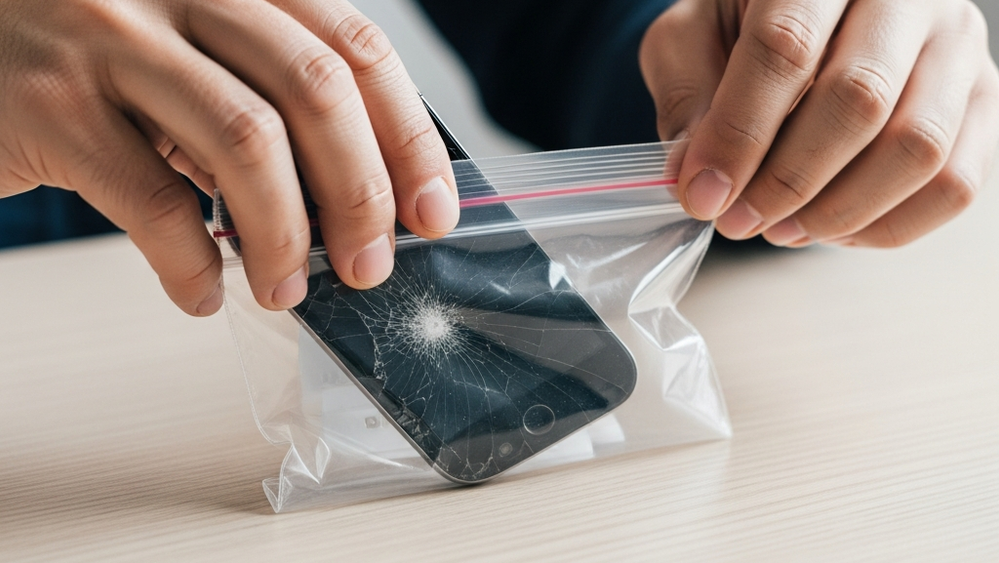
Place the product in a safe, dry location where it will not be disturbed. If the product is a liquid or a food item, like the Amazon Stericare saline infection, try to seal it and keep it in a temperature-controlled environment. Keep every piece of the packaging, including the box, the plastic wrap, and the instruction manual. These items often contain batch numbers or date codes that are essential for identifying where and when the product was made.
Take Comprehensive Photos and Videos
Visual evidence is incredibly persuasive. Use your smartphone to take high-resolution photos of:
- The product from every angle.
- Any visible defects or broken parts.
- The scene of the accident before anything is moved.
- Your injuries immediately after they occur.
- Close-ups of serial numbers, model numbers, and warning labels.
Establishing the Chain of Custody
In a legal sense, "chain of custody" refers to the chronological documentation or paper trail that records the sequence of custody, control, transfer, and analysis of physical evidence. If you want to maximize your recovery, you must be able to prove that the product has not been tampered with since the accident. According to the Cornell Law School Legal Information Institute, maintaining this chain is vital for the evidence to be admissible in court.
Documenting Possession
Keep a log of who has had access to the product. If you hand the product over to an expert for testing, you need a written receipt or a "Transfer of Evidence" form. Never send the product back to the manufacturer for a refund or "evaluation" without consulting an attorney first. Manufacturers have a vested interest in "losing" the evidence or performing destructive testing that makes it impossible for your own experts to examine the flaw.
The Role of Medical Documentation in Linking Causation
You cannot recover damages if you cannot prove the product caused your specific injury. This is known as "causation." Medical records are the bridge between the defect and your physical condition. If you are dealing with complex medical issues like those seen in the Medtronic Azure pacemaker removal lawsuit, the surgical notes and pathology reports are the most important documents you possess.
Seeking Immediate Treatment
Any delay in seeking medical care will be used by the defense to argue that your injuries were either not serious or were caused by something else. When you speak to a doctor, be specific about what happened. Mention the product by name. Ensure the doctor notes in your chart that the injury was sustained while using the specific device or item. This creates a contemporaneous record that is very difficult for insurance companies to dispute later.
Tracking the Long-Term Impact
Recovery is not just about the initial ER visit. To maximize value, you must document the ongoing nature of the injury. Keep a "pain journal" where you record your daily pain levels, limitations on your activities, and emotional distress. This serves as powerful evidence for non-economic damages, often referred to as pain and suffering.
Proof of Purchase and Economic Loss
To sue a manufacturer, you generally need to show that you were the rightful consumer or a foreseeable user of the product. This requires proof of purchase. Even if the product was a gift, you should try to track down the original receipt.
- Document Type: Physical Receipt, Importance for Claim Value: Confirms purchase date and retailer, Where to Find It: Wallets, files, or store records
- Document Type: Credit Card Statement, Importance for Claim Value: Provides a digital trail of the transaction, Where to Find It: Online banking portals
- Document Type: Warranty Registration, Importance for Claim Value: Proves you are the owner and registered user, Where to Find It: Manufacturer's website/email
- Document Type: Online Order History, Importance for Claim Value: Vital for e-commerce cases (Amazon, eBay), Where to Find It: Account purchase history
Beyond the purchase price, you must document all economic losses resulting from the injury. This includes lost wages, which should be documented with pay stubs and a letter from your employer. If you had to hire help for household chores or transportation because of your injury, keep those invoices as well. Every dollar spent as a result of the defective product is a dollar you can potentially recover.
The Impact of Product Recalls on Your Documentation
A product recall can be a double-edged sword for a legal claim. While a recall can help prove that a product was dangerous, it does not automatically mean you win your case. You still must prove that the specific defect mentioned in the recall was what caused your injury. For more details on this, see our guide on how product recalls affect case value.
Monitoring Regulatory Databases
Check the Consumer Product Safety Commission (CPSC) or the National Highway Traffic Safety Administration (NHTSA) for official recall notices. If your product is listed, print the recall notice and keep it with your file. The recall notice often contains technical descriptions of the defect which can provide a roadmap for your attorney's investigation. However, be aware that if a recall was issued before your injury and you received notice but continued to use the product, the manufacturer may argue that you assumed the risk.
Gathering Third-Party Statements and Incident Reports
Your own word is rarely enough to secure a maximum settlement. You need objective third-party verification. If the product failed in a public place, such as a gym or a store, there may be an incident report filed by the management. Request a copy of this report immediately.
Witness Statements
If anyone saw the accident happen, get their contact information right away. If possible, record a brief video or audio statement from them while their memory is fresh. Ask them to describe what they saw the product do—did it spark? Did it collapse without warning? Did a part fly off? These eyewitness accounts are invaluable during the discovery phase of a lawsuit.
Documenting Non-Economic Damages for Maximum Recovery
Economic damages (bills and receipts) are the easiest to calculate, but non-economic damages often represent the largest portion of a high-value settlement. These include pain and suffering, emotional distress, and loss of consortium (the impact on your relationship with your spouse). Because these are subjective, they require creative and thorough documentation.
Using a Daily Log
A daily log should track more than just physical pain. It should document missed life events. Did you miss your child’s graduation because of your injury? Were you unable to attend a planned vacation? These specific examples of "loss of enjoyment of life" turn abstract legal concepts into relatable human stories that resonate with juries. Much like proving medical negligence settlement evidence, the more specific the detail, the higher the perceived value of the claim.
State-Specific Variations: Statutes of Repose and Limitations
Documentation must be gathered quickly because of strict legal deadlines. Every state has a "statute of limitations," which is the window of time you have to file a lawsuit after an injury (often 2 to 4 years). However, product liability cases also involve something called a "statute of repose."
A statute of repose is a hard deadline that starts from the date the product was first sold, regardless of when you were injured. For example, if a state has a 10-year statute of repose and you are injured by a 12-year-old product, you may be barred from suing even if the product was clearly defective. Documenting the original "date of first sale" or "date of manufacture" is essential to determine if you even have a viable claim.
The Role of Expert Witnesses in Strengthening Evidence
In nearly every high-value product liability case, an expert witness is required. These are professionals with specialized knowledge in engineering, toxicology, or human factors. Your documentation provides the raw material they need to build their expert opinion.
Why Experts Matter
An expert can take the photos and physical product you preserved and perform a "failure analysis." They can explain why the metal sheared or why the circuit board overheated. Without your initial documentation, the expert has nothing to work with. If you preserved the product correctly, the expert can use advanced techniques like X-ray imaging or scanning electron microscopy to identify microscopic manufacturing flaws that would be invisible to the eye.
Common Pitfalls: What Can Ruin Your Claim?
Even with a clear injury and a faulty product, certain mistakes can drastically reduce your case value or lead to a total dismissal. Knowing what not to do is just as important as knowing what to document.
- Repairing the Product: If you try to fix the product after it breaks, you have altered the evidence. This makes it impossible to prove what the condition of the product was at the time of the accident.
- Social Media Posts: Never post about your accident or your injuries on social media. Insurance adjusters and defense attorneys routinely monitor these platforms. A photo of you smiling at a birthday party can be used to argue that your "pain and suffering" is exaggerated, even if you were in pain the entire time.
- Inconsistent Statements: Ensure that the story you tell your doctor, your insurance company, and your lawyer is identical. Discrepancies in how the accident happened are the quickest way for a defense team to destroy your credibility.
- Cleaning the Evidence: Do not clean blood, soot, or debris off the product. These substances can actually help experts determine the sequence of events during the failure.
Comparative Negligence: Documenting Your Own Actions
In many states, the manufacturer will try to shift the blame to you, claiming you misused the product. This is known as "comparative negligence." To maximize your recovery, you must document that you were using the product as intended.
Proving Proper Use
If the product requires maintenance, keep those maintenance records. If you were using safety equipment (like goggles or gloves) at the time, preserve that equipment as well. Documenting your own responsible behavior makes it much harder for the manufacturer to argue that you were at fault for your own injuries. If you are found even partially at fault, your total compensation will be reduced by that percentage.
Working with a Product Liability Attorney
Documenting a claim for maximum recovery is an exhausting task for someone recovering from a serious injury. A specialized product liability attorney does more than just file paperwork; they manage the entire evidentiary process. They have the resources to hire top-tier experts, the experience to handle complex chain-of-custody issues, and the authority to subpoena internal corporate documents like "memos of concern" from the manufacturer's own engineers.
When you hire an attorney early, they can send a "spoliation letter" to the manufacturer. This is a formal legal notice that requires the company to preserve all evidence related to the product’s design and manufacture. If the company destroys evidence after receiving this letter, they can face severe legal sanctions, which often leads to a much higher settlement value for the plaintiff.
Conclusion: Your Path to a Fair Settlement
Winning a defective product claim is a marathon, not a sprint. It begins the second the injury occurs and continues through months of investigation and negotiation. By meticulously documenting the product, your medical treatment, and the financial impact on your life, you provide your legal team with the tools they need to fight for the maximum recovery you deserve.
Remember, you don't have to navigate this complex process alone. The evidence you gather today is the foundation of your financial security tomorrow. Manufacturers have massive resources to defend their products—ensure you have the documentation to hold them accountable.
Get a Free Case Evaluation Today
If you or a loved one has been injured by a defective product, time is of the essence. Documentation becomes harder to gather with every passing day. Contact us for a free, no-obligation case evaluation. We will help you understand the true value of your claim and guide you through the process of securing the compensation you need to move forward with your life.
Disclaimer: This blog post is for informational purposes only and does not constitute legal advice. For specific legal guidance regarding your situation, please consult with a qualified attorney.