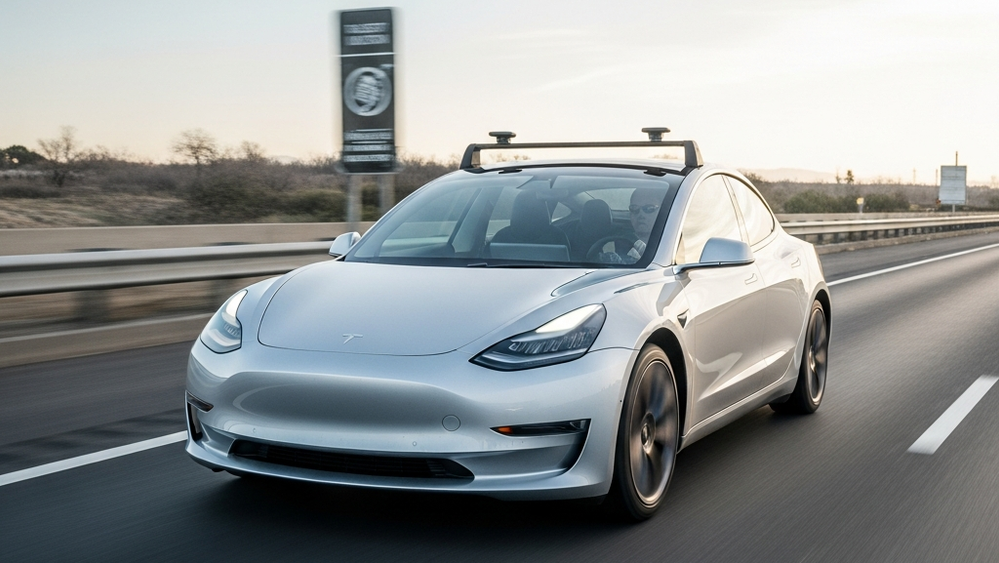
Federal Initiative Sets New Standards for AV Technology
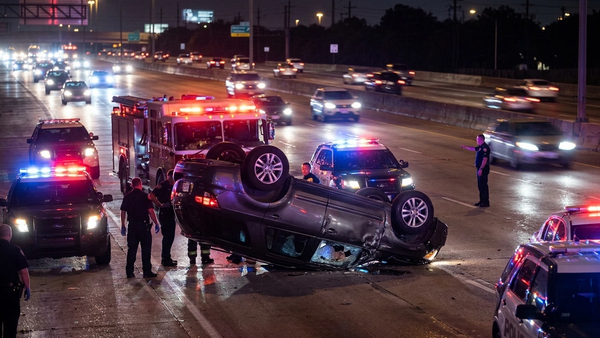
US federal authorities are moving to establish strict performance standards for autonomous vehicles to ensure they handle unpredictable road behaviors safely. According to recent reports, the initiative aims to create guardrails that define how self-driving technology should react in complex traffic scenarios. This shift comes as public concern grows over the safety of semi-autonomous features currently on the road. By codifying these behaviors, the government hopes to reduce the frequency of catastrophic collisions caused by software misinterpretations. This regulatory push signals a new era where manufacturers will be held to specific, measurable benchmarks for artificial intelligence driving systems.
Affected by a Motor Vehicle Issue?
Our specialized tool can help you estimate the potential worth of your case based on current laws and precedents.
Who Is Responsible When Self-Driving Software Fails?
When autonomous technology fails, determining who is at fault involves a complex intersection of product liability and traditional traffic law. If a vehicle's software fails to adhere to the new federal guardrails, the manufacturer or software developer may be held strictly liable for any resulting injuries. However, liability can also extend to the human operator if they failed to intervene when the system alerted them to take control. Investigating these cases requires analyzing data logs, sensor inputs, and the specific failure of the driving algorithms. Proving negligence often hinges on showing that the technology was defectively designed or lacked adequate warnings for its limitations.
Critical Steps to Protect Your Rights After an AV Crash
If you are involved in a collision with a self-driving vehicle, preserving digital evidence is the most critical step you can take for your case. Ensure that you request a copy of the vehicle’s data logs immediately, as this information can reveal whether the software or the human driver was in control at the moment of impact. You should also consult with experts who understand the nuances of Tesla autopilot investigations and other similar technologies. Documenting the scene and your injuries is vital, much like in a traditional crash, but with the added layer of technical failure reports. To understand the financial implications of your situation, use our free case calculator to estimate the value of your potential claim.
Potential Compensation for Autonomous Vehicle Injuries
Compensation in autonomous vehicle claims typically covers a wide range of economic and non-economic damages depending on the severity of the incident. Victims may recover costs for medical treatments, lost wages, and permanent disability, as seen in cases like a teen killed in a Tesla crash. Because AV accidents often involve corporate defendants with high-limit insurance policies, settlement ranges can be significantly higher than standard passenger car accidents. Punitive damages may also be pursued if it is discovered that a manufacturer knowingly ignored safety flaws in their software. The total value of your recovery will depend on factors such as the degree of manufacturer negligence and the long-term impact on your quality of life.
Federal Regulations and State Liability Frameworks
The legal landscape for self-driving cars is currently shaped by a mixture of state negligence laws and evolving federal guidelines from the National Highway Traffic Safety Administration (NHTSA). While federal guardrails provide a standard for behavior, individual states still control the statutes of limitations and comparative fault rules that apply to injury lawsuits. It is important to monitor how the Consumer Product Safety Commission and other agencies view these vehicles as consumer products rather than just transportation tools. Understanding the specific statute of limitations by state is essential to ensure you do not lose your right to file a claim. These laws are rapidly changing to keep pace with the technology, making expert legal guidance more important than ever.
Use Our Free Calculator to Value Your Claim Today
Navigating a legal claim against a massive tech or automotive company requires sophisticated tools and a clear understanding of your rights. Our platform provides the resources you need to challenge corporate negligence and seek the full compensation you deserve for your injuries. By analyzing the specific details of your accident, we can help you determine if a software defect or a driver error was the primary cause of your loss. Don't wait for the manufacturers to offer a low settlement that doesn't cover your future medical needs. Visit our motor vehicle accident calculator today to get an instant, transparent estimate of what your case could be worth in the current legal market.
Disclaimer: This blog post is for informational purposes only and does not constitute legal advice. For specific legal guidance regarding your situation, please consult with a qualified attorney.