NHTSA Intensifies Probe into 3.2 Million Tesla Vehicles
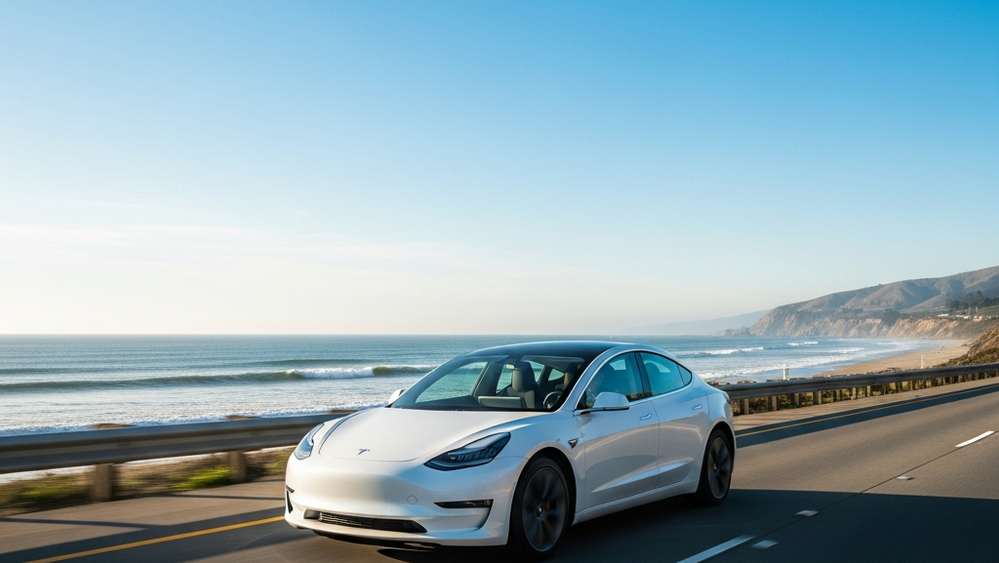
The National Highway Traffic Safety Administration (NHTSA) recently intensified its scrutiny of Tesla’s automated driving systems, upgrading a probe that impacts approximately 3.2 million vehicles. This significant move follows a series of collisions involving Tesla’s Autopilot and Full Self-Driving (FSD) features, according to recent reports. Federal regulators are specifically concerned about whether the technology provides adequate safeguards to ensure drivers remain attentive during operation. The investigation covers Model 3, Model Y, Model S, and Model X vehicles produced over several years. This upgrade signifies that the agency has identified enough evidence to suggest a potential safety defect that may require a formal recall or further legal intervention.
Affected by a Product Liability Issue?
Our specialized tool can help you estimate the potential worth of your case based on current laws and precedents.
Assessing Liability in Autonomous Driving Failures
Establishing liability in accidents involving semi-autonomous technology requires a deep dive into both driver behavior and software performance. In many cases, Tesla may face product liability claims if it is proven that the Autopilot system failed to detect obstacles or did not provide sufficient warnings to the driver. Legal experts often look for evidence that the manufacturer prioritized marketing over consumer safety or released software with known vulnerabilities. Liability might also extend to the driver if they were found to be grossly negligent, but the focus of this federal probe remains on the inherent risks of the technology itself. Proving a design defect in court often involves complex technical data from the vehicle's onboard computer to determine if the crash was preventable.
Immediate Actions for Tesla Owners After an Accident
If you are an owner of a Tesla vehicle involved in the current investigation, there are critical steps you must take to protect your interests. First, ensure you have documented any instances where the Autopilot system behaved unexpectedly, even if a crash did not occur. You should also report any safety concerns directly to the NHTSA safety portal to contribute to the ongoing federal record. If you have already suffered an injury, it is vital to review legal precedents, such as those discussed in the Tesla Cybertruck legal actions, to understand similar defect claims. To get an immediate estimate of what your potential claim could be worth, use our free case calculator to evaluate your specific situation.
Potential Damages in Self-Driving Technology Lawsuits
Victims of motor vehicle accidents involving defective self-driving software may be entitled to significant compensation for their losses. Recoverable damages typically include current and future medical expenses, lost wages due to time away from work, and compensation for pain and suffering. In instances where the manufacturer was aware of a defect but failed to act, punitive damages might also be considered to discourage future corporate negligence. Settlement amounts vary widely based on the severity of the injuries and the clarity of the evidence against the software's performance. Understanding the full scope of your recovery requires a detailed analysis of both economic and non-economic impacts that the accident has had on your daily life.
Federal Oversight and Product Liability Statutes
The legal framework surrounding autonomous vehicles is rapidly evolving, involving both traditional tort law and specific federal safety standards. Under strict product liability principles, a manufacturer can be held responsible for injuries caused by a defective product regardless of intent or negligence. The NHTSA operates under the authority of the National Traffic and Motor Vehicle Safety Act, which empowers them to mandate recalls when vehicles pose an unreasonable risk to the public. Additionally, state-specific statutes of limitations define the narrow window of time you have to file a lawsuit, making it imperative to act quickly once a defect is suspected. Navigating these overlapping layers of federal oversight requires a thorough understanding of how federal findings influence individual civil litigation.
Evaluate Your Potential Tesla Accident Claim Today
Taking the first step toward securing justice can feel overwhelming, but you do not have to face a major corporation like Tesla alone. Our platform is designed to provide you with the clarity and resources needed to pursue a valid claim for damages if you have been harmed by a vehicle defect. By utilizing our specialized evaluation tools, you can gain a better understanding of the legal landscape and what a fair settlement might look like for your specific case. Do not let the complexity of self-driving technology prevent you from seeking the compensation you deserve for your injuries and losses. Use our motor vehicle accident calculator today to see what your case could be worth in just a few minutes.
Disclaimer: This blog post is for informational purposes only and does not constitute legal advice. For specific legal guidance regarding your situation, please consult with a qualified attorney.