The Growing Danger of E-Cigarette and Vape Explosions in 2026
Electronic cigarettes and vaporizers have become a multi-billion dollar industry, but this rapid growth has come with significant safety risks. One of the most terrifying risks associated with these devices is the potential for spontaneous explosions and fires. Often occurring without warning, these incidents can cause catastrophic injuries to the user's face, hands, and legs. As we move into 2026, the legal landscape surrounding these devices has evolved, making it possible for victims to seek justice through complex product liability litigation.
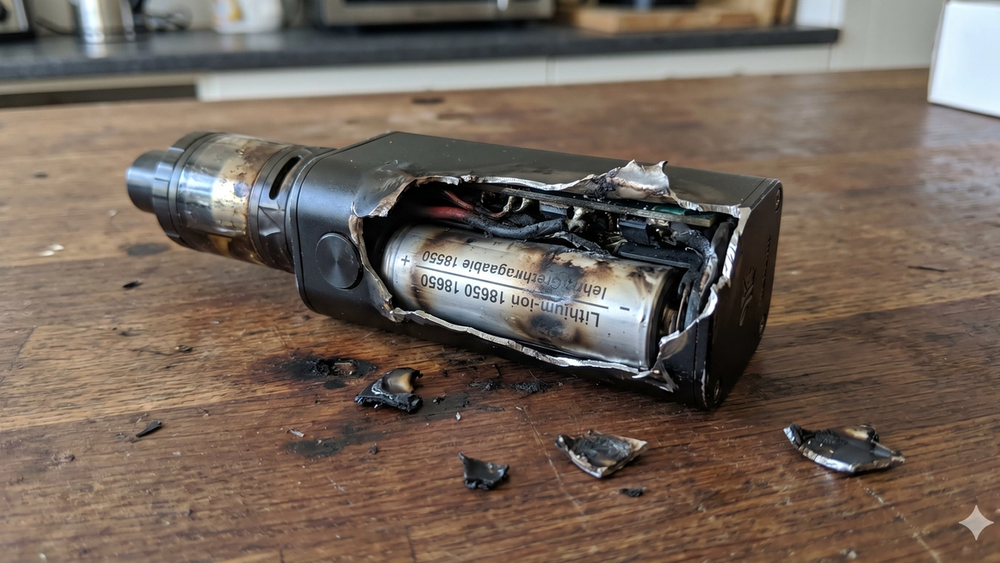
Most vape explosions are caused by the failure of the lithium-ion batteries that power the devices. When these batteries fail, they can enter a state known as "thermal runaway," where internal temperatures rise rapidly, leading to the venting of toxic gas and, in many cases, a violent blast. Understanding your rights is the first step toward recovery. If you have been injured, you may be eligible to file a claim against the manufacturer, distributor, or retailer responsible for putting a dangerous product into your hands.
Affected by a Product Liability Issue?
Our specialized tool can help you estimate the potential worth of your case based on current laws and precedents.
The Science of Thermal Runaway and Battery Failure
To understand why a vape explodes, one must understand the technology inside. Most e-cigarettes utilize high-drain lithium-ion batteries, similar to those found in laptops and electric vehicles. However, in many vapes, these batteries are used in devices that lack the sophisticated cooling systems or safety circuits found in larger electronics.
Thermal runaway occurs when an internal short circuit or external heat source causes the battery's internal temperature to reach a critical point. This triggers a chemical reaction that generates more heat, which in turn accelerates the reaction. The result is a pressurized explosion. Factors that contribute to these failures include:
- Poor Manufacturing: Impurities in the battery cells during the production process.
- Design Flaws: Lack of adequate venting in the device housing, which turns the vape into a small pipe bomb.
- Mechanical Damage: Physical impacts that compromise the battery’s internal structure.
- Overcharging: Using improper charging cables that bypass safety protocols.
Common Injuries Resulting from Vape Explosions
The physical toll of a vape explosion is often life-altering. Because these devices are frequently held near the face or kept in pockets close to the body, the resulting trauma is localized and severe. Medical professionals often compare the damage to that seen in combat zones or high-pressure industrial accidents.
Typical injuries include:
- Third-Degree Burns: Deep tissue damage requiring extensive skin grafts and long-term wound care.
- Facial Fractures: The blast force can shatter jawbones, cheekbones, and orbital sockets.
- Ocular Trauma: Shrapnel from the device can cause permanent blindness or the loss of an eye.
- Blast Injuries: Dental damage, including the loss of multiple teeth and tongue lacerations.
- Psychological Trauma: Victims often suffer from PTSD, anxiety, and depression following the sudden and violent nature of the accident.
If you have suffered a burn injury from any device, it is critical to seek specialized care. You can learn about burn injury liability and case values here.
Establishing Product Liability in E-Cigarette Cases
Product liability is the area of law that holds manufacturers and sellers responsible for placing defective products into the hands of consumers. In most states, these claims are based on "strict liability," meaning the victim does not necessarily have to prove that the manufacturer was negligent—only that the product was defective and caused injury.
There are three primary types of defects recognized in these claims:
Design Defects
A design defect exists when the very blueprint of the product is inherently dangerous. In the context of vapes, this often involves the lack of safety features like a "kill switch" to prevent overcharging or the failure to include pressure-relief vents that would allow gas to escape without an explosion.
Manufacturing Defects
These occur when a product deviates from its intended design during the assembly process. Even if the design is safe, a single unit may be dangerous due to a flaw on the factory floor, such as a contaminated battery cell or a loose wire.
Failure to Warn (Marketing Defects)
Many vapes are sold with inadequate instructions or warnings. If a manufacturer fails to warn consumers about the specific risks of carrying loose batteries in their pockets or using a particular type of charger, they can be held liable for resulting injuries.
Identifying Potential Defendants in Your Lawsuit
One of the most challenging aspects of a vape explosion claim is identifying who to sue. The supply chain for electronic nicotine delivery systems (ENDS) is often global and fragmented. An experienced attorney will look at the entire chain of distribution to maximize your potential recovery.
Possible defendants include:
- Device Manufacturers: Often based overseas, these companies are the primary targets for design and manufacturing defects.
- Battery Manufacturers: Companies that produce the 18650 or 21700 lithium-ion cells used in vapes.
- Distributors and Wholesalers: Middlemen who imported the dangerous goods into the United States.
- Retail Vape Shops: Local businesses have a legal duty to sell safe products and provide adequate warnings to their customers.
The Role of Federal Regulations and the FDA
In recent years, the Food and Drug Administration (FDA) and the Consumer Product Safety Commission (CPSC) have increased their oversight of the vaping industry. Since 2016, the FDA has had the authority to regulate all ENDS products, including their components and parts. However, the market remains flooded with "gray market" or unregulated products that bypass safety standards.
According to the FDA's guide on vapes and e-cigarettes, manufacturers are required to submit Premarket Tobacco Product Applications (PMTAs). While these applications focus heavily on public health and nicotine content, they also include requirements for battery safety and device integrity. When a manufacturer fails to comply with these federal standards, it provides strong evidence for a product liability claim.
What to Do Immediately After a Vape Explosion
The actions you take in the minutes and hours following an explosion will significantly impact the success of your legal claim. If you are able, follow these steps to protect your rights:
- Seek Medical Attention: Your health is the priority. Emergency room records serve as the foundation for your injury documentation.
- Preserve the Evidence: DO NOT throw away the remains of the device, the batteries, or the charger. Place them in a sealed container and keep them in a safe location. Do not attempt to clean them.
- Take Photographs: Document your injuries, the scene of the explosion, and the damaged device from multiple angles.
- Identify Witnesses: If the explosion happened in public, gather the contact information of anyone who saw it occur.
- Save Receipts: Keep any documentation showing where and when you purchased the device and its components.
For more information on handling a defective product claim, see our guide on documenting evidence for maximum recovery.
Calculating the Value of Your Settlement or Verdict
Every case is unique, and the value of a settlement depends on the severity of the injuries and the strength of the evidence. In 2026, juries are increasingly sympathetic to victims of battery explosions, recognizing the severe pain and permanent disfigurement these incidents cause.
Compensation usually falls into two categories: economic and non-economic damages. Economic damages cover tangible losses like medical bills, skin graft surgeries, and lost wages. Non-economic damages compensate for pain and suffering, emotional distress, and the loss of enjoyment of life due to permanent scarring. To understand the potential worth of your claim, you can use our product liability case value calculator.
The Impact of Comparative Negligence
Insurance companies and manufacturers often attempt to blame the victim for the explosion. They may argue that you used the wrong charger, modified the device, or carried the battery improperly. This is known as the defense of "comparative negligence."
In many states, as long as you are less than 50% or 51% at fault, you can still recover compensation, though your total award will be reduced by your percentage of fault. For instance, if a jury determines your damages are $100,000 but finds you 20% responsible because you used an unapproved charger, your final award would be $80,000. It is vital to have a lawyer who can counter these defense tactics and prove that the product's defect was the primary cause of the incident.
State-Specific Variations in Product Liability Laws
While the core concepts of product liability are similar across the country, specific laws vary by state. Some states follow a "strict liability" standard, while others may require proof of negligence. Additionally, the statute of limitations—the deadline for filing a lawsuit—varies significantly.
According to Cornell Law's overview of products liability, some jurisdictions may also apply the "sophisticated user" defense or unique rules regarding component parts manufacturers. Navigating these regional differences requires a legal team with national reach and local expertise. For example, California and New York often have consumer-friendly laws that make it easier to hold manufacturers accountable, whereas other states may have damage caps on non-economic awards.
The Dangers of "Re-Wrapped" and Counterfeit Batteries
A major issue in the 2026 vaping market is the prevalence of re-wrapped batteries. These are often used or low-grade battery cells that have been given a new plastic cover (wrap) to look like high-performance brands. These batteries are far more likely to fail because they cannot handle the high current demands of sub-ohm vaping.
If you purchased batteries that were misrepresented as a different brand, you may have a claim for consumer fraud in addition to product liability. This adds another layer of liability for the retailer who sold the counterfeit goods. The Consumer Product Safety Commission (CPSC) has issued numerous alerts regarding the safe handling of lithium-ion batteries and the dangers of using individual cells in vaping devices.
The Timeline of a Vape Explosion Lawsuit
Litigating a product liability case is not a fast process. It requires extensive discovery, expert testimony, and technical analysis. Typically, a case follows these stages:
- Investigation: Gathering medical records and analyzing the device.
- Filing the Complaint: Formally starting the lawsuit against the defendants.
- Discovery: Exchanging evidence and taking depositions of company executives and engineers.
- Expert Analysis: Hiring battery engineers and fire marshals to recreate the failure.
- Mediation: Attempting to reach a settlement before trial.
- Trial: If a settlement cannot be reached, a jury will hear the case and determine damages.
Why Expert Testimony is Essential
You cannot win a vape explosion case without experts. Because the mechanics of battery failure are complex, you need professionals who can explain to a jury exactly how the thermal runaway occurred. Expert witnesses typically include:
- Metallurgists and Battery Engineers: To examine the internal structure of the failed cell.
- Electrical Engineers: To analyze the circuitry of the vape device.
- Medical Experts: To testify about the long-term impact of burn injuries and the necessity of future surgeries. Link to Mayo Clinic's burn care guidelines to understand the medical complexity involved.
- Vocational Experts: To calculate the impact of the injuries on your future earning capacity.
Frequently Asked Questions About Vape Claims
Can I still sue if the product was recalled?
Yes. In fact, a recall can often serve as evidence that the product was dangerous. You can read more about how recalls affect your case value here.
What if the manufacturer is in China?
While it is more difficult to sue a foreign company, it is not impossible. Furthermore, you can often pursue claims against the American retailers and distributors who brought the product to market.
How much does it cost to hire a lawyer?
Most product liability attorneys work on a contingency fee basis. This means you pay nothing upfront, and the lawyer only gets paid if they successfully recover money for you.
Taking the Next Step Toward Justice
A vape explosion is a traumatic event that can leave you with mounting medical bills, permanent scars, and a fear of electronic devices. You do not have to face this burden alone. The law provides a pathway for victims to hold negligent companies accountable and secure the financial resources needed for recovery.
By understanding the mechanics of battery failure and the principles of product liability, you are better equipped to advocate for yourself. If you or a loved one has been injured, time is of the essence. Statutes of limitations are strict, and evidence can degrade over time. Protecting your future starts with a professional evaluation of your case details.
To see how much your claim may be worth based on your specific injuries and circumstances, visit our free case value calculator today.
Disclaimer: This blog post is for informational purposes only and does not constitute legal advice. For specific legal guidance regarding your situation, please consult with a qualified attorney.