Understanding Product Liability and the Impact of a Recall
When a product is pulled from the shelves because it poses a danger to consumers, it is known as a recall. However, many people mistakenly believe that if a product is recalled after they have already been injured by it, they have missed their window for legal action or that the manufacturer is somehow protected by the voluntary recall. In reality, a recall often serves as powerful evidence that a defect existed. If you have been harmed by a defective consumer good, medical device, or vehicle, you generally still have the right to seek compensation through a product liability lawsuit.
Product liability is the area of law that holds manufacturers, distributors, and retailers responsible for putting dangerous products into the hands of consumers. A recall is a procedural step intended to prevent future injuries, but it does not absolve a company of responsibility for injuries that have already occurred. In fact, the existence of a recall can sometimes simplify the process of proving that a product was defective in its design, manufacturing, or marketing. Understanding how product recalls affect case value is essential for any victim looking to recover damages for medical bills, lost wages, and pain and suffering.
Affected by a Product Liability Issue?
Our specialized tool can help you estimate the potential worth of your case based on current laws and precedents.
The Role of Strict Liability in Recalled Product Claims
Most personal injury cases are based on the concept of negligence, which requires the victim to prove that the defendant failed to exercise reasonable care. However, product liability cases often operate under the principle of "strict liability." Under strict liability, a consumer does not necessarily have to prove that a manufacturer was careless. Instead, they only need to prove that the product was defective and that the defect caused their injury.
According to the Legal Information Institute at Cornell Law School, strict liability applies when a product is sold in an "unreasonably dangerous" condition. When a manufacturer issues a recall, they are essentially admitting that the product contains a hazard that makes it unsafe for its intended use. While this admission is not always automatically admissible in court as proof of negligence, it creates a strong foundation for a strict liability claim. If the product was used as intended and resulted in an injury due to a known defect, the manufacturer is often held liable regardless of the precautions they took during production.
Can a Recall Be Used as Evidence in Court?
One of the most complex aspects of suing for a recalled product is the admissibility of the recall itself. In the United States, Federal Rule of Evidence 407 (and similar state rules) generally prohibits the use of "subsequent remedial measures" to prove negligence or culpable conduct. The logic behind this rule is to encourage companies to fix dangerous situations without fearing that the fix will be used against them in a lawsuit.
However, there are critical exceptions to this rule. A recall may be admissible to prove other elements of a case, such as:
- Feasibility of Precaution: If a manufacturer claims that a safer design was not possible, the recall (and the subsequent fix) can prove that a safer alternative was indeed feasible.
- Ownership or Control: To prove that the defendant was the party responsible for the product's safety.
- Impeachment: If a witness for the manufacturer testifies that the product was perfectly safe, the recall can be used to challenge their credibility.
Even if the recall document itself is restricted, the underlying data that led to the recall—such as internal testing results, consumer complaints, and reports of other injuries—is usually discoverable and highly relevant to your claim.
Timing Matters: Pre-Injury vs. Post-Injury Recalls
The timing of the recall relative to your accident is a major factor in the success of your lawsuit. There are two primary scenarios:
Injuries Occurring Before the Recall
If you were injured by a product that had not yet been recalled, but a recall was issued shortly after, your case is typically strong. This suggests the manufacturer was likely aware of a growing problem but had not yet acted. In these cases, the recall serves as a validation of the danger you faced.
Injuries Occurring After a Recall is Issued
If you were injured by a product that had already been recalled, the manufacturer might argue that you should have known about the danger. This is often referred to as the "assumption of risk" or "contributory negligence." However, for this defense to work, the manufacturer must prove that they provided adequate notice to you specifically. If the recall was buried on a website or if you were never directly notified for a product you registered, you may still have a valid claim. The burden is often on the manufacturer to show they took every reasonable step to reach affected consumers.
The Three Types of Product Defects
To win a product liability case involving a recalled item, you must categorize the defect. A recall usually addresses one of these three areas:
- Design Defects: The product's actual blueprint is inherently dangerous. No matter how perfectly it is manufactured, the design itself poses a risk. An example would be a vehicle model prone to rolling over during sharp turns.
- Manufacturing Defects: The design is safe, but something went wrong during the assembly or production of a specific batch. This might include a contaminated batch of medication or a bicycle frame with a weak weld.
- Failure to Warn (Marketing Defects): The product is safe if used correctly, but the manufacturer failed to provide adequate instructions or warnings about non-obvious risks. A common example is a medication that fails to list a serious side effect on its label.
Regardless of the defect type, documenting a defective product claim requires gathering physical evidence, such as the product itself, the original packaging, and any receipts or owner manuals.
Federal Agencies and the Recall Process
Several federal agencies oversee product safety and have the authority to influence or mandate recalls. Their involvement can provide a roadmap for your legal team:
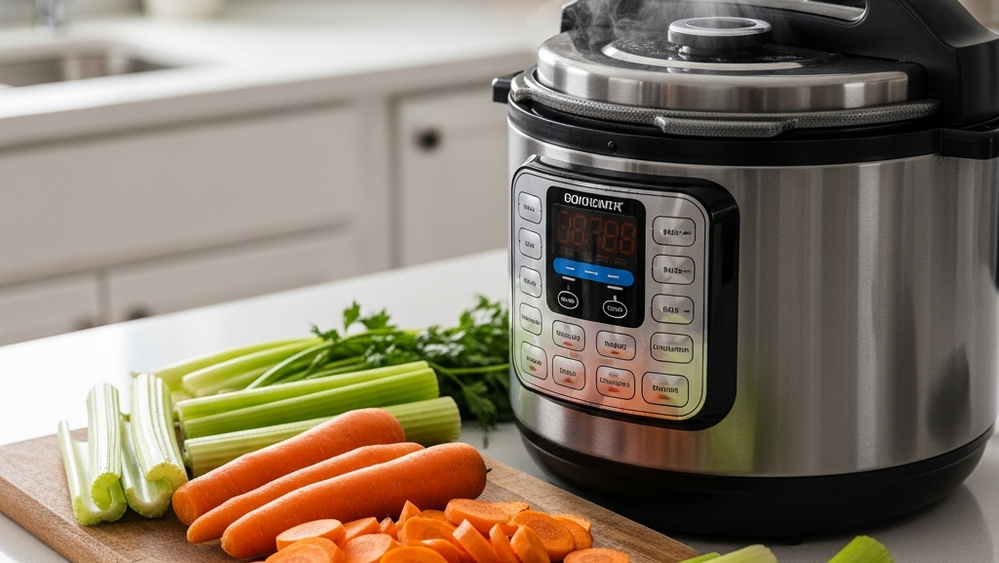
- Consumer Product Safety Commission (CPSC): This agency handles thousands of consumer goods, from electronics to toys. You can search their official recall database to see if a product has been flagged for safety issues.
- Food and Drug Administration (FDA): The FDA oversees the safety of pharmaceuticals and medical devices. If a medical implant or a prescription drug is recalled, the FDA's medical device recall pages provide detailed technical information on why the product failed.
- National Highway Traffic Safety Administration (NHTSA): This agency manages automotive recalls. If your car's airbags failed or the brakes were defective, the NHTSA recall search tool will confirm if your VIN was included in a safety action.
Finding your product in these databases is a significant first step in building your case, as it provides an official record of the hazard.
Calculating the Value of a Recalled Product Claim
The settlement value of a product liability case is determined by several variables, ranging from the severity of your physical injuries to the financial losses you sustained. When a product is recalled, it can sometimes lead to higher settlements because the manufacturer's liability is clearer, making them more likely to settle to avoid a public trial.
Standard damages in these cases include:
- Economic Damages: These are quantifiable losses, such as emergency room bills, surgery costs, physical therapy, and lost income from time missed at work. If your injury is permanent, this also includes the loss of future earning capacity.
- Non-Economic Damages: These address the human cost of the injury, including physical pain, emotional distress, loss of enjoyment of life, and disfigurement.
- Punitive Damages: In rare cases where a manufacturer knew a product was killing or maiming people but chose to hide the evidence to protect profits, a jury may award punitive damages. These are intended to punish the company and deter future misconduct.
To understand what your specific situation might be worth, you can use a product liability calculator to estimate your potential recovery based on your unique damages.
Medical Device Recalls: A Unique Challenge
Medical device lawsuits, such as those involving hernia mesh, hip replacements, or pacemakers, are particularly complex. These products are often surgically implanted, meaning a recall might necessitate a second, dangerous "revision surgery" to remove the defective device.
In many medical device cases, manufacturers argue that they are protected by "federal preemption." This legal theory suggests that because the device was approved by the FDA, state-level product liability lawsuits should be barred. However, recent court rulings have carved out exceptions, particularly when a manufacturer fails to follow FDA-mandated manufacturing processes or hides safety data. If your implant was recalled, the manufacturer is often liable for the cost of the original surgery, the revision surgery, and the complications that follow.
Automotive Defects and the Record-Breaking Recall Era
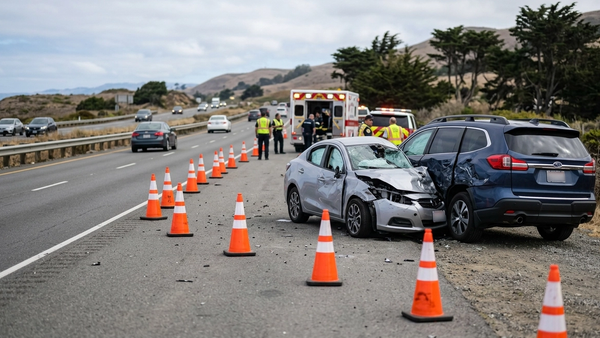
We are currently in an era of massive automotive recalls, often involving millions of vehicles at once. From exploding Takata airbags to defective ignition switches, these recalls are frequently the result of years of hidden data. If you are involved in a car accident and suspect a mechanical failure—such as a steering lock-up or an engine fire—you should check your vehicle against the NHTSA's recall list.
Even if a recall notice was sent out, many consumers do not receive them due to address changes or second-hand purchases. If you can prove that you did not receive a notice and that the defect caused your crash, the manufacturer can be held responsible for the resulting injuries and vehicle damage. You can find more information on the complexities of these settlements in our product liability settlements guide.
Why You Should Never Return the Product to the Manufacturer
One common trap that manufacturers set after a recall is offering a refund or a replacement if you return the defective item. While this seems like a helpful gesture, it is often a tactic to destroy the most important piece of evidence in your potential lawsuit.
If you have been injured, do not return the product. Without the specific item that caused your harm, it becomes much harder for an expert witness to testify that a manufacturing defect existed in your particular unit. Instead, store the product in a safe place, take high-resolution photographs of any serial numbers or breakage points, and contact a legal professional immediately. If the manufacturer demands the product for testing, your attorney can arrange for a controlled inspection that preserves the evidence for both sides.
The "Statute of Repose" vs. "Statute of Limitations"
In most personal injury cases, you only need to worry about the statute of limitations—the deadline for filing a lawsuit after an injury occurs. However, product liability cases also involve the "statute of repose."
- Statute of Limitations: Usually 2 to 4 years from the date the injury occurred or was discovered.
- Statute of Repose: A "hard deadline" based on the date the product was first sold. For example, if your state has a 10-year statute of repose, you cannot sue a manufacturer for a defect if the product was sold 11 years ago, even if the injury just happened yesterday.
A recall does not usually extend these deadlines, though it can sometimes trigger the "discovery rule," allowing you more time if the recall was the first time you could have reasonably known the product was defective.
Class Action vs. Individual Lawsuit for Recalled Products
When a recall affects millions of people, a class action lawsuit is often filed. In a class action, one or a few plaintiffs represent a large group of people who suffered similar, usually minor, damages (like the cost of the product itself).
However, if you have suffered a significant physical injury, joining a class action may not be in your best interest. Class action settlements often result in small payouts for the individual members. If you have substantial medical bills or permanent disability, filing an individual lawsuit—or participating in Multidistrict Litigation (MDL)—allows you to seek compensation that specifically reflects your personal losses. An individual lawsuit ensures that your specific pain and suffering are accounted for in the final award.
Steps to Take After an Injury from a Recalled Product
If you believe a defective, recalled product caused your injury, follow these steps to protect your legal rights:
- Seek Medical Attention: Your health is the priority. Medical records also serve as the primary evidence of your damages.
- Preserve the Product: As mentioned, do not return it, throw it away, or attempt to fix it.
- Gather Documentation: Keep the receipt, the original box, the manual, and any communication from the manufacturer regarding the recall.
- Check the Recall Status: Visit the CPSC, FDA, or NHTSA websites to find the official recall notice and print a copy for your records.
- Avoid Social Media: Do not post about your injury or the product online, as these posts can be used against you by the manufacturer's defense team.
- Evaluate Your Claim Value: Use online tools to get a sense of what your case might be worth based on similar past verdicts.
Conclusion: Your Path to Justice
A recall is not a get-out-of-jail-free card for a manufacturer. Instead, it is often a red flag that points directly to their liability. Whether you were injured by a defective appliance, a dangerous car part, or a failing medical implant, the law provides a pathway for you to hold the responsible parties accountable.
Don't let a manufacturer's recall notice intimidate you into thinking you can't seek justice. If a product failed to keep you safe, you deserve to be made whole. To understand the true value of your claim and take the next step toward recovery, use our product liability case evaluation tool today. Getting a clear picture of your potential settlement is the first step in ensuring your future is protected.
Disclaimer: This blog post is for informational purposes only and does not constitute legal advice. For specific legal guidance regarding your situation, please consult with a qualified attorney.