Understanding the Hidden Dangers of Household Appliances
Every year, millions of Americans rely on household appliances to simplify their daily lives. From the convenience of a morning toaster to the comfort provided by a space heater during winter months, these devices are essential components of modern living. However, when a manufacturer fails to ensure the safety of their products, these everyday conveniences can transform into life-threatening hazards. Defective household appliances are responsible for thousands of fires, electrical shocks, and explosion-related injuries annually.
For an individual injured by a malfunctioning device, the path to recovery involves more than just medical treatment. It requires navigating the complex legal concepts of products liability to hold manufacturers, distributors, and retailers accountable. Whether the issue is a design flaw, a manufacturing error, or a failure to provide adequate warnings, victims have specific legal rights to seek compensation for their losses. This guide explores the most common defective appliance categories, the legal standards used to determine liability, and how victims can maximize their potential case value.
Affected by a Product Liability Issue?
Our specialized tool can help you estimate the potential worth of your case based on current laws and precedents.
The Legal Basis for Product Liability Claims
Product liability is a specialized area of personal injury law that deals with injuries caused by defective products. Unlike many other types of injury cases that require proving negligence, many product liability claims are based on the principle of strict liability. This means that a victim may not need to prove that the manufacturer was specifically "careless," but rather that the product was defective and that the defect caused the injury.
Strict Liability and Consumer Expectations
Under strict liability, a manufacturer is responsible for injuries if the product was sold in an "unreasonably dangerous" condition. Most courts use the "Consumer Expectations Test," which asks whether the product performed as safely as an ordinary consumer would expect when used in an intended or reasonably foreseeable manner. If a toaster bursts into flames during normal operation, it has likely failed this test.
Negligence in Appliance Design and Testing
While strict liability is common, negligence claims are also frequent. In these instances, the plaintiff alleges that the manufacturer breached their duty of care. This might include:
- Failing to conduct rigorous safety testing before market release.
- Choosing cheaper, substandard components to save on production costs.
- Ignoring reports of similar malfunctions from other consumers.
- Rushing a product through the development phase to beat a competitor.
Pressure Cooker Explosions: A High-Risk Kitchen Hazard
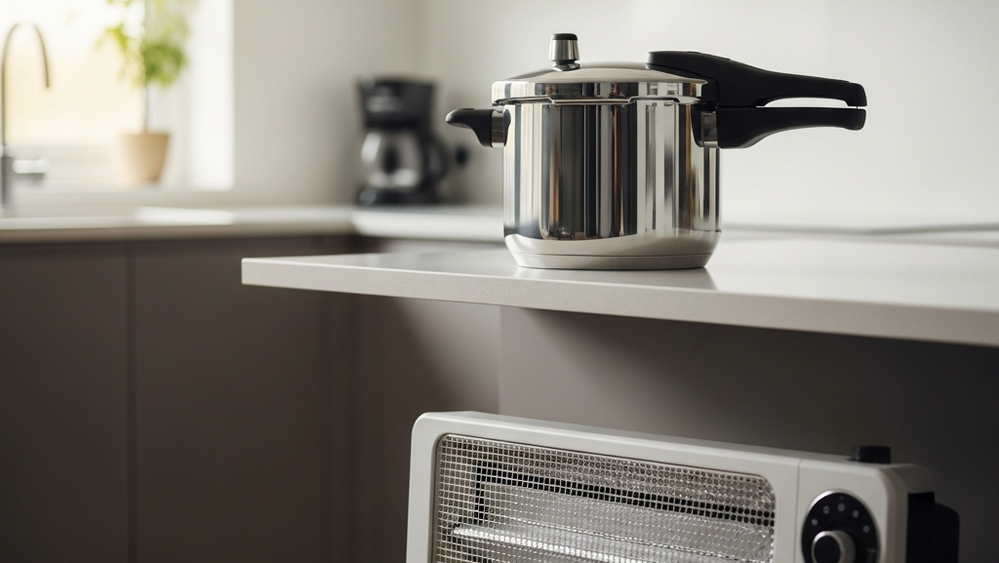
Pressure cookers and "instant pots" have seen a massive surge in popularity. Unfortunately, this popularity has been accompanied by a rise in catastrophic injury claims. The core mechanism of these devices—using high-pressure steam to cook food quickly—becomes a bomb-like hazard if the locking mechanisms or pressure release valves fail.
Common Defects in Modern Pressure Cookers
Many lawsuits allege that modern digital pressure cookers have defective sensors that allow the lid to be opened while the unit is still under extreme pressure. When this happens, the contents—often boiling liquids and fats—explode outward, causing severe thermal burns. In some cases, a judge upheld a multi-million dollar verdict after finding that safety features failed to perform as advertised, leading to permanent disfigurement for the user.
Types of Injuries Sustained
Victims of pressure cooker explosions often face long-term medical challenges, including:
- Second and third-degree burns across the face, chest, and arms.
- Eye injuries or permanent vision loss from flying debris or steam.
- Traumatic scarring that requires multiple reconstructive surgeries.
- Psychological trauma, including PTSD related to kitchen activities.
Space Heaters and the Risk of Residential Fires
Space heaters are leading causes of home fires during the winter. While many fires result from user error (such as placing the heater too close to curtains), a significant number are caused by internal defects. Manufacturers have a responsibility to include automatic shut-off switches and tip-over protection, yet these features frequently fail.
Electrical Malfunctions and Overheating
Defective wiring inside a space heater can lead to "thermal runaway," where the device continues to draw power and generate heat far beyond its safe capacity. According to data provided by the Consumer Product Safety Commission (CPSC), portable heaters are involved in thousands of residential fires annually. When a component like a thermostat fails, the exterior casing can melt or ignite nearby materials, leading to devastating property loss and wrongful death.
Proving Liability in Fire Cases
Proving that a fire was caused by a defective heater rather than user placement requires expert fire investigators. These professionals examine the "fire patterns" and the remains of the device to determine if the internal circuitry shows signs of an electrical arc or a failed safety fuse. If the investigation reveals the heater was the point of origin due to a mechanical failure, the case for product liability becomes much stronger.
Kitchen Hazards: Air Fryers, Toasters, and Countertop Ovens
Small kitchen appliances are often manufactured in high volumes with thin profit margins, sometimes leading to lapses in quality control. Air fryers, in particular, have been subject to numerous recalls due to overheating issues and electrical fires. Because these devices use high-wattage heating elements, any defect in the insulation or wiring can quickly lead to a fire.
Toaster and Toaster Oven Failures
Toasters are designed to shut off after a set period. A common defect involves the "timing mechanism" or the spring-loaded carriage getting stuck in the downward position. If the heating elements remain energized, the bread or crumbs inside will eventually ignite. Manufacturers who fail to include secondary thermal cut-off switches may be held liable for resulting kitchen fires.
Glass Explosions in Countertop Ovens
Some countertop ovens use tempered glass doors that can spontaneously shatter. This often happens due to "nickel sulfide inclusions" during the glass manufacturing process or improper tempering. When the glass explodes, it can send shards across a room, causing severe lacerations and eye injuries to anyone nearby.
The Role of Failure to Warn and Inadequate Instructions
An appliance does not have to be physically "broken" to be considered defective under the law. A product can be legally defective if it lacks adequate warnings or instructions regarding its known risks. This is known as a "marketing defect."
Warning Against Foreseeable Misuse
Manufacturers must warn users about dangers that are not obvious. For example, if a blender can be activated while the blades are exposed, and there is no clear warning about this risk, the manufacturer may be liable for finger amputations. However, they are not generally required to warn against "open and obvious" dangers, such as the fact that a stove becomes hot when turned on.
Clear and Precise Instructions
Instructions must be easy to understand for the average consumer. If a dishwasher requires a specific type of electrical grounding that isn't clearly explained in the manual, and a user is electrocuted, the lack of clarity can be the basis for a lawsuit. The adequacy of a warning is often a central point of contention in litigation, requiring expert testimony to determine if the warning met industry standards.
Large Appliances: Washers, Dryers, and Refrigerators
While small gadgets cause many injuries, large appliances are often responsible for more significant property damage and complex liability scenarios. Washing machines that vibrate excessively can "walk" and sever water lines, leading to massive flooding. Refrigerators with defective compressors can leak refrigerants that are both flammable and toxic.
Dryer Fires and Lint Ignition
Clothes dryers are a top cause of appliance-related fires. While regular maintenance is required, some dryers have design defects that allow lint to bypass the filter and accumulate near the heating element. Once this trapped lint ignites, the fire can spread through the vent system and into the walls of a home. If a specific model has a history of these fires, it may lead to a class action or mass tort claim.
Refrigerator Leaks and Slip and Fall Hazards
When a refrigerator's internal defrost drain or water line leaks, it creates a nearly invisible slip hazard on kitchen floors. If the leak is caused by a defective valve or a poorly designed drainage pan, the manufacturer may be liable for the resulting injuries. These cases often intersect with premises-liability claims if the injury occurred in a commercial setting like a restaurant or office.
How Product Recalls Impact Your Injury Lawsuit
When a manufacturer discovers a trend of injuries or defects, they may issue a voluntary recall in conjunction with the CPSC. Many consumers mistakenly believe that if a product is recalled, they can no longer sue. In reality, the impact of a product recall on a lawsuit is multifaceted.
Recalls as Evidence of a Defect
While a recall notice is generally not admissible in court to prove negligence (under the "subsequent remedial measures" rule), it can be used for other purposes, such as proving that a defect was physically possible or that the manufacturer was aware of the risk. Furthermore, a recall does not provide the manufacturer with "immunity." If you were injured by a product before you received the recall notice, or if the notice was poorly distributed, you still have the right to seek damages.
The Importance of Prompt Action
If you receive a recall notice, you have a duty to mitigate your damages. Continuing to use a known dangerous appliance after being warned can significantly reduce your settlement value through "assumption of risk" defenses. However, you can still sue for a product recalled after injury if the harm occurred before the recall was effectively communicated to you.
Calculating the Value of an Appliance Injury Claim
Determining the financial value of a defective appliance claim involves totaling both economic and non-economic damages. Because appliance injuries often involve fire or explosions, the damages are frequently substantial.
Economic Damages (Hard Costs)
These are the quantifiable losses resulting from the injury:
- Medical Expenses: Hospitalization, skin grafts, physical therapy, and future surgeries for scarring.
- Lost Wages: Time missed from work during recovery and any loss of future earning capacity if the injury resulted in permanent disability.
- Property Damage: The cost to repair or replace a home damaged by an appliance fire.
Non-Economic Damages (Quality of Life)
These are subjective losses that vary from person to person:
- Pain and Suffering: The physical pain endured during the injury and subsequent treatments.
- Emotional Distress: The trauma of surviving a fire or explosion.
- Disfigurement: The psychological impact of permanent scarring, particularly on the face or hands.
- Loss of Consortium: The impact of the injury on the victim's relationship with their spouse.
To get a better sense of how these factors apply to your specific situation, you can use a product liability settlement calculator to estimate potential recovery ranges.
Immediate Steps to Take After an Appliance Injury
What you do in the minutes and days following an injury can make or break your legal claim. Because physical evidence is the most important factor in product liability, preserving the scene is paramount.
Preserve the Product and Evidence
- Do Not Throw the Appliance Away: Even if it is charred or broken, the physical device is your most important piece of evidence. If you discard it, you may be accused of "spoliation of evidence," which can lead to your case being dismissed.
- Take Photographs: Document the device, its serial number, the surrounding damage, and your injuries.
- Keep Packaging and Manuals: These items contain the warnings and instructions that will be scrutinized during the legal process.
- Identify the Receipt: Proof of purchase establishes when and where you bought the item, helping to identify the "chain of distribution."
Seek Medical Attention and Documentation
For burn injuries, prompt treatment is critical for both health and legal reasons. Medical professionals can provide immediate first aid for thermal injuries and document the severity of the burns. This documentation serves as the medical proof required to link your injuries directly to the appliance failure.
Identifying the Chain of Distribution
In a product liability case, you can often sue more than just the manufacturer. Any entity involved in bringing the product to market may share liability. This is known as the "chain of distribution."
- The Manufacturer: The primary designer and builder of the appliance.
- Component Parts Manufacturers: If the fire was caused by a specific faulty switch made by a third party, that party may be liable.
- The Wholesaler or Distributor: The "middleman" in the shipping process.
- The Retail Store: The big-box store or online retailer that sold you the defective unit.
Suing multiple parties can be beneficial because it increases the available insurance coverage, ensuring there are enough funds to pay for high-value claims involving catastrophic injuries or total loss of property.
Common Defenses Used by Appliance Manufacturers
Manufacturers have large legal teams dedicated to minimizing payouts. They will often try to shift the blame onto the consumer to reduce the settlement value through comparative negligence. Common defenses include:
- Product Misuse: The manufacturer may argue that you used the appliance in a way that was never intended, such as using a space heater to dry wet clothing.
- Alteration of the Product: If you modified the appliance (e.g., cutting off a grounded plug or using a non-approved power cord), the manufacturer will argue that the modification caused the failure.
- Statute of Repose: Unlike a statute of limitations (which starts at the time of injury), a statute of repose bars claims after a product reaches a certain age (often 10-12 years), regardless of when the injury occurred.
- Assumption of Risk: Arguing that the consumer was aware of the danger but chose to use the product anyway.
State-by-State Variations in Product Liability Laws
Product liability laws are not federal; they vary significantly by state. For example, some states follow "strict contributory negligence," where being even 1% at fault can bar you from recovery. Most states, however, use "comparative negligence," where your settlement is reduced by your percentage of fault.
- California: Known for strong consumer protections and strict liability standards.
- Texas: Has specific statutes that can make it more difficult to sue retailers if the manufacturer is solvent and available for suit.
- Florida: Uses a "Risk-Utility" test for design defects, balancing the danger of the product against the cost of making it safer.
Understanding these nuances is essential for properly valuing a claim. If you live in a specific region, such as the Empire State, you should consult a New York product liability calculator to see how local laws impact your potential settlement.
Conclusion: Seeking Justice for Defective Appliance Injuries
An injury caused by a defective household appliance is more than just an accident; it is often the result of a corporation prioritizing speed and profit over consumer safety. Whether you are dealing with the aftermath of a pressure cooker explosion or a devastating house fire caused by a space heater, you do not have to face the legal system alone. By preserving evidence, documenting your medical journey, and understanding the principles of strict liability, you can hold negligent manufacturers accountable.
If you or a loved one has been injured by a malfunctioning household product, the first step toward recovery is understanding the true value of your claim. Legal timelines are often short, and evidence can vanish quickly. Take action today to protect your family's future and secure the compensation you deserve for your medical bills, lost wages, and suffering.
Ready to see what your case might be worth? Calculate your potential settlement value now with our free online evaluation tool.
Disclaimer: This blog post is for informational purposes only and does not constitute legal advice. For specific legal guidance regarding your situation, please consult with a qualified attorney.