Failed LINX GERD Implants Trigger New Legal Action
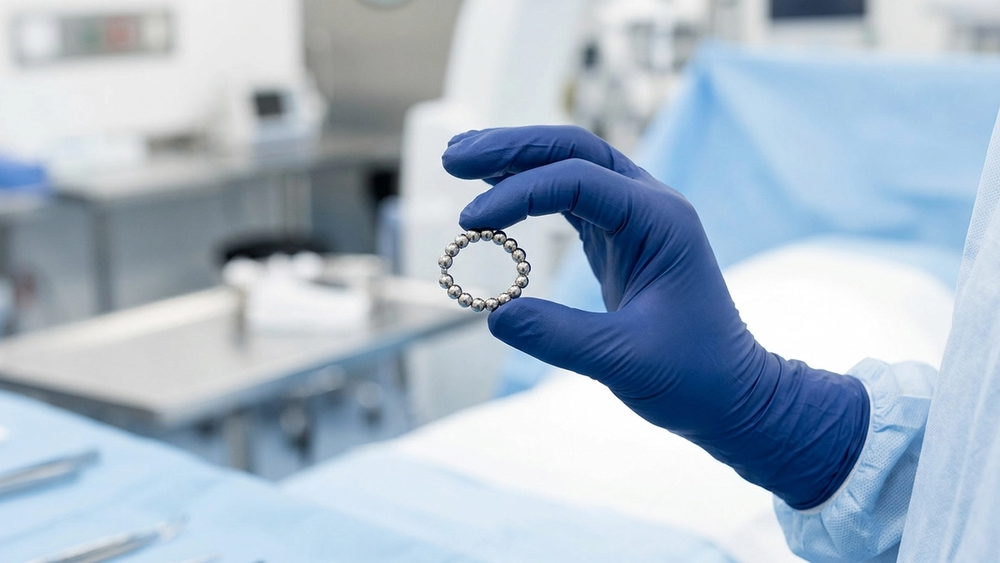
The LINX Reflux Management System, designed to treat gastroesophageal reflux disease (GERD), is now at the center of litigation following allegations of device failure. A recently filed lawsuit claims the magnetic bead implant failed shortly after surgical installation, resulting in severe complications and the need for additional medical intervention. These incidents often involve the migration of the device or the failure of the magnets to maintain the necessary tension to prevent reflux. According to recent reports, the plaintiff suffered significant internal injuries when the implant did not perform as marketed. Patients who have undergone this procedure should be aware that hardware malfunctions can lead to life-altering health issues.
Affected by a Product Liability Issue?
Our specialized tool can help you estimate the potential worth of your case based on current laws and precedents.
Establishing Liability for Defective Medical Devices
When a medical device like the LINX system fails, legal liability typically falls under the umbrella of product liability. Manufacturers are held to a strict standard regarding the design, manufacturing, and marketing of surgical implants. If a device is found to be defectively designed or if the manufacturer failed to provide adequate warnings about known risks, they may be responsible for the resulting damages. Establishing negligence often requires expert testimony to prove that the device was unreasonably dangerous compared to safer alternatives. Furthermore, if a surgeon was aware of the defects but proceeded with the installation, there could be concurrent medical malpractice concerns regarding professional standards of care.
Immediate Steps for Victims of Implant Failure
If you suspect your GERD implant has failed, the first priority is seeking immediate medical evaluation to prevent further internal damage. You should request copies of all surgical reports and imaging that document the current state of the device and any migration or breakage. It is also helpful to review existing information on medical device failure to understand how these cases are structured. Keeping a detailed log of your symptoms and any lost wages due to recovery time is essential for building a strong legal case. To get a better sense of your legal standing, you can use our free case calculator to estimate your claim's potential worth based on your specific injuries.
Potential Settlement Values for Surgical Device Injuries
Compensation in a defective medical device case is intended to cover both economic and non-economic losses. Victims may recover costs for the initial surgery, the removal of the failed device, and any future revision surgeries required to fix the damage. Beyond medical bills, settlement values often account for pain and suffering, emotional distress, and permanent loss of bodily function. As discussed in our guide on the LINX surgery lawsuit, the severity of internal scarring and the complexity of corrective procedures significantly impact the final payout. While every case is unique, significant jury awards have been seen in mass torts involving similar implantable hardware where manufacturers ignored safety signals.
Understanding the Product Liability Legal Standard
The legal framework for these claims is governed by state-level statutes of limitations and the federal oversight provided by the FDA. Understanding how to document a defective product claim is critical because many states have strict deadlines that begin the moment a patient discovers the device has malfunctioned. Legal doctrines like strict liability often apply, meaning the plaintiff does not necessarily need to prove the manufacturer was reckless, only that the product was defective. These rules are clarified in detail by products liability standards which vary slightly by jurisdiction. Following guidelines on reporting medical device adverse events can also provide context on how defects are officially tracked.
Evaluate Your Potential LINX Claim Value Now
Taking legal action against a major medical device manufacturer can be a daunting process, but you do not have to face it alone. Our team of specialists is dedicated to helping injury victims navigate the complexities of product liability and medical negligence. By identifying the specific failures of your implant and documenting your recovery process, we can help ensure you receive the maximum compensation allowed by law. Don't wait until the statute of limitations expires to explore your options for recovery and justice. Use our free case evaluator today to get started and find out exactly what your case might be worth in the current legal landscape.
Disclaimer: This blog post is for informational purposes only and does not constitute legal advice. For specific legal guidance regarding your situation, please consult with a qualified attorney.