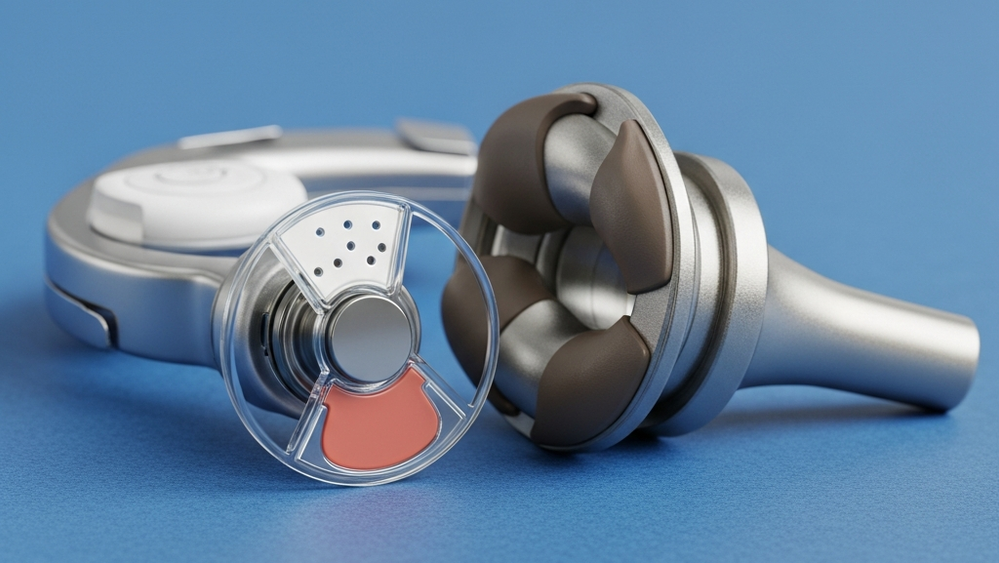
Understanding the Scope of Medical Device Failures
When we undergo surgery to receive a medical implant, we place an immense amount of trust in the manufacturers and the regulatory bodies that oversee them. From life-sustaining pacemakers to mobility-restoring hip implants, these devices are designed to improve quality of life. However, when a medical device fails, the consequences are often catastrophic. A failure can mean emergency surgery, permanent disability, chronic pain, or even wrongful death.
Modern medicine relies heavily on complex technology. While most devices perform as intended, the sheer volume of implants—millions every year—means that even a small failure rate affects thousands of patients. The legal landscape surrounding these failures is complex, involving intersectional areas of law such as product liability and medical malpractice. Navigating these waters requires an understanding of how these devices are regulated, why they fail, and what legal avenues are available to victims. If you or a loved one has suffered due to a malfunction, utilizing a product liability settlement calculator can be a critical first step in understanding the potential value of your claim.
Affected by a Product Liability Issue?
Our specialized tool can help you estimate the potential worth of your case based on current laws and precedents.
The Three Pillars of Product Liability in Medical Devices
In the United States, medical device litigation typically falls under the umbrella of product liability. To hold a manufacturer responsible, a plaintiff generally must prove that the product was defective in one of three ways:
- Design Defects: These occur when the actual blueprint or engineering of the device is inherently dangerous. Even if the device is manufactured perfectly according to specifications, the design itself makes it unsafe for its intended use.
- Manufacturing Defects: These happen when a device deviates from its intended design during the production process. This might involve a contaminated batch of materials, a mechanical error on the assembly line, or poor quality control at a specific factory.
- Marketing Defects (Failure to Warn): This is one of the most common grounds for medical device lawsuits. It occurs when a manufacturer knows—or should have known—about specific risks or side effects but fails to provide adequate warnings to doctors (the "learned intermediaries") or patients.
Establishing which of these categories a failure falls into is essential for a successful legal claim. According to the Legal Information Institute at Cornell Law, strict liability is often applied in these cases, meaning a plaintiff may not need to prove the manufacturer was "negligent" in the traditional sense, but only that the product was defective and caused the injury.
Pacemaker and Cardiac Device Failures
Pacemakers and Implantable Cardioverter Defibrillators (ICDs) are among the most sensitive medical devices because they manage the heart's electrical rhythm. When these devices fail, the results are immediate and life-threatening. Failures often manifest as battery depletion earlier than expected, lead fractures (the wires connecting the device to the heart), or software glitches that cause the device to deliver unnecessary shocks or fail to deliver life-saving ones.
Recent litigation has highlighted significant risks with certain models. For instance, many patients have come forward regarding Medtronic Azure pacemaker complications that may lead to heart arrhythmias. When a cardiac device fails, the patient usually requires an invasive procedure called an "extraction," which carries its own set of high risks, including damage to the heart walls or veins. The legal value of these cases often hinges on the level of cardiac damage sustained and the physical trauma of the subsequent revision surgeries.
Hip Implant Failure and Revision Surgeries
Hip replacements are intended to last 15 to 20 years. However, certain designs—specifically metal-on-metal (MoM) hip implants—have been linked to premature failure. These devices consist of a metal ball and a metal socket. As they rub together, they can release microscopic metal ions (chromium and cobalt) into the surrounding tissue and bloodstream. This leads to a condition called metallosis, which can cause tissue death, bone erosion, and systemic heavy metal poisoning.
Symptoms of a failing hip implant include:
- Groin, hip, or leg pain
- Swelling near the hip joint
- A popping, grinding, or clicking noise during movement
- Difficulty walking or a new limp
When a hip implant fails, a "revision surgery" is required. These procedures are significantly more complex and painful than the original replacement. Surgeons must remove the old hardware, which may be fused to the bone, and attempt to stabilize the area with new implants. Organizations like the Mayo Clinic provide extensive documentation on the risks associated with these procedures, which legal teams use to establish the severity of a plaintiff's suffering.
Spinal Cord Stimulator and Surgical Hardware Malfunctions
Spinal cord stimulators (SCS) are implanted devices used to manage chronic pain by sending electrical signals to the spinal cord. While they offer relief to many, they are also prone to hardware failures such as lead migration (where the wires move out of place), lead breakage, and battery malfunctions that can cause internal burns.
We have seen a rise in litigation concerning these devices, particularly regarding spinal cord stimulator defects where patients allege that malfunctions caused permanent nerve damage or intensified pain rather than relieving it. Other surgical hardware, such as hernia mesh, pelvic mesh, and bone screws, also face high rates of failure. When these objects migrate, erode into organs, or cause chronic infections, the patient often faces a lifetime of medical complications and multiple corrective operations.
The FDA Approval Process and Federal Preemption
One of the biggest hurdles in medical device litigation is the concept of "Federal Preemption." The Food and Drug Administration (FDA) classifies medical devices into three categories based on risk. Class III devices—the highest risk, including pacemakers and many implants—undergo a rigorous process called "Premarket Approval" (PMA).
Under the Supreme Court ruling in Riegel v. Medtronic, manufacturers of Class III devices that have received PMA are often shielded from state-law product liability claims. The argument is that if the FDA has approved a device's design and labeling, a state court cannot find that same design or label to be "defective." However, there are exceptions. If the manufacturer violated FDA regulations or if the device was cleared through the less-stringent 510(k) process (which only requires proving the device is "substantially equivalent" to an existing one), victims may still have a path to justice.
Proving Negligence and Medical Malpractice
While the manufacturer is often the primary target, sometimes the failure lies with the healthcare provider. Medical malpractice may occur if a surgeon:
- Implants the device incorrectly.
- Fails to respond to signs of device failure in a timely manner.
- Uses a device for an "off-label" purpose without informing the patient of the risks.
- Ignores a manufacturer's recall notice.
In these instances, the case shifts from a product liability claim to a professional negligence claim. Proving malpractice requires showing that the doctor's actions fell below the accepted "standard of care" in the medical community. This often requires testimony from other surgeons or medical experts who can attest to what a competent doctor should have done under similar circumstances. To estimate the worth of such a claim, patients can consult a medical malpractice case value calculator to see how various damages are weighed.
Calculating the Value of Your Injury Claim
Determining the financial value of a medical device failure case involves a thorough analysis of both economic and non-economic damages. Because these injuries often have long-term impacts, the calculations must account for future needs, not just current bills.
Key factors in valuation include:
- Medical Expenses: This covers the cost of the initial implant, the emergency care during failure, revision surgeries, physical therapy, and any lifetime medical monitoring required.
- Lost Wages and Earning Capacity: If the injury prevents you from working, or if you must take a lower-paying job due to physical limitations, you are entitled to the difference in lifetime earnings.
- Pain and Suffering: This is a non-economic damage that compensates for the physical pain and emotional distress caused by the failure and subsequent treatments.
- Loss of Consortium: In some states, the spouse of an injured person can claim damages for the loss of companionship and support.
Every case is unique. A patient who loses their leg due to an infected knee implant will have a vastly different case value than one who requires a minor software update on an ICD. Documenting every aspect of the physical and emotional toll is vital for a fair settlement.
The Importance of Expert Testimony in Device Litigation
You cannot win a medical device lawsuit on your own. These cases are battles of experts. To succeed, your legal team will likely hire:
- Biomedical Engineers: To explain how the device was designed and why that design was flawed.
- Materials Scientists: To analyze the physical components of the device for manufacturing defects or unexpected wear patterns.
- Regulatory Experts: To testify on whether the manufacturer followed FDA guidelines and reporting requirements.
- Medical Experts: Specialized surgeons who can explain the physiological impact of the failure on the human body.
The cost of hiring these experts is significant, which is why most medical device lawyers work on a contingency fee basis, covering these upfront costs and only getting paid if you win your case.
Understanding Multi-District Litigation (MDL) for Medical Devices
When thousands of people are injured by the same device—such as a specific brand of hip implant—the federal court system often uses Multi-District Litigation (MDL). Unlike a class action, where one person represents a whole group, an MDL centralizes many individual lawsuits into one court for "pretrial proceedings."
In an MDL, a single judge oversees discovery (the exchange of evidence) and "bellwether trials." These are test cases that help both sides see how juries might react to the evidence. The results of bellwether trials often lead to large-scale settlement programs where the manufacturer agrees to pay a total sum that is then divided among plaintiffs based on the severity of their injuries. This process is much more efficient than trying thousands of cases individually across the country.
Statute of Limitations: Why Time is Critical
Every state has a "statute of limitations," which is a deadline for filing a lawsuit. In many personal injury cases, the clock starts ticking on the date of the accident. However, with medical devices, the "Discovery Rule" often applies. This rule states that the time limit begins when the patient discovered—or reasonably should have discovered—that their injury was caused by the defective device.
For example, if a hip implant was put in five years ago but only began causing pain and releasing metal ions last month, the discovery rule might allow the patient to file a suit even if the standard personal injury deadline has passed. However, waiting too long can be fatal to your case. It is essential to speak with a lawyer the moment you suspect your implant is failing. If you are unsure of your rights, investigating suing for products recalled after an injury can provide clarity on how timelines interact with official safety notices.
Practical Steps to Take Following a Device Failure
If you believe your medical device has malfunctioned, your priority must be your health, but your secondary priority should be protecting your legal rights. Follow these steps:
- Seek Immediate Medical Attention: Ensure you are stable. Tell your doctor you suspect a device failure so they can document it in your medical records.
- Identify the Device: Obtain the specific make, model, and serial number of the implant. This information should be in your surgical records or on an implant card given to you after surgery.
- Preserve the Evidence: If the device is removed during a revision surgery, you have a legal right to keep it. Explicitly tell your surgeon and the hospital that you want the hardware preserved and not destroyed or returned to the manufacturer for "testing."
- Keep a Diary: Document your pain levels, your inability to perform daily tasks, and your emotional state. This becomes powerful evidence of pain and suffering.
- Avoid Social Media: Do not post about your health or your potential lawsuit. Insurance companies and defense lawyers will use your photos and status updates to minimize your injuries.
Documenting Your Damages for Maximum Recovery
To maximize the value of your claim, you must be meticulous in your documentation. This goes beyond just saving hospital bills. You should collect:
- Records of all out-of-pocket expenses, including parking at the doctor's office and over-the-counter medications.
- Communication with your employer regarding missed time and any changes in your job duties.
- Testimony from friends and family about how the injury has changed your personality, mobility, and lifestyle.
- Photographs of surgical scars, swelling, or the physical environment (such as home modifications like ramps) necessitated by the injury.
Data from the Bureau of Labor Statistics regarding average wages and inflation can also be used by economists to project your future financial losses. This comprehensive approach ensures that the settlement covers the true lifetime cost of the injury.
Choosing Expert Legal Counsel for Your Claim
Medical device litigation is one of the most specialized areas of the law. You need a firm that has the financial resources to go up against multi-billion dollar pharmaceutical companies and the experience to handle complex MDL proceedings. When interviewing potential attorneys, ask about their track record with specific devices, their experience with the FDA preemption defense, and how they handle the costs of expert witnesses.
A qualified attorney will provide a free consultation to review your medical history and determine if your case has merit. They will also help you navigate the emotional toll of the process, acting as your advocate against large corporations that often prioritize profits over patient safety.
Take Control of Your Legal Future Today
Medical device failure is a traumatic experience that leaves many feeling vulnerable and overwhelmed. However, you do not have to face the recovery—physical or financial—alone. The law provides a pathway for victims to hold negligent manufacturers accountable and secure the resources needed for a full recovery.
Whether you are dealing with a failing pacemaker, a defective hip implant, or a malfunctioning spinal cord stimulator, understanding the value of your claim is the first step toward justice. Our tools are designed to help you quantify the impact of your injuries. To get a clear picture of what your case might be worth, visit our medical malpractice case value calculator and start your journey toward recovery today.
Disclaimer: This blog post is for informational purposes only and does not constitute legal advice. For specific legal guidance regarding your situation, please consult with a qualified attorney.