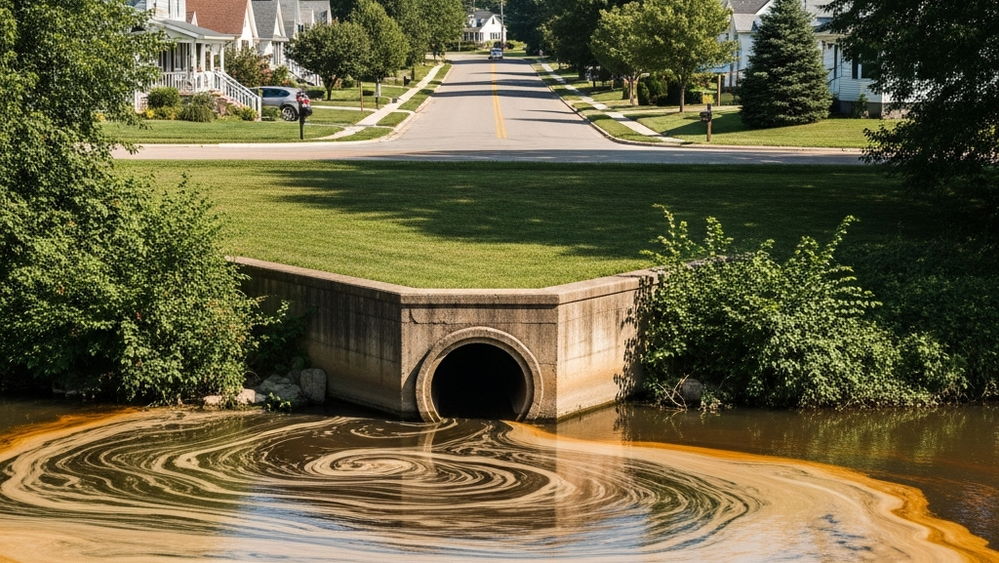
Understanding Environmental Contamination Class Actions
When a corporation or industrial entity releases hazardous substances into the air, soil, or water, the impact is rarely confined to a single individual. Usually, entire neighborhoods, zip codes, or even cities are affected. Environmental contamination class actions are a powerful legal tool designed to help these communities seek justice collectively. By grouping hundreds or thousands of similar claims into a single lawsuit, victims can leverage their shared evidence to hold massive corporations accountable for damages that would be too expensive to litigate individually.
Environmental lawsuits, often referred to as "toxic torts," are among the most complex areas of American law. They involve a intersection of high-level chemistry, epidemiology, property valuation, and corporate law. Whether the issue is lead in the drinking water, "forever chemicals" in the soil, or carcinogenic fumes in the air, these cases aim to recover compensation for medical bills, property devaluation, and the long-term health monitoring required after exposure. For many communities, a class action is the only viable path to securing a settlement that covers both immediate losses and future risks.
Affected by a Class Action Issue?
Our specialized tool can help you estimate the potential worth of your case based on current laws and precedents.
The Invisible Threat: Identifying Common Environmental Pollutants
To build a successful legal claim, it is essential to identify the specific pollutants involved. In modern litigation, several categories of hazardous substances frequently appear in community-wide lawsuits. Understanding these chemicals is the first step in determining the potential value of a legal claim.
Per- and Polyfluoroalkyl Substances (PFAS)
Known as "forever chemicals," PFAS are used in firefighting foams, non-stick cookware, and water-resistant fabrics. Because they do not break down in the environment or the human body, they accumulate over time. Litigation involving PFAS often focuses on groundwater contamination near airports, military bases, and manufacturing plants. These chemicals are linked to various cancers, thyroid disruption, and immune system issues.
Heavy Metals: Lead, Arsenic, and Mercury
Heavy metal contamination often stems from aging infrastructure or industrial runoff. Lead exposure, particularly in children, causes irreversible neurological damage. Arsenic and mercury contamination are common near mining sites and coal-fired power plants. These substances often infiltrate local well water, leading to widespread community health crises.
Volatile Organic Compounds (VOCs)
VOCs, such as benzene and trichloroethylene (TCE), are common industrial solvents that can vaporize and enter homes through a process called "vapor intrusion." Residents living above contaminated soil or groundwater may breathe in these toxic vapors for years without knowing it. Benzene is a well-known carcinogen linked to leukemia and other blood-related disorders, similar to the health risks seen in pharmaceutical class actions holding drug companies accountable for dangerous side effects.
Legal Theories of Liability: How to Hold Polluters Accountable
Suing a polluter requires more than just proving a chemical is present; you must prove that the polluter acted in a way that the law recognizes as a "wrong." Lawyers typically use four primary legal theories in environmental class actions:
- Negligence: This is the most common theory. Plaintiffs must show that the company owed a duty of care to the community, breached that duty by failing to manage waste properly, and that the breach directly caused the community's injuries.
- Strict Liability: For "ultra-hazardous" activities—such as storing explosive chemicals or radioactive materials—the law may hold a company liable regardless of how careful they were. If the material escaped and caused harm, the company is responsible.
- Nuisance: This theory focuses on the right to enjoy one’s property. If a factory’s odors, smoke, or runoff make it impossible or unhealthy for residents to live in their homes, it constitutes a private or public nuisance.
- Trespass: While we often think of trespass as a person walking onto land, in environmental law, it can mean the physical invasion of a property by microscopic particles, chemicals, or contaminated water plumes.
Information on these legal standards can be found through resources like the Cornell Law School Wex on toxic torts, which explains the nuances of liability in hazardous exposure cases.
Personal Injury vs. Property Damage: Two Pillars of Recovery
Environmental contamination usually causes two distinct types of damage: harm to the human body and harm to real estate. A comprehensive class action typically seeks compensation for both.
Personal Injury and Toxic Exposure
Personal injury claims in this context focus on physical ailments. This includes acute symptoms (rashes, respiratory distress) and chronic conditions (cancer, organ failure, reproductive issues). Proving these injuries requires extensive medical records. For those exposed in a professional setting, the claim might mirror a workplace toxic exposure case, which involves proving that safety protocols were bypassed. However, in a community class action, the focus is on "bystander" exposure—residents who were harmed simply by living near the source.
Property Devaluation and Stigma Damages
Even if a home is cleaned up, its market value may never recover. This is known as "stigma damage." Potential buyers are often wary of purchasing property in a neighborhood once labeled a "Superfund" site or a contamination zone. Class actions seek to recover the difference between the home's value before the contamination became public and its value after. Additionally, plaintiffs may sue for the "loss of use and enjoyment" of their land, such as being unable to garden or use a backyard pool due to soil or water safety concerns.
The Medical Monitoring Claim: Suing for Prevention
One of the most unique aspects of environmental class actions is the claim for "medical monitoring." In many toxic tort cases, the victims have been exposed to a carcinogen but have not yet developed a disease. Because many illnesses have a latency period of 10 to 30 years, it would be unfair to make victims wait until they are sick to sue.
Instead, a class action can demand that the polluter fund a medical monitoring program. This fund pays for regular testing, screenings, and diagnostic exams for all class members. The goal is to detect the onset of disease as early as possible when it is most treatable. Courts in different states have varying rules on this; some require a present physical injury to grant monitoring, while others, like California and Pennsylvania, allow it if the exposure significantly increased the risk of future illness.
Proving "Causation" in a Toxic Tort Case
The most difficult hurdle in any environmental lawsuit is proving causation. A polluter’s legal team will invariably argue that the plaintiffs' illnesses were caused by lifestyle choices, genetics, or other environmental factors rather than their specific chemicals.
To overcome this, plaintiffs must establish two types of causation:
- General Causation: Is the chemical in question capable of causing the specific illness found in the community? This is usually proven through peer-reviewed studies from agencies like the CDC Agency for Toxic Substances and Disease Registry.
- Specific Causation: Did the chemical cause this specific person’s illness? This requires expert testimony from toxicologists and epidemiologists who can map the "dose-response" relationship, showing that the level of exposure was high enough to be the primary cause of the harm.
The Role of Federal and State Regulations (EPA and Beyond)
Government agencies play a dual role in environmental litigation. On one hand, an EPA investigation often provides the "smoking gun" evidence needed for a lawsuit. If the EPA fines a company for violating the Clean Water Act or places a site on the National Priorities List (Superfund), that public record becomes a cornerstone of the legal case. You can explore EPA Superfund site cleanup data to see if a facility in your area has been flagged for federal intervention.
On the other hand, corporations often use "regulatory compliance" as a defense. They may argue that because they stayed within the permit limits set by the state, they cannot be held liable. However, legal standards for civil lawsuits are different from regulatory standards. A company can follow the letter of a permit and still be found negligent if they knew their emissions were harming the public. This is a critical distinction that class action attorneys use to prevent corporations from hiding behind government paperwork.
How Class Actions Work in Environmental Law
Not every group of people can file a class action. Under Federal Rule of Civil Procedure 23, a judge must "certify" the class before the case can proceed. This requires proving four elements:
- Numerosity: There are so many victims that individual lawsuits are impractical.
- Commonality: There are questions of law or fact common to the entire class (e.g., "Did this factory leak benzene?").
- Typicality: The claims of the lead plaintiffs are typical of the rest of the group.
- Adequacy: The lawyers and lead plaintiffs will fairly represent the interests of everyone in the class.
If the class is not certified, the case might still move forward as a "mass tort," which is similar but treats each plaintiff’s damages more individually. Understanding whether to join a broad group or pursue a more focused claim is vital, as sometimes opting out leads to higher payouts for individuals with catastrophic, unique health losses.
To see how these factors might apply to your situation, you can use a Class Action Calculator to estimate potential recovery based on the number of claimants and the severity of the contamination.
Calculating Case Values: Damages and Settlements
How much is an environmental contamination case worth? The value is rarely a single number; it is a combination of several damage categories. Settlements are typically structured to address both the community as a whole and the specific suffering of individuals.
Economic Damages
These are quantifiable financial losses. They include the cost of bottled water, the installation of filtration systems, medical bills already paid, and the lost market value of homes. If residents had to evacuate, economic damages also cover hotel costs and moving expenses.
Non-Economic Damages
This category covers "pain and suffering." In environmental cases, this often includes "fear of cancer" or emotional distress caused by the loss of a safe home environment. For communities where children have been poisoned by lead, these damages can be significantly higher due to the lifelong impact on the victims' quality of life.
Punitive Damages
In cases of gross negligence or intentional cover-ups—such as a company knowingly dumping chemicals into a creek to save money—a jury may award punitive damages. These are intended to punish the company and deter others from similar conduct. Punitive awards can often double or triple the total settlement amount.
The Statute of Limitations and the "Discovery Rule"
Time is a critical factor in environmental law. Every state has a statute of limitations, usually between two and four years, within which you must file a lawsuit. However, environmental hazards are often "latent," meaning the damage isn't visible for years.
To protect victims, most states use the "Discovery Rule." This means the clock on the statute of limitations doesn't start ticking until the victim discovered—or reasonably should have discovered—the injury and its cause. For example, if a factory has been leaking chemicals since 1990, but the contamination was only revealed by an EPA report in 2024, the two-year clock may start in 2024, not 1990. Failing to act once the contamination is public knowledge can permanently bar you from seeking compensation.
The Importance of Expert Witnesses
You cannot win an environmental class action without a team of world-class scientists. These experts provide the objective proof needed to link a specific corporate action to a specific health outcome. Common experts include:
- Hydrogeologists: They model how contaminated water moves through underground aquifers to show which homes were in the path of the plume.
- Toxicologists: They explain how chemicals interact with human DNA and cells.
- Real Estate Appraisers: They use "paired sales analysis" to prove how much value a neighborhood lost compared to similar, non-contaminated areas.
- Environmental Engineers: They investigate the facility to identify exactly where the leak or emission occurred and whether it could have been prevented.
Corporate Defense Tactics: What to Expect
Polluting companies have deep pockets and will fight aggressively to avoid a multi-million dollar class action settlement. Common defense tactics include:
- Blaming the Victims: Arguing that health issues are due to smoking, diet, or other environmental exposures.
- The "No-Injury" Defense: Claiming that while chemicals were released, the concentration was too low to cause actual harm.
- Jurisdictional Maneuvers: Trying to move the case to a more "business-friendly" court or arguing that federal law "preempts" (overrides) state law claims.
- Attacking Class Certification: Attempting to show that the victims are too different from one another to be treated as a single class.
Individual Lawsuit vs. Class Action vs. Mass Tort
Choosing the right legal vehicle is essential for maximizing your recovery.
- Class Actions are best when many people have small, similar claims (like property devaluation of $10,000 each).
- Mass Torts (MDLs) are common for personal injury. Each person has their own case, but they share discovery and evidence. This is often used for pharmaceutical or medical device injuries.
- Individual Lawsuits are best for "high-value" plaintiffs. If one family has three members with rare cancers directly linked to a confirmed spill, they may recover more by suing on their own rather than being grouped with thousands of people who only have property damage.
Actionable Steps for Affected Communities
If you suspect your community is being poisoned by industrial activity, you must act methodically to protect your legal rights:
- Document Everything: Keep a log of strange odors, health symptoms, and dates of chemical spills.
- Seek Medical Care: Establish a medical record of your symptoms. Tell your doctor you suspect environmental exposure so they can order the correct blood or urine panels.
- Avoid Social Media Speculation: While it's tempting to post on Facebook, anything you say online can be used by corporate defense lawyers to undermine your claim later.
- Request Public Records: Contact your local health department and the EPA for any reports on nearby industrial facilities.
- Consult a Specialized Lawyer: Environmental law requires specific expertise. Look for firms with a track record in toxic torts and class action litigation.
Conclusion: Seeking Justice for Your Community
Environmental contamination is more than a violation of the law; it is a violation of the fundamental right to live in a safe and healthy environment. While corporations often view the environment as a resource to be used and discarded, the legal system provides a way for families to fight back. By joining together in a class action, a community can balance the scales of justice and secure the resources needed for cleanup, medical care, and financial recovery.
If you believe you have been exposed to toxic substances due to a company's negligence, the time to act is now. Determining the value of your claim involves analyzing complex factors from property loss to future health risks. Use our Class Action Case Value Calculator to start understanding the potential worth of your legal claim and take the first step toward holding polluters accountable for the damage they have caused.
Disclaimer: This blog post is for informational purposes only and does not constitute legal advice. For specific legal guidance regarding your situation, please consult with a qualified attorney.