Allegations of Unauthorized Device Tuning by Abbott Reps
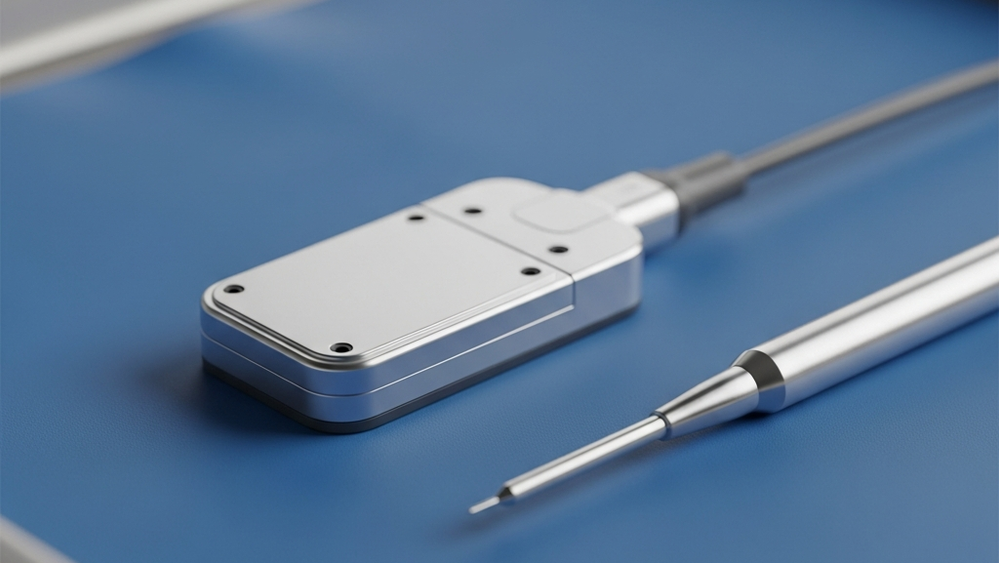
A recent lawsuit has surfaced involving allegations that unlicensed representatives from Abbott Laboratories performed medical modifications on patients' spinal cord stimulator (SCS) devices after they were already implanted. These devices are intended to manage chronic pain by delivering electrical pulses to the spinal cord, but according to recent reports, the plaintiff claims that non-medical staff adjusted internal settings in a way that led to severe injury. The case highlights a growing concern regarding the presence of sales representatives in clinical environments and whether they are overstepping their legal boundaries by performing tasks reserved for licensed medical professionals. Patients who expected expert medical care now face the reality of potentially permanent neurological damage due to these unauthorized interventions.
Affected by a Medical Malpractice Issue?
Our specialized tool can help you estimate the potential worth of your case based on current laws and precedents.
Who Is Responsible for Unauthorized Medical Procedures?
When a medical device manufacturer allows its sales representatives to engage in patient care, the lines of legal liability become blurred between medical malpractice and product liability. From a legal perspective, the manufacturer may be held vicariously liable for the actions of its employees if those representatives acted outside their scope of training or without proper licensing. Furthermore, the hospital or surgical center where these modifications took place could face negligence claims for failing to supervise non-clinical staff or for allowing unlicensed individuals to touch medical equipment post-surgery. Legal theories like 'failure to warn' or 'breach of warranty' may also apply if the manufacturer misled the healthcare facility about the qualifications of their technical support staff. This complex web of responsibility often requires a deep dive into corporate policies and hospital bylaws to determine exactly where the duty of care was breached.
What to Do If Your SCS Device Was Modified Post-Surgery
If you believe an unlicensed representative altered your spinal cord stimulator or if you experienced a sudden increase in pain or neurological symptoms following a device adjustment, your first priority must be seeking a secondary opinion from a licensed neurologist or neurosurgeon. Documenting every interaction you have with medical staff and device representatives is crucial, as this evidence forms the foundation of any future legal claim. You should also request copies of all medical records, specifically looking for 'reprogramming notes' that may identify the individual who adjusted your device. Similar to the risks identified in the Bard PowerPort litigation, internal device failures or mismanagement can lead to life-altering complications. To begin understanding your legal position, you can use our free case calculator to estimate the potential value of your medical injury claim.
Potential Compensation for Medical Device Injuries
Compensation for victims of spinal cord stimulator mismanagement can be substantial, often covering a wide range of economic and non-economic damages. Settlement amounts are typically influenced by the severity of the neurological damage, the need for future revision surgeries, and the long-term impact on the victim's ability to work. Beyond medical bills, plaintiffs may seek damages for pain and suffering, emotional distress, and loss of enjoyment of life resulting from permanent nerve injury. In cases where a corporation is found to have knowingly allowed unlicensed staff to perform medical procedures, punitive damages may also be pursued to punish the company and deter future misconduct. Because medical device litigation involves high-tech evidence, the total recovery must reflect the lifelong care requirements often associated with chronic spinal injuries.
Federal Regulations and State Laws for Medical Devices
Medical devices like the Abbott SCS are regulated by the FDA under the Premarket Approval (PMA) process, which often provides manufacturers with a degree of protection from state law liability under federal preemption. However, this legal shield generally does not protect companies if their representatives are found to be practicing medicine without a license or violating specific state medical practice acts. Under the legal doctrine of products liability, if a device is used or modified in a way that contradicts its approved safety protocols, the manufacturer may lose certain legal defenses. Every state has a specific statute of limitations for filing medical malpractice or product liability claims, which makes it imperative to act quickly before your legal window for recovery closes forever.
Calculate the Value of Your SCS Injury Claim
Navigating the legal system after a medical injury is daunting, but you do not have to do it alone. The first step toward justice is determining whether you have a viable claim and what that claim might be worth in today’s legal landscape. Our team provides specialized tools to help victims understand the financial impact of their injuries and hold negligent corporations accountable for their actions. By taking a few moments to provide details about your experience, you can get a clearer picture of your path forward and the resources available for your recovery. Use our free medical malpractice calculator right now to see how much compensation you may be entitled to for your suffering.
Disclaimer: This blog post is for informational purposes only and does not constitute legal advice. For specific legal guidance regarding your situation, please consult with a qualified attorney.