Cartiva Implants Facing Wave of Multidistrict Litigation
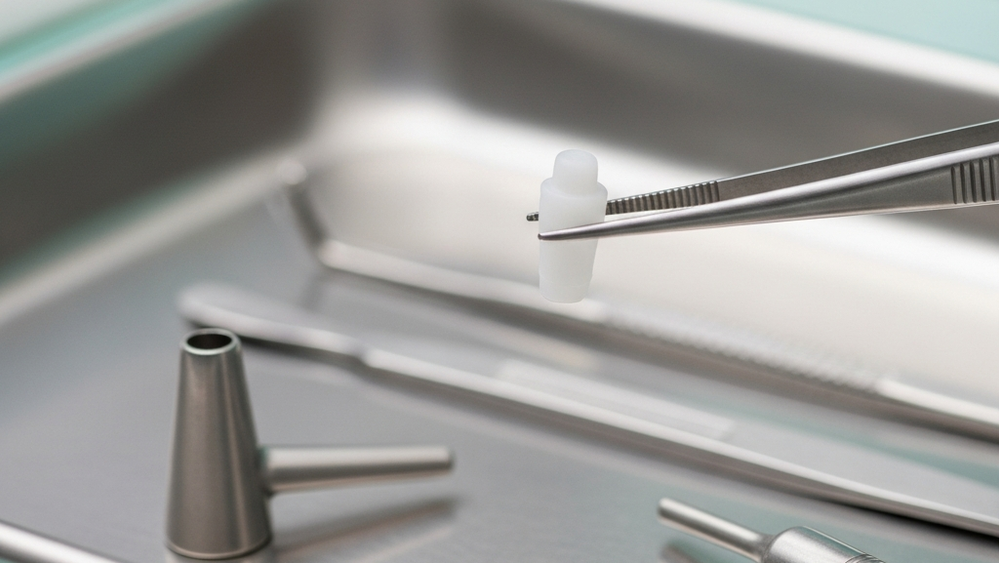
The medical community is currently grappling with the fallout from the high failure rates of Cartiva synthetic cartilage implants, designed to treat arthritis in the big toe. According to recent reports, a growing number of lawsuits are being consolidated into Multidistrict Litigation (MDL) as patients experience implant migration and bone loss. These devices were marketed as a revolutionary alternative to toe fusion, promising better mobility and a quicker recovery time for those with hallux rigidus. However, many patients have found that the synthetic plugs degrade rapidly, leading to excruciating pain and the need for complex revision surgeries. The surge in legal filings suggests that the real-world performance of these devices significantly deviates from the success rates originally promised by the manufacturer.
Affected by a Product Liability Issue?
Our specialized tool can help you estimate the potential worth of your case based on current laws and precedents.
Investigating Manufacturer Liability for Defective Implants
From a legal perspective, liability in these cases primarily rests on the manufacturer's alleged failure to warn patients and doctors about the true risks of device failure. Attorneys argue that the synthetic material used in the Cartiva implant may not be biocompatible for long-term use, leading it to shrink or slip into the bone. When a medical device manufacturer misrepresents the safety or efficacy of a product, they can be held strictly liable for the resulting damages under product liability laws. This often involves demonstrating that a design defect or a manufacturing flaw made the device unreasonably dangerous for its intended use. In many instances, the litigation aims to prove that the company prioritized profit over patient safety by downplaying clinical data that showed high revision rates.
Essential Steps for Patients Facing Revision Surgery
If you suspect your implant has failed, your first priority must be a consultation with an orthopedic surgeon to assess the integrity of the big toe joint. Documenting your physical pain levels, loss of mobility, and any upcoming surgical plans for toe fusion is essential for building a strong legal case. You should also preserve any medical records and the explanted device if a revision surgery is performed, as this serves as physical evidence of the product's failure. While navigating this process, you can use our free product liability calculator to estimate the potential value of your legal claim. Similar to victims in an Amazon heating pad burn lawsuit, your ability to recover depends on proving the product was defective and caused specific harm.
Evaluating Potential Settlements for Joint Implant Failure
Compensation in Cartiva lawsuits is typically designed to cover both economic and non-economic damages resulting from the device's failure. Victims may be eligible to recover the costs of the initial surgery, the subsequent revision procedure, and any long-term physical therapy required for recovery. Beyond medical bills, settlement values often account for the profound pain and suffering caused by permanent mobility loss and the inability to perform daily activities. Factors such as the patient's age, the severity of bone loss, and the impact on their career are all weighed during settlement negotiations. Because these cases are often consolidated into an MDL, early settlements may be influenced by the outcomes of bellwether trials which set a precedent for future compensation ranges.
Federal Product Liability Standards and MDL Procedures
Federal laws regarding medical devices often hinge on whether a product received pre-market approval or went through the simplified 510(k) clearance process. According to Cornell Law Institute, manufacturers are strictly liable for design defects that make a product unreasonably dangerous to the user. The FDA monitors these adverse events through its reporting databases, which have seen a significant uptick in complaints regarding synthetic cartilage plugs. Understanding the wrongful death medical malpractice landscape can also provide context for high-value medical device claims where surgical errors or product failures lead to catastrophic outcomes. Statutes of limitations for these claims vary by state, making it imperative to act quickly once a failure is identified.
Determine the Value of Your Cartiva Injury Claim
Navigating a complex medical device lawsuit requires a clear understanding of what your specific case is worth before entering into negotiations. If you or a loved one has suffered from a failed big toe implant, taking the first step toward justice involves a professional evaluation of your legal rights. Our website offers a specialized tool to help you understand the potential financial recovery available for your injuries and related medical expenses. Do not let the manufacturer's negligence leave you with mounting bills and permanent disability. Try our free case evaluator today to see how much your Cartiva implant claim could be worth and start your journey toward recovery.
Disclaimer: This blog post is for informational purposes only and does not constitute legal advice. For specific legal guidance regarding your situation, please consult with a qualified attorney.