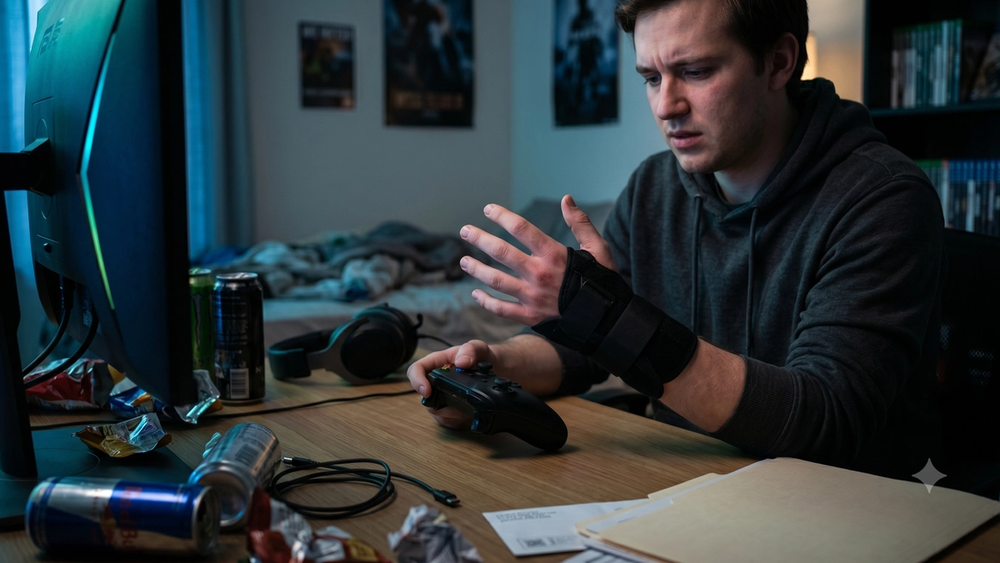
Addictive Game Design Linked to Child's Brain Damage
A significant product liability lawsuit has been filed against major gaming companies, alleging that intentionally addictive design features caused severe neurological harm to a 12-year-old boy. The child reportedly suffered from seizures and developmental issues after being targeted by psychological "dark patterns" designed to keep players engaged indefinitely, which aligns with clinical definitions of gaming disorder. The lawsuit claims that these platforms prioritize profit over the safety of minor users, resulting in physical and mental injuries that require life-long care. This case follows a growing trend of litigation targeting digital giants for their impact on youth mental health and biological development. It highlights the potential for massive corporate liability when software products cause tangible physical damage to the brain.
Affected by a Product Liability Issue?
Our specialized tool can help you estimate the potential worth of your case based on current laws and precedents.
Who Is Responsible for Gaming-Induced Neurological Injuries?
Liability in these cases often rests on the theory of product liability, specifically regarding design defects that make a product unreasonably dangerous for its intended users. Attorneys argue that gaming companies employ sophisticated algorithms and dopamine-triggering mechanics that go beyond mere entertainment and enter the realm of dangerous psychological manipulation. If a company knows their product is harmful—or even designs it to bypass a child's impulse control—they may be held responsible for any resulting neurological trauma. This is similar to how manufacturers of medical hardware are held accountable for patient safety, as discussed in our guide on medical device failure. Proving that the neurological harm was a direct result of the game's specific addictive features is the central challenge for legal teams in these emerging mass torts.
Protecting Your Family After a Serious Digital Injury
If you suspect a child has suffered physical or neurological issues due to excessive gaming, the first priority is seeking immediate medical intervention from a neurologist. Documentation is critical, so be sure to save evidence of the game titles played, the duration of play sessions, and any specific behaviors or symptoms observed. You should also consult with a specialist to determine if there is a biological timeline that matches the period of intense product use. It is helpful to use our free product liability calculator to understand the potential financial scope of a legal claim. Early consultation with a legal professional can help preserve digital evidence and usage logs that might otherwise be deleted by gaming servers or updated by developers.
Calculating Damages for Permanent Neurological Harm
Compensation in cases involving neurological damage to children can be substantial, often reaching into the high six or seven figures depending on the severity of the disability. Damages typically include current and future medical expenses, specialized educational needs, and compensation for significant pain and suffering. Because neurological injuries can be permanent, the loss of future earning capacity is often a major factor in the final settlement calculation. Factors such as the child's age, the extent of brain development affected, and the long-term prognosis for recovery will heavily influence the total value. Families may also seek punitive damages if it can be proven that the gaming companies acted with a reckless disregard for the known risks to minor safety.
Federal Regulations and Product Liability Statutes
While the gaming industry has long operated with minimal oversight, new legal interpretations of strict liability are beginning to hold digital products to the same safety standards as physical goods. Most states allow for claims when a product is inherently dangerous to a consumer, and the Consumer Product Safety Act provides a framework for holding manufacturers accountable for consumer harm. The recognition of specific mental health disorders linked to digital consumption provides a clinical basis for these lawsuits that was previously unavailable. Parents should be aware of the statute of limitations in their specific state, as waiting too long to file can permanently bar a family from seeking justice. As these cases move forward, they are expected to set a major precedent for how the tech industry must protect children.
Evaluate Your Potential Video Game Lawsuit Value
Taking on multi-billion dollar tech companies requires significant legal resources and a clear understanding of what your case is truly worth. If your child has suffered neurological harm, seizures, or severe mental health decline due to addictive gaming design, you deserve to know your legal options. Our intake team can help you navigate the complexities of product liability and the emerging field of digital injury litigation. Start the process today by using our free case evaluator to receive a confidential estimate of your potential recovery. Do not wait to seek justice for your family; a professional evaluation can provide the clarity you need to move forward with a claim.
Disclaimer: This blog post is for informational purposes only and does not constitute legal advice. For specific legal guidance regarding your situation, please consult with a qualified attorney.