Abbott Laboratories Faces Joint Suit Over Spine Implants
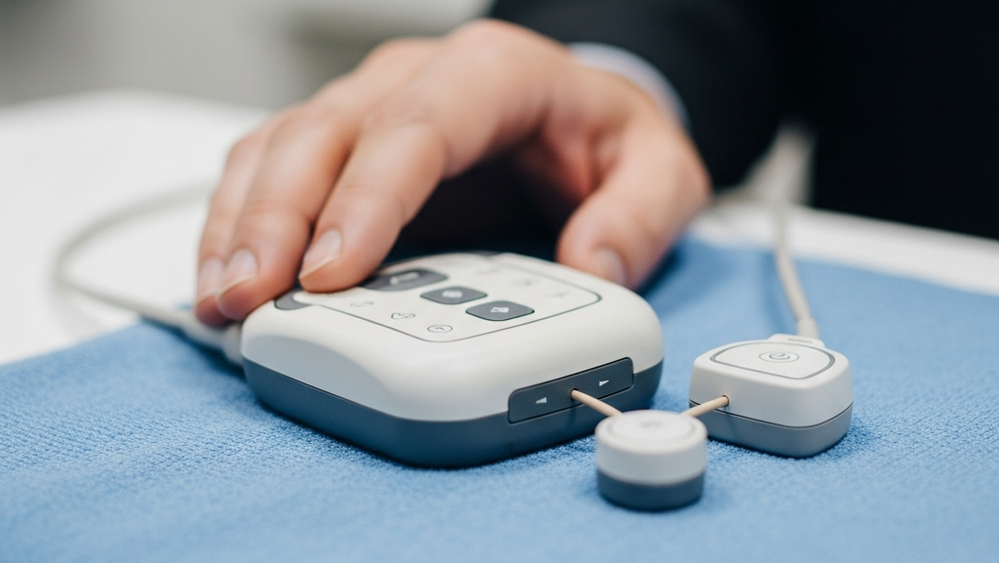
Seventeen patients have recently joined forces to file a product liability lawsuit against Abbott Laboratories, alleging that the company’s spinal cord stimulators (SCS) are defective and dangerous. These devices, designed to manage chronic pain by delivering electrical pulses to the spine, supposedly malfunctioned, causing severe internal injuries and worsening the very conditions they were meant to treat. According to recent reports, the plaintiffs claim that the manufacturer failed to ensure the safety and efficacy of these complex medical implants. This joint action highlights a growing concern regarding the reliability of neurostimulation technology in the medical field. Victims across the country are now looking for answers as more complications come to light regarding these specific Abbott models. Professional legal guidance is essential when dealing with such high-stakes medical device failures.
Affected by a Product Liability Issue?
Our specialized tool can help you estimate the potential worth of your case based on current laws and precedents.
Establishing Fault in Medical Device Failure Claims
Determining fault in medical device litigation often centers on whether a product was designed poorly, manufactured with defects, or sold with inadequate warnings. In this Abbott case, the liability may extend beyond simple hardware failure to include the company's failure to warn patients and physicians about known risks associated with the stimulators. Lawyers are investigating whether the company prioritized profit over patient safety by rushing these devices to market without sufficient long-term testing. Additionally, legal theories of strict liability may apply, where the manufacturer is held responsible for a defective product regardless of intent or specific negligence during the production phase. The involvement of multiple patients suggests a systemic issue rather than isolated incidents, strengthening the argument for corporate negligence and long-term liability.
Crucial Steps for Victims of Faulty Spinal Implants
If you or a loved one has suffered complications from a spinal cord stimulator, the first priority is seeking immediate medical evaluation to document any physical harm or device migration. It is crucial to preserve all medical records related to the implantation surgery and any subsequent revision procedures required to fix or remove the device. You should also consult with legal experts who specialize in medical device failure and legal options. This follows recent concerns regarding unlicensed Abbott representatives and other complications in calculating your potential case value. To get an initial idea of what your claim might be worth, you can use our free case calculator to estimate the potential value of your recovery. Early documentation and professional guidance are the best ways to protect your rights against large medical corporations.
Potential Compensation and Settlement Tiers for SCS Injuries
Compensation in medical device lawsuits typically covers a wide range of economic and non-economic damages caused by the faulty implant. Victims may be entitled to recover the costs of original surgeries, expensive revision procedures, and ongoing physical therapy needed to manage pain or mobility issues. Beyond medical bills, settlement values often account for lost wages if the injury prevented the victim from working, as well as significant awards for pain, suffering, and emotional distress. Factors such as the age of the victim and the permanency of the injury play a major role in determining the final settlement amount. In cases where a company is found to have acted with gross negligence, punitive damages might also be awarded to punish the firm and deter future misconduct.
Understanding the Product Liability Legal Framework
Product liability claims for medical devices are governed by a complex mix of state laws and federal regulations overseen by the Food and Drug Administration (FDA). Most states follow a strict liability standard, meaning a plaintiff must prove the device was defective and that the defect directly caused their injuries. It is also important to understand the legal standards for products liability which define how manufacturers must ensure their products are safe for intended use. Patients must be mindful of the statute of limitations, which varies by state but generally provides a limited window of time to file a claim after the injury is discovered. Navigating these rules requires a deep understanding of both professional malpractice standards and the specific protocols for mass tort litigation.
Evaluate Your Abbott Spinal Stimulator Claim Today
Navigating a lawsuit against a multi-billion dollar company like Abbott is a daunting task, but you do not have to face it alone. Our team is dedicated to helping injury victims understand the true value of their claims through expert analysis and comprehensive legal resources. By using our tools, you can move past the confusion and take a concrete step toward securing the compensation you deserve for your medical bills and suffering. Whether your injury occurred in a hospital or was the result of a long-term device malfunction, we provide the clarity needed to pursue justice. Try our product liability case calculator today to see how your specific circumstances translate into a potential legal recovery.
Disclaimer: This blog post is for informational purposes only and does not constitute legal advice. For specific legal guidance regarding your situation, please consult with a qualified attorney.