Over 350 Injuries Reported in Ocoopa Hand Warmer Recall
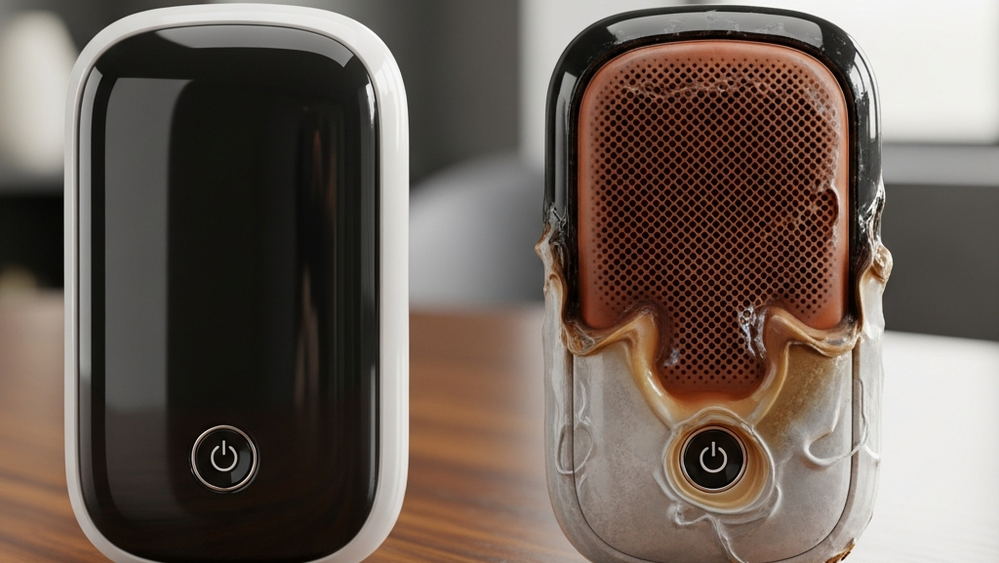
Ocoopa rechargeable hand warmers are currently under a major recall following reports of over 350 burn injuries and at least one tragic death. According to recent reports, these portable devices can overheat significantly during use or while charging, posing a severe thermal hazard to consumers. The Consumer Product Safety Commission (CPSC) has highlighted the urgency of this recall as the numbers of reported incidents continue to rise across the country. Victims have described sustaining serious skin damage, ranging from minor irritation to deep third-degree burns that require extensive medical intervention. This recall serves as a critical warning for anyone currently using these devices to stop immediately and check if their specific model is affected by the safety notice.
Affected by a Product Liability Issue?
Our specialized tool can help you estimate the potential worth of your case based on current laws and precedents.
Understanding Manufacturer Liability for Thermal Defects
When a consumer product like an electronic hand warmer fails and causes injury, the legal theory of strict product liability often applies to the manufacturer. This means that if a product has a design defect, manufacturing flaw, or inadequate safety warning, the company responsible for bringing it to market may be held liable for resulting damages. In the case of Ocoopa, the high volume of reported injuries suggests a potential failure in the device's thermal regulation or battery safety protocols. Beyond the manufacturer, retailers or large-scale distributors may also face legal scrutiny for selling a product that presented an unreasonable risk of harm. Legal teams are currently investigating whether internal testing or quality control measures could have prevented these catastrophic overheating incidents.
Critical Steps for Victims of Defective Hand Warmers
If you or a loved one has been burned by a defective hand warmer, your first priority must be seeking professional medical care to document the severity of the trauma. Retain the device, its original packaging, and any purchase receipts, as these serve as vital evidence in a potential defective product claim. You should also take high-quality photographs of the injuries and the damaged device from multiple angles to preserve a visual record for your records. Avoid disposing of the product or returning it to the company for a simple refund until you have consulted with a legal professional who can protect your rights. Finally, use our free case calculator to help you understand the potential scale and value of your legal options based on your specific injuries.
Calculating Compensation for Serious Burn Injuries
Compensation in a product liability lawsuit often includes a wide range of economic and non-economic damages designed to make the victim whole again. This can cover the cost of emergency room visits, specialist consultations for skin grafts, and ongoing physical therapy for scarring or permanent nerve damage. Much like an iPhone explosion lawsuit, victims may also recover lost wages if their injuries prevented them from working during their recovery period. Non-economic damages, such as pain and suffering or emotional distress, frequently constitute a significant portion of the final settlement value in burn cases. In instances involving a fatality, families may also pursue a wrongful death claim to recover funeral expenses and the loss of future financial support.
Federal Safety Standards and the Strict Liability Doctrine
The legal framework governing consumer goods is heavily influenced by federal safety standards overseen by the CPSC product safety guides. Under the strict liability doctrine, plaintiffs generally do not need to prove the manufacturer was intentionally negligent, but rather that the product was defective and caused the harm. Statutes of limitations vary by state, but most allow two to four years from the date of the injury to file a formal lawsuit for damages. Similar to the litigation surrounding defective pressure cookers, these cases often hinge on expert testimony regarding the engineering of the heating elements. Navigating these rules requires a thorough understanding of how authorities utilize burn prevention data to hold corporations accountable.
Find Out What Your Hand Warmer Case Is Worth
You do not have to navigate the complex aftermath of a serious burn injury alone while facing a large corporation and its legal team. Our platform specializes in providing victims with the resources they need to hold negligent manufacturers accountable for their safety failures. Whether you were injured by an Ocoopa hand warmer or another defective household device, knowing the potential value of your claim is the first step toward securing justice. By taking a few moments to provide details about your experience, you can gain clarity on the next steps for your specific situation. Visit our product liability calculator today to get a free, no-obligation estimate of what your potential case might be worth in today's legal landscape.
Disclaimer: This blog post is for informational purposes only and does not constitute legal advice. For specific legal guidance regarding your situation, please consult with a qualified attorney.