Federal Regulators Launch Investigation into Tesla Cybercabs
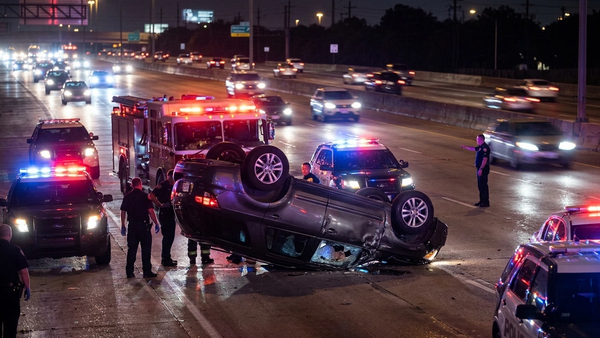
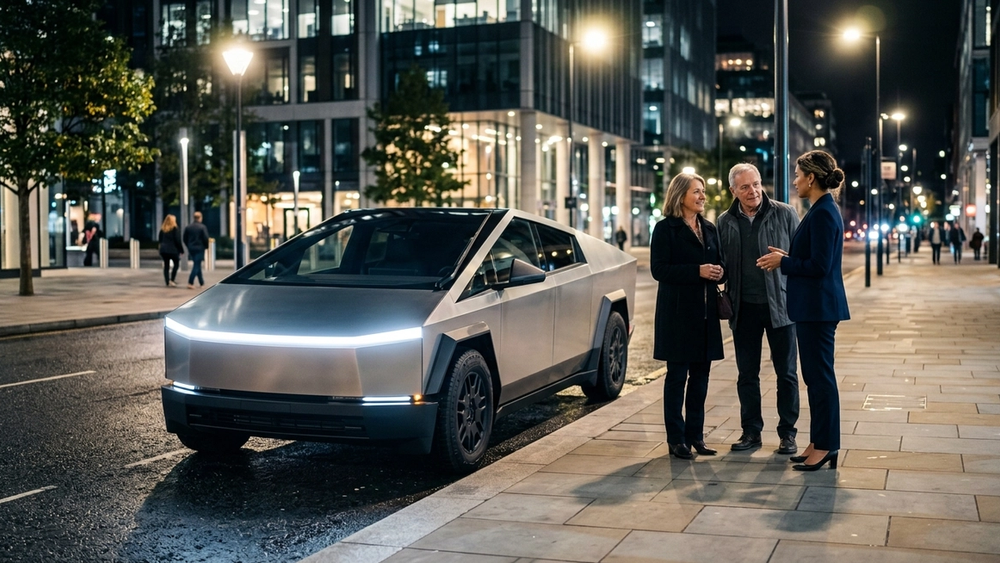
The National Highway Traffic Safety Administration (NHTSA) has officially opened a safety probe involving nearly 1,000 Tesla Cybercab vehicles equipped with autonomous driving technology. According to recent reports, the agency is concerned about potential defects in the Full Self-Driving (FSD) software that could lead to unpredictable road behavior in low-visibility conditions. This investigation follows several reported incidents where autonomous features allegedly failed to recognize or respond correctly to environmental hazards, resulting in collisions. This probe adds to the growing list of new federal safety guardrails for self-driving cars designed to protect the public from emerging tech risks. Federal safety experts are now reviewing the operational design domain of the software to determine if a recall is necessary to prevent further harm.
Affected by a Product Liability Issue?
Our specialized tool can help you estimate the potential worth of your case based on current laws and precedents.
Determining Liability for Autonomous Vehicle Failures
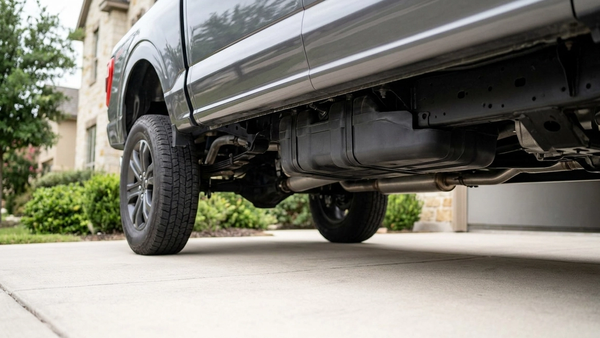
When a self-driving vehicle like the Cybercab causes an accident, the legal landscape shifts from traditional driver negligence to complex product liability. Manufacturers may be held strictly liable if a software defect or hardware failure makes the vehicle unreasonably dangerous for consumer use. This is not the first time Tesla's technology has come under federal scrutiny; previous actions include a Tesla suspension failure NHTSA investigation probe and lawsuits regarding door malfunctions during emergencies. Attorneys will evaluate whether the FSD system was marketed as more capable than its actual limitations, potentially creating a "failure to warn" claim under standard product liability theories. If a system is found to be defective, the manufacturer is typically responsible for the resulting damages regardless of the driver's intent.
Critical Steps for Victims of Self-Driving Car Crashes
If you are involved in a collision with an autonomous vehicle, the first priority is securing medical attention and documenting the scene as thoroughly as possible. It is vital to preserve any data logs or video footage the vehicle might have captured, as these digital records are often the key evidence in high-tech liability cases. You should avoid providing recorded statements to insurance adjusters until you have evaluated the technical specifics of your matter with a professional. To understand the potential financial impact of your injuries, you can use our free case calculator to estimate your potential claim value. Furthermore, understanding the personal injury lawsuit timeline can help you manage expectations, as litigation involving experimental technology often requires extensive expert testimony and discovery.
Understanding Your Potential Recovery and Damages
Compensation for injuries caused by defective automotive technology can be substantial, covering a wide range of economic and non-economic losses. Victims may recover for immediate medical expenses, lost wages, and permanent disability, as well as general damages like pain and suffering. In cases where a manufacturer is found to have ignored known safety risks or bypassed federal safety regulations, punitive damages might be awarded to punish the company and deter future negligence. Factors such as the severity of the injury, the age of the victim, and the clarity of the software defect significantly influence the final settlement range. Calculating these amounts accurately requires a deep dive into future care costs and vocational impacts caused by the accident.
Federal Safety Standards and Product Liability Laws
The NHTSA maintains strict safety standards that all manufacturers must follow to ensure their vehicles are safe for public roads. When autonomous systems fail to meet these standards, state-level product liability statutes dictate how a victim can pursue a lawsuit against the automaker. These laws often require proving that the product had a design defect, a manufacturing flaw, or inadequate safety warnings. It is also critical to adhere to the statute of limitations for injury claims, which varies by state and provides a strict legal deadline for filing your case. Missing this window can permanently bar you from seeking justice, regardless of how clear the manufacturer's fault may be.
Find Out What Your Tesla Cybercab Case is Worth
Navigating a lawsuit against a massive tech giant like Tesla requires specialized knowledge of both automotive law and software liability. Our team provides the resources necessary to help you determine if you have a valid claim and what that claim might be worth in today’s legal market. Do not let complex technical jargon or aggressive insurance tactics prevent you from receiving the full compensation you deserve for your injuries. Take the first step toward justice by using our free product liability evaluator to review your options and calculate your potential recovery. Whether you were a passenger in a Cybercab or a motorist struck by one, you have the right to hold negligent manufacturers accountable for the safety of their technology.
Disclaimer: This blog post is for informational purposes only and does not constitute legal advice. For specific legal guidance regarding your situation, please consult with a qualified attorney.