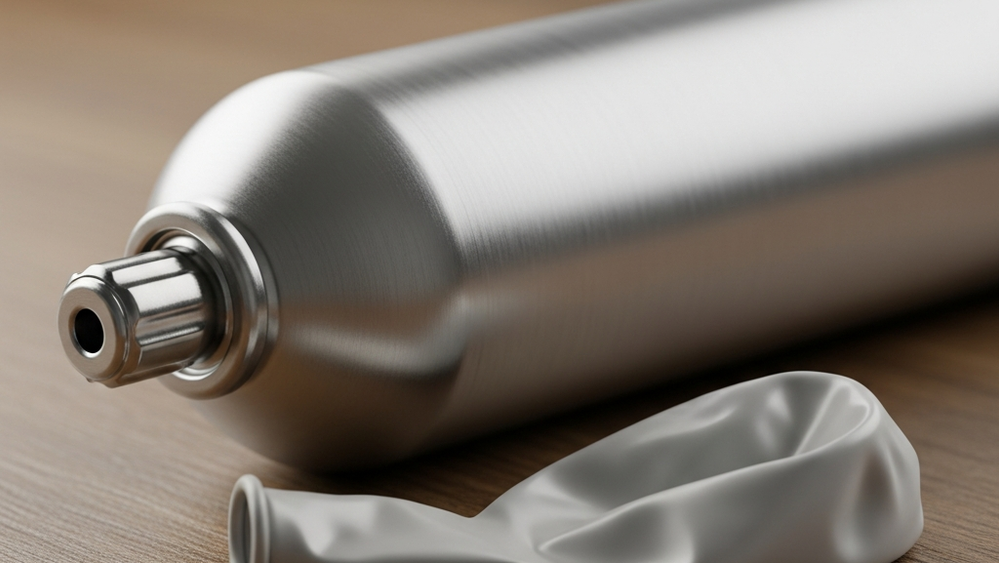
Rising Toll of Whippet Abuse Sparks National Ban Proposal
New legislation is being introduced to halt the retail sale of nitrous oxide canisters, commonly known as "whippets," following a surge in neurological injuries and fatalities. These small chargers, traditionally intended for culinary use in whipped cream dispensers, are increasingly being diverted for recreational inhalation. According to recent reports, the move comes as health officials and grieving families sound the alarm over the ease with which minors can access these dangerous gases at convenience stores and online. Advocates for the bill argue that current age-restriction laws are insufficient to prevent the permanent spinal cord damage and respiratory failure associated with chronic misuse. The proposed ban targets the retail availability of these canisters to curb a growing public health crisis.
Affected by a Product Liability Issue?
Our specialized tool can help you estimate the potential worth of your case based on current laws and precedents.
Identifying Fault in Nitrous Oxide Distribution Chains
From a legal perspective, liability in nitrous oxide cases often hinges on the theory of product liability, specifically involving a failure to warn or defective marketing practices. Manufacturers and retailers may be held responsible if they knew, or should have known, that their products were being sold specifically for recreational abuse rather than their intended culinary purpose. Determining who to sue in a product liability case can include everyone from the initial producer to the retail outlet that failed to verify the buyer's intent. If a company markets culinary gas in a way that appeals to recreational users, they may face significant exposure for the resulting medical crises. Lawyers are increasingly looking at how these products are placed on shelves and advertised to young demographics.
Actionable Steps for Victims of Nitrous Oxide Harm
If you or a loved one has suffered neurological damage after using these products, the first priority is seeking specialized medical care to document the extent of the spinal or brain injury. It is critical to preserve any remaining canisters, packaging, or receipts as evidence for a potential legal claim against the seller. You should also consult with a legal professional who understands the nuances of nitrous oxide paralysis claims and the evolving legislation surrounding these devices. To understand the potential scope of your recovery, you can use our free case calculator to estimate your claim's value. Early documentation of symptoms like tingling, numbness, or loss of motor function is essential for building a successful case against negligent distributors.
Recovering Damages for Permanent Neurological Damage
Settlements in cases involving whippet-related injuries often reflect the lifelong nature of the damages, such as paralysis or severe cognitive impairment. Victims may recover economic damages for past and future medical expenses, including intensive physical therapy and necessary home modifications. Non-economic damages, such as pain and suffering or loss of quality of life, also play a major role in these complex valuations. Understanding legal damages is vital, as punitive damages might also be available if it is proven that a retailer acted with gross negligence or a willful disregard for consumer safety. Because these injuries often affect young adults, the calculation of lost future earnings can significantly increase the total settlement amount.
Navigating Product Liability and Consumer Safety Laws
The legal landscape for nitrous oxide is governed by strict product liability standards that require products to be safe for their intended use. Federal agencies like the U.S. Food and Drug Administration monitor medical gases, but retail chargers often fall into a regulatory grey area that this new bill seeks to close. Families of those who have passed away may pursue justice through wrongful death statutes, which vary significantly depending on the state where the incident occurred. It is also worth noting that the Consumer Product Safety Commission provides guidelines on hazardous substances that can bolster a claim of negligence against a manufacturer. These legal frameworks are essential for establishing that a company failed in its duty of care to the public.
Take the First Step Toward Legal Accountability
Navigating the complexities of a mass tort or individual product liability lawsuit requires professional guidance to ensure no deadlines or critical pieces of evidence are missed. Whether you are dealing with a permanent disability or the loss of a family member, our team is here to help you understand your rights under current and emerging laws. Our resources are designed to provide clarity during difficult times, such as when Galaxy Gas injury lawsuits move forward in the courts. By holding negligent companies accountable, victims can secure the financial support needed for long-term care and help prevent others from suffering similar harm. Use our free case evaluator today to find out what your claim might be worth.
Disclaimer: This blog post is for informational purposes only and does not constitute legal advice. For specific legal guidance regarding your situation, please consult with a qualified attorney.