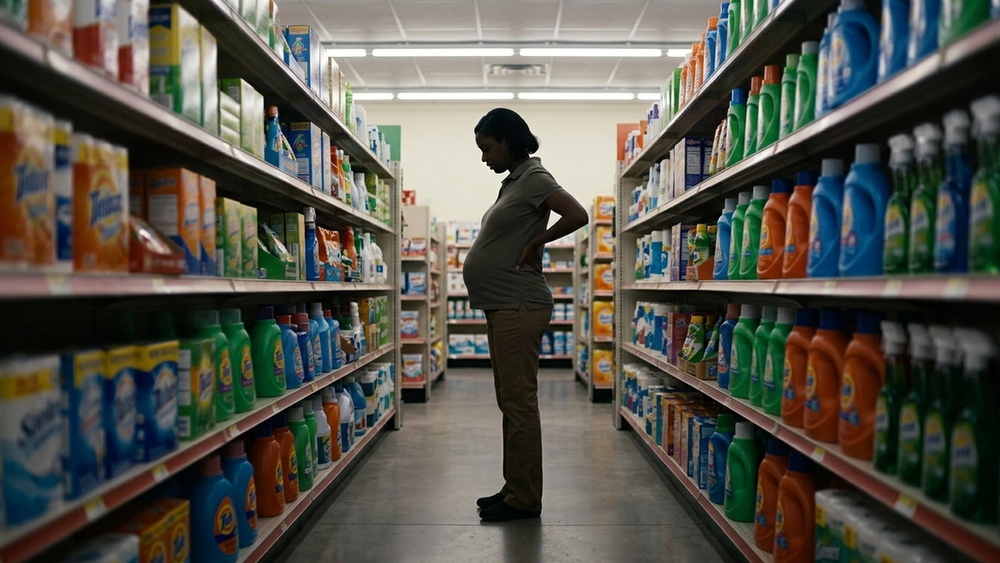
Family Dollar Sued for Denying Pregnancy Accommodations
The U.S. Equal Employment Opportunity Commission (EEOC) has officially filed a lawsuit against Family Dollar Stores of North Carolina, alleging significant violations of the Pregnant Workers Fairness Act (PWFA). According to recent reports, the discount retailer allegedly failed to provide reasonable accommodations to a pregnant employee and subsequently terminated her employment. The complaint suggests that the worker requested simple modifications to her duties to ensure a healthy pregnancy, which the company reportedly denied despite new federal mandates. This legal action highlights a growing focus on corporate compliance with maternal health protections in the retail sector. As the case moves through the federal court system, it serves as a warning to other employers regarding the strict requirements for accommodating expectant mothers.
Affected by a Employment Law Issue?
Our specialized tool can help you estimate the potential worth of your case based on current laws and precedents.
Analyzing Employer Obligations Under the PWFA
Employer liability in this case centers on the failure to engage in the interactive process required by the PWFA. When an employee discloses a pregnancy-related limitation, the employer is legally obligated to explore reasonable accommodations that do not impose an undue hardship on business operations. In the Family Dollar instance, the refusal to adjust duties likely constitutes a direct breach of federal civil rights protections. If a company terminates an employee shortly after they request such accommodations, it may also face claims of illegal retaliation. Establishing liability requires proving that the employer knew of the pregnancy and consciously chose to ignore medical necessity or statutory requirements. Legal experts often look for patterns of internal communication that show a disregard for the employee’s health and rights.
How to Protect Your Rights After Workplace Bias
If you believe you are experiencing similar bias, documenting every interaction with human resources and your direct supervisors is the most critical step. You should keep a detailed log of all accommodation requests made and the specific reasons given for any denials you receive. It is also important to understand the process of proving discrimination under federal law to build a strong foundation for your claim. Before taking formal legal action, you can use our free case calculator to estimate the potential value of your matter. Securing copies of your performance reviews and medical notes will help ensure that your side of the story is supported by objective evidence. Taking these actions early can significantly improve your chances of reaching a favorable resolution.
Recovering Damages for Pregnancy Discrimination
Victims of pregnancy discrimination may be entitled to various forms of financial recovery, including back pay for lost wages and front pay if reinstatement is not feasible. Compensatory damages often cover emotional distress, loss of enjoyment of life, and the physical toll caused by workplace stress during pregnancy. You should familiarize yourself with your pregnancy discrimination legal rights to ensure you are seeking the full spectrum of available damages. In cases where an employer’s conduct is found to be especially egregious or malicious, punitive damages may also be awarded to deter future violations. Settlement ranges vary widely based on the severity of the economic loss and the strength of the evidence presented against the employer. Our data shows that cases involving clear PWFA violations often result in substantial recoveries for affected workers.
Federal Protections for Pregnant Employees
The legal landscape for expectant workers shifted dramatically with the implementation of the Pregnant Workers Fairness Act, which closed gaps left by previous statutes. This law works in tandem with Title VII of the Civil Rights Act and the Family and Medical Leave Act (FMLA) to provide a comprehensive shield for mothers. Under the FMLA, many workers are also entitled to protected leave, though the PWFA specifically addresses the need for on-the-job adjustments. It is vital to note that statutes of limitations for filing an EEOC charge are strict, often requiring action within 180 or 300 days of the discriminatory event. North Carolina workers must navigate both these federal rules and specific state-level employment regulations when pursuing justice. Understanding these overlapping frameworks is essential for any successful litigation strategy in the employment sector.
Calculate Your Potential Discrimination Claim Value
Navigating the complexities of a federal lawsuit against a major corporation like Family Dollar requires professional insight and accurate valuation. If you have been treated unfairly because of your pregnancy, you do not have to face the legal system alone. This case is similar to other recent actions, such as when the EEOC sued North American Lighting for similar failures to accommodate. We encourage you to use our North Carolina wrongful termination calculator to get an immediate estimate of what your claim might be worth. Our tool is designed to help you understand your rights and the potential financial impact of your specific situation. Taking this first step allows you to move forward with the confidence needed to hold negligent employers accountable for their actions.
Disclaimer: This blog post is for informational purposes only and does not constitute legal advice. For specific legal guidance regarding your situation, please consult with a qualified attorney.