Understanding the California Recreational Use Statute
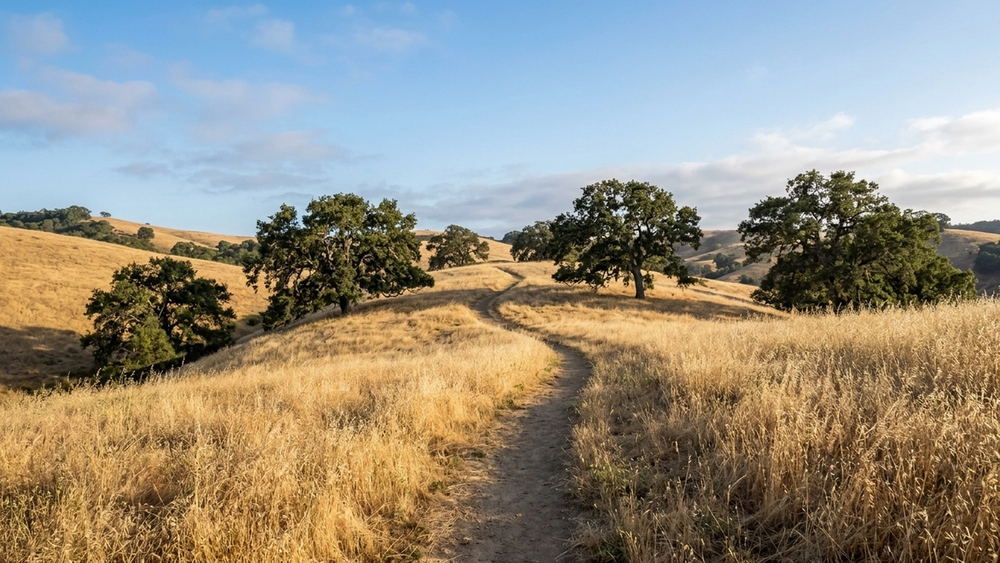
California is a state renowned for its sprawling landscapes, from the rugged coastlines of the Pacific to the high peaks of the Sierra Nevada. Much of this land is privately owned, yet used frequently by the public for hiking, fishing, and exploring. To encourage landowners to keep their property open for these activities, the state legislature enacted California Civil Code Section 846, commonly known as the Recreational Use Statute. This law provides a significant layer of protection for property owners, shielding them from certain types of premises liability claims when an individual is injured while using their land for a recreational purpose without paying a fee.
For an injury victim, this statute can be a formidable hurdle. Under standard premises liability rules, a property owner generally owes a duty of care to ensure their premises are reasonably safe for visitors. However, Section 846 essentially downgrades that duty of care if the visitor is there for recreation and didn't pay to enter. Understanding the nuances of this law is essential for anyone who has been injured on open land in California, as it directly impacts the potential value of a legal claim.
Affected by a Premises Liability Issue?
Our specialized tool can help you estimate the potential worth of your case based on current laws and precedents.
The Legal Definition of a Recreational Purpose
One of the most debated aspects of Civil Code Section 846 is what exactly constitutes a "recreational purpose." The statute provides a non-exhaustive list of activities that fall under this umbrella. These include, but are not limited to, fishing, hunting, camping, water sports, hiking, spelunking, sport parachuting, riding (including animals and vehicles), sightseeing, picnicking, and gleaning.
However, California courts have interpreted this broadly over the decades. The focus is often on the intent of the person entering the land rather than the specific label of the activity. For example, a person walking across a field to reach a hiking trail may be considered engaged in a recreational pursuit. Conversely, if a person enters land for a business purpose—such as a contractor inspecting a fence—they are not there for recreation, and the statute would likely not apply. To understand if your specific activity falls under this protection, you can use our California premises liability calculator to see how the nature of your visit affects your claim.
Who Does the Statute Protect?
Section 846 does not just protect the person whose name is on the deed. The statute explicitly states that an "owner of any estate or any other interest in real property, whether possessory or nonpossessory," owes no duty of care to keep the premises safe for recreational use by others. This includes:
- Fee simple owners (traditional property owners).
- Lessees (individuals or businesses leasing the land).
- Easement holders (such as utility companies with the right to run lines across a property).
- Permit holders.
This broad definition means that if you are injured while dirt biking on a utility easement, the utility company might be able to invoke the Recreational Use Statute even if they don't own the dirt under the tires. The policy behind this is to prevent every entity with an interest in the land from closing it off to the public out of fear of litigation. You can read more about broad liability standards at Cornell Law's Premises Liability Wex page.
The Three Major Exceptions to Immunity
Landowner immunity under Section 846 is powerful, but it is not absolute. There are three critical exceptions where the statute does not apply, and a landowner can be held liable for injuries just as they would in any other premises case. These exceptions are the primary pathways through which victims recover compensation.
1. Willful or Malicious Failure to Guard or Warn
This is the most common exception argued in California courts. The statute does not protect a landowner who acts with a conscious disregard for the safety of others. If a landowner knows of a dangerous, non-obvious condition on the property and fails to warn the public or guard against it, they may lose their immunity. This is a higher legal standard than simple negligence; it requires showing that the owner knew an injury was probable, not just possible.
2. Consideration Paid for Entry
If the landowner charges a fee for the privilege of using the land for recreation, the immunity vanishes. "Consideration" typically means money, but it can occasionally include other forms of value. If you paid for a permit to hunt on private land or paid a fee to access a private swimming hole, the owner owes you a full duty of care to maintain a safe environment.
3. Express Invitation to Enter
The statute distinguishes between "permission" and "invitation." If a landowner merely allows people to use their land (permission), they are protected. However, if they specifically and expressly invite a person to enter (an invitation), they take on the responsibility for that person's safety. This often comes into play when a landowner invites a specific group or individual for a specific event.
Proving Willful and Malicious Conduct
To overcome the Recreational Use Statute via the "willful or malicious" exception, a plaintiff must satisfy a three-part test established by California case law. Simple negligence—such as forgetting to fix a hole in the ground—is not enough. The victim must prove:
- Actual or Constructive Knowledge: The landowner knew about the hazard (like a hidden mine shaft or a downed live wire).
- Conscious Disregard: The owner understood that injury was the probable result of the hazard.
- Failure to Act: The owner made no attempt to warn or guard against the danger.
For example, if a landowner sets a "booby trap" to deter trespassers and a recreational hiker is injured, that is clearly willful and malicious. More subtly, if an owner knows that a bridge on their property is structurally unsound and likely to collapse under a person's weight, yet they place no warning signs, a court may find their conduct malicious enough to waive immunity. This mirrors the high standards often seen in NY sidewalk liability cases, where specific knowledge of a defect is critical to the case.
The Difference Between Permission and Express Invitation
This is one of the most technical areas of the law. If a landowner puts up a sign that says "Public Welcome to Hike," is that an express invitation? Generally, California courts have said no. That is considered a general grant of permission to the public at large. An express invitation usually requires a direct communication between the landowner and the individual or a small, specific group.
If you are a friend of the landowner and they say, "Hey, come over this Saturday to fish in my pond," that is an express invitation. In that scenario, the landowner cannot use Section 846 as a defense if you slip on a rotted dock that they knew was dangerous. The distinction serves to protect landowners from accidental liability while ensuring that when they take an active role in bringing people onto the land, they remain responsible for basic safety. Information on federal recreation policies can be found through the National Park Service.
Why Payment Changes the Legal Landscape
The "consideration" exception is based on a simple trade-off. The state wants to provide a benefit to landowners (immunity) in exchange for a benefit to the public (free recreation). When a landowner starts making money off the access, they are running a business. At that point, the public policy reason for the immunity disappears.
It is important to note that the fee must be for entry. If a landowner allows you to hike for free but charges you for a souvenir or a map once you are already on the property, they might still be protected by the statute. However, if the fee is a prerequisite for crossing the property line, the standard of care reverts to the traditional "reasonable person" standard. This transition from immunity to liability is a major factor in determining case value.
Public Property vs. Private Property
While Civil Code Section 846 applies to private landowners, public entities (cities, counties, and the state) have their own set of protections. Government Code Section 831.7 provides similar immunity for "hazardous recreational activities" on public land. However, the rules for suing a government entity are much stricter and involve shorter deadlines under the California Tort Claims Act.
If you are injured on public land, such as a state park, the government might be immune even if they were negligent, provided the activity was deemed "hazardous" (like rock climbing or mountain biking). For victims, identifying whether the land is private or public is the first step in any legal investigation. Detailed overviews of these statutes are available via Justia.
Impact of Section 846 on Case Valuation
When a lawyer evaluates a premises liability case in California, the first question they ask is: "Does a statute bar the claim?" If Section 846 applies, the value of the case could drop to zero unless one of the exceptions can be proven. Because the burden of proof for "willful or malicious" conduct is so high, many cases that would be successful on suburban property fail on rural, recreational land.
However, if an exception does apply, the case value is determined by the standard factors: medical bills, lost wages, and pain and suffering. If a victim can prove a landowner was malicious, they may even be eligible for punitive damages, which are designed to punish the defendant and deter similar conduct in the future. Calculating these complex variables is why professional case evaluations are so critical for injury victims.
Evidence Needed to Overcome the Statute
To beat a Recreational Use Statute defense, you need more than just your testimony. You need a paper trail or physical evidence that proves the landowner knew about the danger. This evidence often includes:
- Prior Incident Reports: Evidence that other people were injured by the same hazard.
- Maintenance Records: Proof that the owner identified a problem but chose not to fix it.
- Photographs: Documentation of the hazard, especially if it was hidden or lacked warning signs.
- Witness Testimony: Statements from neighbors or former employees who can testify to the owner's knowledge of the danger.
In many cases, an investigator or an expert in land management is needed to testify about the standard of care and whether the owner's failure to act rose to the level of "willful or malicious."
Comparative Negligence in Recreational Injuries
Even if you overcome the immunity of Section 846, you still have to contend with the doctrine of comparative negligence. In California, if you are partially at fault for your own injury, your total recovery is reduced by your percentage of fault. In recreational settings, this is a common defense. If a hiker was distracted by their phone or was venturing off-trail into clearly dangerous terrain, the landowner will argue that the hiker's own choices were the primary cause of the accident.
This doesn't bar recovery entirely, but it does mean that a $100,000 claim might result in a $50,000 check if the victim is found 50% at fault. This is consistent with comparative negligence rules found across many states.
Steps to Take After a Recreational Injury
If you or a loved one is injured while hiking, camping, or engaging in other outdoor activities on land that might be private, the steps you take in the first few hours are vital. Because nature changes quickly, evidence can disappear within days.
- Seek Medical Attention: Your health is the priority, and medical records serve as the primary evidence of your injuries.
- Document the Scene: If possible, take photos of the exact location where you were injured. Look for any signs, or the conspicuous lack thereof.
- Identify the Landowner: Check maps or local records to see if the land is private, utility-owned, or government-owned.
- Note Any Fees: Keep receipts or records of any payments made to enter or use the land.
- Speak with a Legal Professional: Because Section 846 is so complex, getting an early evaluation can help you determine if your case is worth pursuing.
Conclusion: Navigating Landowner Immunity
The California Recreational Use Statute is a double-edged sword. While it succeeds in its goal of keeping California’s beautiful private lands open to the public, it also leaves many injury victims without a clear path to recovery. However, the law is not a blanket shield. Landowners who act with malice, who charge for entry, or who personally invite guests onto their property remain liable for the safety of those individuals.
If you have been injured on recreational land, don't assume that the statute bars your claim. The difference between "negligence" and "willful conduct" is often found in the details of the evidence. To understand where your situation stands and what your potential claim could be worth, we encourage you to use our premises liability calculator for a free, no-obligation evaluation of your case value today.
Disclaimer: This blog post is for informational purposes only and does not constitute legal advice. For specific legal guidance regarding your situation, please consult with a qualified attorney.