Bard G2 IVC Filter Lawsuit Alleges Dangerous Aortic Puncture
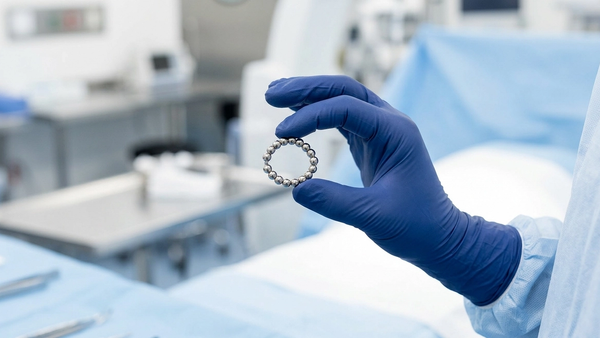
According to recent reports, a new product liability lawsuit has been filed against C.R. Bard, alleging that a G2 IVC filter migrated and eroded through the wall of a patient's inferior vena cava. This erosion reportedly resulted in a life-threatening injury to the patient's aorta, necessitating complex medical interventions to prevent fatal internal bleeding. IVC filters are small, spider-like devices designed to catch blood clots before they reach the lungs, but patients are increasingly reporting that these devices break or move over time. The plaintiff in this case asserts that the device was defectively designed and that the manufacturer failed to provide adequate warnings regarding these specific risks. This case highlights the ongoing safety concerns surrounding retrievable filters and the devastating internal damage they can cause when they fail to remain in place.
Affected by a Product Liability Issue?
Our specialized tool can help you estimate the potential worth of your case based on current laws and precedents.
Investigating Manufacturer Fault for Internal Device Erosion
When a medical device like the Bard G2 filter causes internal organ damage, the legal focus shifts toward whether the manufacturer adhered to strict safety standards. Under the theory of strict liability, manufacturers may be held responsible for injuries caused by design defects or manufacturing flaws that make the product unreasonably dangerous. In this instance, the core of the argument is that the legs of the filter are prone to fatigue and fracturing, which allows them to penetrate the vein walls and strike neighboring organs like the aorta. Additionally, legal teams evaluate whether the company suppressed data or failed to update warning labels even after learning about similar complications in other patients. Proving these elements is critical for holding a corporation accountable for putting profits over patient safety.
Protecting Your Health and Legal Rights After Device Failure
If you or a loved one has been implanted with a retrievable filter, the first step is to seek a medical evaluation to ensure the device has not tilted, migrated, or fractured. It is essential to maintain a detailed log of all symptoms, including chest or back pain, and keep copies of all imaging results like CT scans or X-rays. Understanding your legal options for medical device failures early can help preserve evidence that may be necessary for a future claim. Documentation of every surgery or revision procedure is a vital part of building a strong case for compensation. You can also use our free case calculator to estimate the potential value of your legal claim based on your specific injuries.
Potential Damages for Victims of Defective IVC Filters
Victims who suffer aortic injuries or vena cava perforations due to a defective filter may be entitled to a wide range of damages to cover the resulting financial and physical toll. This includes coverage for past and future medical expenses, especially since many patients require multiple high-risk surgeries to remove broken device fragments. Settlement values are often influenced by the severity of the injury and the degree of permanent disability or pain and suffering the victim experiences. According to legal standards for products liability, compensation can also include lost wages if the injury prevented the individual from returning to work. Evaluating these factors with professional tools can give you a better understanding of what a fair settlement might look like in your situation.
Federal Regulations and Statutes of Limitations for Device Claims
Medical device manufacturers are required to follow strict guidelines set by the government, including the Medical Device Reporting (MDR) requirements, which mandate the disclosure of device-related injuries. These federal regulations are designed to alert the public to hazards, but when they are ignored, legal action becomes necessary to protect patients. Similar issues have led to other litigation, such as Cook IVC filter complications, which follow comparable legal frameworks regarding design failures. It is important to remember that every state has a statute of limitations, which is a strict deadline for filing a lawsuit. Missing this deadline could permanently bar you from seeking recovery, making it vital to act as soon as you discover an injury.
Find Out What Your IVC Filter Case Is Worth
Taking the first step toward justice involves understanding the legal landscape and the true value of your suffering. Our free case evaluation tool is designed to help victims navigate the complexities of product liability by providing a clear estimate of their potential recovery. Whether you are dealing with a Bard, Cook, or other medical implant failure, you do not have to face the legal process alone. By inputting your specific details into our product liability calculator, you can gain the insight needed to make informed decisions about your future. Do not let a manufacturer’s negligence go unchallenged—check your case value today and start the journey toward the compensation you deserve.
Disclaimer: This blog post is for informational purposes only and does not constitute legal advice. For specific legal guidance regarding your situation, please consult with a qualified attorney.