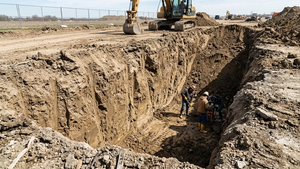
OSHA Slams Union Pacific Over Illegal Weather Termination
The U.S. Department of Labor recently concluded a significant investigation into Union Pacific Railroad Co. regarding the unlawful firing of an employee in Little Rock, Arkansas. According to recent reports from OSHA, the worker was terminated after refusing to perform duties during severe weather conditions that posed a life-threatening safety risk. The investigation found that the railroad giant violated the Federal Railroad Safety Act (FRSA), which protects employees from retaliation when they raise legitimate safety concerns. This case highlights a disturbing trend of corporate interests being prioritized over the physical well-being of the workforce. Whistleblower protections are essential in the rail industry, where environmental conditions can rapidly create lethal work environments.
Affected by a Employment Law Issue?
Our specialized tool can help you estimate the potential worth of your case based on current laws and precedents.
Understanding Employer Liability for Safety Retaliation
In cases of illegal termination following a safety-related work refusal, the employer often bears significant legal liability for violating federal and state statutes. When a company like Union Pacific disregards a worker's reasonable fear of injury or death due to hazardous weather, they breach the duty of care owed to their staff. Legal theories in these scenarios center on "retaliatory discharge," where an employer punishes a worker for exercising a protected legal right. It is important to distinguish between wrongful termination vs. unfair firing to understand the strength of a potential lawsuit against a major carrier. Courts examine whether the safety concern was objective and if the reporting followed established protocols before the company took adverse action.
Essential Steps for Workers Facing Illegal Retaliation
If you find yourself pressured to work in dangerous conditions, immediate documentation is your most powerful tool for a future claim. Keep a detailed log of weather reports, internal communication with supervisors, and any physical evidence of the hazard you were asked to face. You should also report the incident to federal agencies immediately, as being fired for reporting safety violations triggers specific protections that have strict filing deadlines. Seeking professional legal guidance early can prevent mistakes that might jeopardize your ability to recover lost income or benefits. You can use our free case calculator to get an initial estimate of what your claim might be worth based on your specific career history and lost wages.
Calculating Damages in Railroad Whistleblower Settlements
Compensation for illegal termination in the railroad industry can be substantial, often including back pay with interest and damages for emotional distress. Under the Federal Railroad Safety Act, victims may be entitled to "make-whole" relief, which aims to restore the employee to the position they would have held if the firing had never occurred. This recovery can include the restoration of seniority, health benefits, and pension contributions that were lost during the period of unemployment. In cases where the employer's conduct was particularly egregious, such as the Union Pacific San Antonio case, punitive damages may be awarded to deter future violations. Understanding your rights to these damages is critical for setting realistic settlement expectations during legal negotiations.
The Federal Statutes Protecting Railroad Employees
Railroad workers are protected by an array of federal laws designed to ensure that safety remains the top priority in a high-risk industry. OSHA enforces over 20 whistleblower statutes that protect employees who report workplace hazards or refuse dangerous work. Specifically, 49 U.S.C. § 20109 prevents railroad carriers from discriminating against employees who report a safety hazard or refuse to work under hazardous conditions. These laws require victims to act quickly, as many administrative complaints must be filed within 180 days of the retaliatory act. For more detailed information on how these protections work at the federal level, you can review the DOL whistleblower guidelines to understand the process for filing a formal complaint.
Find Out What Your Wrongful Termination Case Is Worth
Taking a stand against a massive corporation can feel like an impossible battle, but you have the right to hold them accountable for illegal retaliation. If you have been fired for prioritizing your safety or reporting a hazardous work environment, you may be entitled to significant financial compensation for your losses. Our free case evaluator tool is designed to help you understand the potential value of your claim based on your specific job title and earnings. Don't let an employer's illegal actions destroy your financial stability without seeking the justice you deserve under federal law. Try our Arkansas wrongful termination calculator today to take the first step toward securing your recovery and protecting your career.
Disclaimer: This blog post is for informational purposes only and does not constitute legal advice. For specific legal guidance regarding your situation, please consult with a qualified attorney.