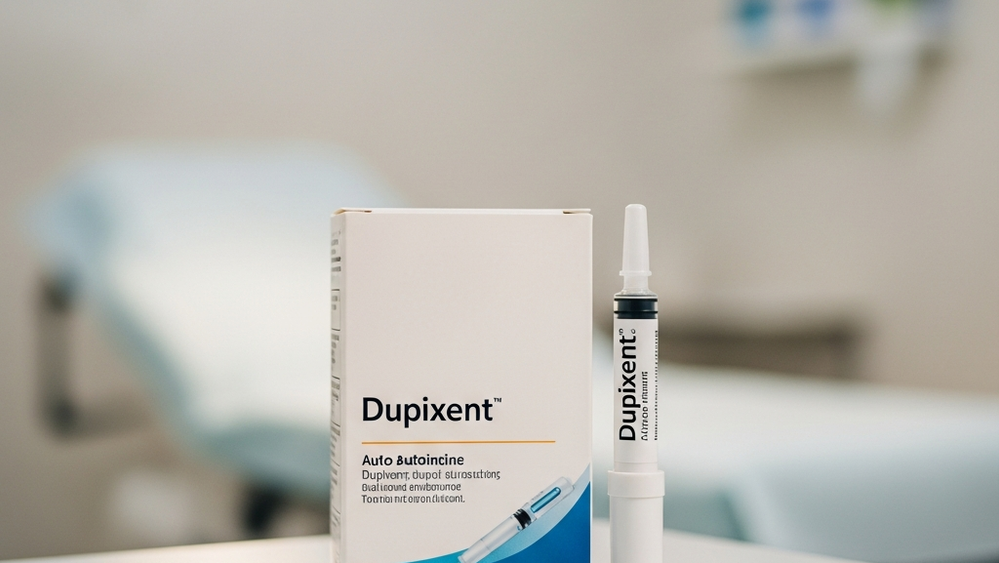
Dupixent Linked to Rare T-Cell Lymphoma Diagnosis
A recent product liability lawsuit has emerged against the manufacturers of Dupixent, alleging that the medication caused a patient to develop Mycosis Fungoides. According to recent reports, the plaintiff claims that the injectable drug, widely used for eczema and asthma, triggered this rare form of T-cell lymphoma. This diagnosis is particularly distressing as patients often rely on the drug for long-term management of chronic skin conditions. The legal community is closely monitoring these developments as more individuals come forward with similar health complications after using the medication. Such cases highlight the ongoing risks associated with pharmaceutical advancements and the importance of post-market safety surveillance.
Affected by a Product Liability Issue?
Our specialized tool can help you estimate the potential worth of your case based on current laws and precedents.
Pharmaceutical Manufacturers' Duty to Warn of Risks
Product liability laws require drug manufacturers to provide adequate warnings about potential side effects to both doctors and patients. In this Dupixent litigation, the core argument centers on the theory of "failure to warn," suggesting that the risks of Mycosis Fungoides were not properly disclosed to the public. If the manufacturers knew or should have known about the link to T-cell lymphoma, they may be held strictly liable for the resulting health injuries. Establishing liability often involves complex scientific evidence and expert testimony regarding the drug's mechanism of action and its impact on the immune system. Legal experts suggest that if a causal link is proven, the financial responsibility for medical treatment and suffering will fall squarely on the pharmaceutical companies involved.
Essential Actions After a Dupixent-Related Diagnosis
If you or a loved one developed a serious skin condition or cancer after taking this medication, it is vital to preserve all medical records and pharmacy receipts. You should also consult with a medical professional to document the progression of your symptoms and any official diagnosis related to T-cell lymphoma. Understanding how pharmaceutical class actions work can help you navigate the complexities of multi-district litigation effectively. It is also helpful to stay informed on the Dupixent cancer lawsuit MDL status as courts consider consolidating these claims for trial. Before speaking with insurance adjusters, use our free case calculator to understand the potential scope of your legal claim.
Recoverable Damages for Victims of Dangerous Drugs
The potential settlement value for a pharmaceutical injury case depends heavily on the severity of the diagnosis and the long-term impact on the victim's life. Damages in these cases typically include reimbursement for past and future medical expenses, such as chemotherapy or specialized oncology care. Plaintiffs can also seek compensation for lost wages if their illness prevented them from working or forced a permanent career change. Non-economic damages, like pain and suffering or loss of quality of life, often constitute a significant portion of the final award in cancer-related litigation. In rare instances where a company's conduct is found to be particularly egregious, punitive damages may be awarded to deter future corporate negligence.
The Complex Legal Standards of Product Liability
Claims involving dangerous drugs are governed by strict liability standards, meaning the manufacturer is responsible if the product is found to be defective. The Food and Drug Administration oversees the safety profiles of medications, but FDA approval does not necessarily shield companies from civil lawsuits regarding unforeseen side effects. Victims must also be mindful of the statute of limitations, which varies by state and dictates the strict deadline for filing a claim. Understanding the nuances of product liability law is essential for proving that a medication was unreasonably dangerous for its intended use. Because these cases involve specialized scientific evidence, having a grasp of federal preemption and state tort requirements is critical for a successful outcome.
Take the First Step Toward a Medical Settlement
Navigating a cancer diagnosis is overwhelming, but you do not have to fight for justice on your own against major pharmaceutical corporations. Our legal team is dedicated to helping victims of pharmaceutical negligence secure the compensation they deserve for their medical bills and emotional distress. By taking action today, you can hold large corporations accountable for the safety of the products they market to vulnerable patients. We encourage you to use our free product liability case evaluator to get an immediate estimate of what your claim might be worth. Start your journey toward recovery and let us help you understand your legal options for a fair settlement today.
Disclaimer: This blog post is for informational purposes only and does not constitute legal advice. For specific legal guidance regarding your situation, please consult with a qualified attorney.