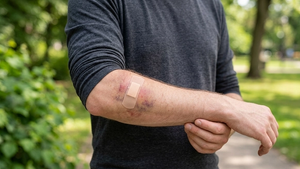
Experts Urge Biopsies to Screen for Dupixent Cancer Risks
Medical experts are now sounding the alarm regarding potential links between the popular medication Dupixent and certain types of skin cancer. According to recent reports, specialists are recommending that patients undergo thorough skin biopsies before beginning treatment with this injectable drug. The primary concern involves the risk of T-cell lymphoma, specifically mycosis fungoides, which can sometimes be misdiagnosed as the very eczema the drug is intended to treat. This proactive screening is vital to ensure that underlying malignancies are not exacerbated by the medication’s effect on the immune system. As more data emerges, the push for clearer warnings on the drug's label has intensified within the medical and legal communities.
Affected by a Product Liability Issue?
Our specialized tool can help you estimate the potential worth of your case based on current laws and precedents.
Evaluating Manufacturer Responsibility for Undisclosed Risks
From a legal perspective, the failure to warn patients about severe side effects like T-cell lymphoma is a cornerstone of california-strict-product-liability-greenman-doctrine and similar statutes across the country. Manufacturers have a non-delegable duty to provide adequate warnings so that physicians and patients can make truly informed decisions regarding their healthcare. If pharmaceutical companies knew or should have known about these cancer risks but failed to update their labeling, they may be held liable for resulting damages under the theory of failure to warn. Determining whether the drug directly caused or accelerated the progression of cancer requires extensive expert testimony and clear medical documentation. Victims often seek justice through product liability claims to address these dangerous oversights.
Immediate Actions for Patients Concerned About Cancer Risks
If you or a loved one has been diagnosed with lymphoma after using this medication, the first step is to seek a comprehensive medical evaluation and a second opinion from an oncologist. Document every symptom, the duration of your prescription, and any medical advice you received regarding pre-treatment screenings or skin biopsies. You should also preserve the original packaging and any medical records that detail your skin condition before starting the drug to show the baseline of your health. It is highly beneficial to use our free product liability calculator to understand the financial impact of your medical bills and potential future care. Additionally, familiarizing yourself with how-to-document-defective-product-claim-maximum-recovery can help you build a stronger foundation for a potential legal claim.
Understanding Damages and Potential Settlement Values
Compensation in pharmaceutical litigation typically covers a broad spectrum of economic and non-economic losses designed to make the victim whole again. Victims may recover costs for past and future medical treatment, including specialized oncology care, chemotherapy, and any necessary revision surgeries. Non-economic damages, such as pain and suffering, emotional distress, and loss of quality of life, often make up a significant portion of product-liability-settlements-compensation-guide. In cases involving egregious negligence or the intentional suppression of safety data, punitive damages might also be awarded. The total value of a claim is heavily influenced by the severity of the cancer diagnosis and the clarity of the causal link to the medication.
Federal Regulations and Strict Liability Standards
The FDA oversees the approval and monitoring of prescription drugs, but regulatory approval does not shield a company from liability if they fail to disclose known hazards. Under the doctrine of strict liability, a manufacturer can be held responsible for a defective product regardless of their intent if the product was unreasonably dangerous as sold. Statutes of limitations for these claims vary significantly by state, making it crucial to understand the statute-of-limitations-handbook-injury-deadlines-by-state to avoid losing your right to seek compensation. Many of these cases are currently being reviewed for consolidation into Multidistrict Litigation (MDL) to streamline the discovery process. Legal standards for drug safety can be further explored through resources like Cornell Law School.
Take Control of Your Legal Recovery Today
Navigating a complex pharmaceutical lawsuit against a multi-billion dollar corporation requires dedicated resources and professional guidance at every step. You do not have to face this challenge alone, especially when your health and financial stability have been compromised by a defective drug. Our platform is designed to provide you with the information and tools necessary to evaluate the strength of your potential claim quickly and privately. By taking a few moments to use our product liability case evaluator, you can receive a data-driven estimate of what your case might be worth. Do not wait until a strict legal deadline passes; reach out today to discover how you can hold negligent manufacturers accountable for the harm they have caused.
Disclaimer: This blog post is for informational purposes only and does not constitute legal advice. For specific legal guidance regarding your situation, please consult with a qualified attorney.