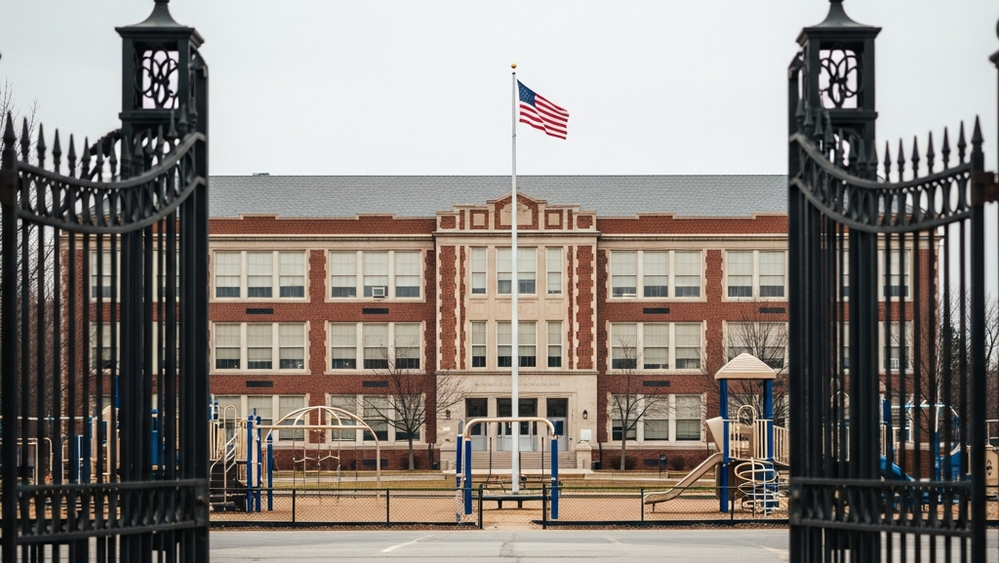
Introduction: The Thin Line Between Discipline and Discrimination
School discipline is a necessary component of maintaining a safe and productive learning environment. However, when disciplinary actions are applied inconsistently based on a student’s race, gender, disability, or religion, it ceases to be "discipline" and becomes a violation of federal civil rights law. For parents and students, distinguishing between a strict school policy and illegal discrimination is the first step toward seeking justice. Educational institutions that receive federal funding are bound by strict statutes to ensure that every student is treated with equity and respect.
Unequal punishment can take many forms, from harsher suspensions for minority students to the failure to accommodate behavioral challenges arising from a disability. When these violations occur, the impact on a student’s life can be devastating, leading to academic setbacks, psychological trauma, and what experts call the "school-to-prison pipeline." If you believe your child has been targeted by biased disciplinary practices, you may have a valid legal claim. Understanding the nuances of these cases is essential for navigating the complex intersection of education law and civil rights.
Affected by a Civil Rights Issue?
Our specialized tool can help you estimate the potential worth of your case based on current laws and precedents.
The Legal Framework: Title VI, Title IX, and Section 504
The foundation of student civil rights rests on several key federal laws. These statutes are designed to prevent schools from using their authority to marginalize specific groups of students. The most prominent among these are:
- Title VI of the Civil Rights Act of 1964: This landmark law prohibits discrimination on the basis of race, color, or national origin in any program or activity receiving federal financial assistance. Most public and private schools are subject to Title VI requirements. The Equal Protection Clause of the Fourteenth Amendment also provides a constitutional basis for challenging state-run educational entities.
- Title IX of the Education Amendments of 1972: While often associated with sports, Title IX prohibits discrimination based on sex in education. This includes unequal disciplinary actions for students based on their gender or gender identity.
- Section 504 of the Rehabilitation Act and the Americans with Disabilities Act (ADA): These laws protect students with physical or mental impairments. Schools are required to provide reasonable accommodations and cannot punish a student for behaviors that are a direct manifestation of their disability. Guidance on Title II of the ADA specifically outlines the responsibilities of public entities, including schools, in maintaining accessibility and fairness.
Recognizing Disparate Treatment vs. Disparate Impact
In civil rights litigation, courts typically look at two types of discrimination: disparate treatment and disparate impact. Disparate treatment occurs when a school intentionally treats a student differently because of a protected characteristic. For example, if two students—one white and one Black—engage in the same verbal altercation but only the Black student is suspended, this constitutes disparate treatment.
Disparate impact is more subtle but equally illegal under many federal guidelines. It refers to school policies that are neutral on their face but have a disproportionately negative effect on a specific group of students. A "zero-tolerance" policy for certain hairstyles or clothing items might disproportionately target students of a specific racial or cultural background. While the school may claim the policy is for safety or uniformity, the resulting duration of civil rights violations and the cumulative harm it causes can lead to significant legal liability. Proving disparate impact often requires extensive data and statistical analysis to show that the school’s practices consistently disadvantage one group over another.
Racial Bias in School Disciplinary Actions
Statistical data from the Department of Education frequently reveals that students of color are disciplined more harshly than their white peers for the same offenses. Racial bias often manifests in "subjective" disciplinary categories, such as "insubordination," "defiance," or "disrespect." Unlike objective offenses like possession of a weapon or physical assault, subjective offenses rely heavily on the administrator’s perception. Research suggests that implicit biases can cause educators to perceive the same behavior differently depending on the student's race.
When a school district faces a pattern of racial bias, the federal government may intervene. For instance, the EEOC has investigated school districts in the past to enforce subpoenas and ensure compliance with anti-discrimination laws. If your child is facing expulsion or long-term suspension for a minor or subjective offense, it is vital to examine the school's disciplinary records for other students. Patterns of inequality are the strongest evidence in a Title VI claim.
Discrimination Against Students with Disabilities
Students with disabilities are entitled to specific protections under the Individuals with Disabilities Education Act (IDEA) and Section 504. One of the most critical protections is the Manifestation Determination Review (MDR). If a student with a disability faces a change in placement—such as a suspension longer than 10 days—the school must hold a meeting to determine if the behavior was caused by, or had a direct and substantial relationship to, the student’s disability.
If the school fails to conduct this review or ignores the findings, they may be in violation of federal law. Punishing a student with ADHD for "fidgeting" or a student with autism for a sensory-related meltdown is discriminatory. In these cases, the legal focus shifts from intent to the school’s failure to implement a proper Individualized Education Program (IEP). Schools that prioritize punishment over accommodation often find themselves facing lawsuits that seek both compensatory damages and changes to district-wide policies. The Educational Opportunities Section of the Department of Justice provides additional resources for families facing these barriers.
Gender-Based Punishment and Title IX Violations
Title IX ensures that gender does not dictate how a student is treated in a school setting. This includes dress code enforcement and disciplinary responses to interpersonal conflicts. Common examples of Title IX disciplinary discrimination include:
- Harsher enforcement of dress codes against female students compared to male students.
- Disciplinary retaliation against students who report sexual harassment or assault.
- Unequal punishment for male and female students involved in the same activity, such as a physical fight or academic dishonesty.
Schools have a duty to investigate harassment claims and ensure that the disciplinary process is not used to silence victims. When a school uses discipline as a tool for retaliation, it creates a hostile environment that can lead to significant emotional distress. If you suspect your child is being targeted based on their sex or because they spoke out against unfair treatment, you should consult an expert to evaluate the potential value of your claim using a civil rights calculator.
The Role of Implicit Bias and Systemic Issues
Many school administrators do not set out to discriminate. However, implicit bias—the unconscious associations we hold about different groups—can lead to systemic inequality. These biases often lead to more frequent "office referrals" for certain students, which then build a disciplinary record that is used to justify more severe punishments later on. This cycle creates a skewed perception of a student's behavior that may not reflect their actual conduct.
Systemic issues also arise from the presence of School Resource Officers (SROs). When schools involve law enforcement in routine disciplinary matters, it increases the likelihood that a student will be arrested for behavior that should have been handled in the principal's office. This "criminalization of student behavior" is a significant factor in civil rights claims. Proving that a school systemically relies on police intervention for specific groups of students can be a powerful component of a class-action lawsuit or a federal investigation.
How to Prove a Civil Rights Violation in School
Building a successful civil rights claim against a school district requires a heavy reliance on documentation and comparative evidence. Because schools often have wide discretion in discipline, the burden of proof is on the plaintiff to show that this discretion was used in a discriminatory manner. Key evidence includes:
- Disciplinary Records: Obtain your child’s full file, including teacher notes, emails, and incident reports.
- Comparative Data: Seek information on how other students were disciplined for similar infractions. This may require an attorney to request district-wide data during discovery.
- Witness Statements: Statements from teachers, coaches, or other students who witnessed the incident and the subsequent treatment.
- Policy Analysis: Review the school’s student handbook to see if they followed their own stated procedures. Deviating from established protocol is often a red flag for discrimination.
- Expert Testimony: Educational experts or psychologists can testify about the appropriateness of the punishment and the impact on the student.
Schools are required to maintain these records under federal law, and any attempt to withhold or alter them can be used as further evidence of bad faith. To understand what these factors mean for your specific case, you should look into the variables that influence civil rights settlement values.
Calculating the Value of a School Civil Rights Claim
The financial value of a school discrimination claim is based on several categories of damages. Unlike a physical injury claim, these cases often focus on intangible harms that have long-term consequences. Damages typically include:
- Economic Damages: Costs for private tutoring, alternative schooling, therapy, or medical treatment resulting from the incident.
- Emotional Distress: Compensation for the anxiety, depression, and trauma the student experienced due to the discrimination.
- Loss of Educational Opportunity: This accounts for the long-term impact on the student’s career prospects and earning potential if they were wrongfully expelled or denied an education.
- Attorney’s Fees: In many civil rights cases, federal law allows the prevailing party to recover their legal costs from the school district.
- Punitive Damages: In rare cases where the school's conduct was particularly egregious or malicious, a court may award punitive damages to punish the district and deter future behavior.
Every case is unique, and factors such as the student's age, the duration of the mistreatment, and the school's response will all play a role in the final valuation.
Administrative Complaints vs. Federal Lawsuits
Parents have two primary paths for seeking justice: administrative complaints and civil lawsuits. Most families start by filing a complaint with the Department of Education’s Office for Civil Rights (OCR). The OCR investigates claims of discrimination and can withhold federal funding from schools that refuse to comply with its findings. This process is generally faster and less expensive than a lawsuit, but it does not typically result in direct financial compensation for the family; rather, it forces the school to change its policies.
A federal lawsuit, filed under statutes like Section 1983 or Title VI, allows families to seek monetary damages. These cases are often complex and require proving that the school district was "deliberately indifferent" to the discrimination. Most experts recommend exhausting the school’s internal grievance process first, as this creates a paper trail that can be used in court later. The statutory requirements for Title VI provide specific guidelines on how these complaints must be filed and processed.
The Long-term Impact of Discriminatory Discipline
The consequences of unequal punishment extend far beyond the classroom. When a student is removed from school, they lose more than just instructional time; they lose social connections, access to school-based services, and the sense of safety that an educational environment is supposed to provide. Discriminatory discipline is a primary driver of school dropout rates. Students who are suspended or expelled are significantly more likely to enter the juvenile justice system.
Furthermore, the psychological toll can be permanent. A student who is repeatedly targeted for their race or disability may develop a deep-seated distrust of authority figures and institutions. This emotional damage is a key component of the "pain and suffering" damages in a civil rights claim. When schools fail to protect their most vulnerable students, they aren't just violating a policy—they are altering the trajectory of a young person’s life.
Step-by-Step Guide for Parents and Students
If you believe your child has been the victim of discriminatory discipline, taking immediate action is critical. Follow these steps to protect your child’s rights and build a strong legal foundation:
- Request a Written Explanation: Do not rely on verbal accounts. Ask the school to provide a formal letter detailing the infraction and the specific policy that was violated.
- Preserve Evidence: Save every email, text message, and letter. Take photos of any physical evidence, such as dress code violations or the site of an incident.
- File an Internal Grievance: Most school districts have a formal process for appealing disciplinary actions. Following this process shows that you attempted to resolve the issue at the local level.
- Request an MDR (if applicable): If your child has an IEP or 504 plan, demand a Manifestation Determination Review immediately.
- Consult a Professional: Educational civil rights cases are highly specialized. A legal evaluation can help you determine if the school’s actions meet the legal threshold for discrimination.
Acting quickly is essential, as there are often short deadlines for filing administrative complaints or notices of claim against government entities.
Common Defenses Schools Use to Avoid Liability
School districts are well-defended and will often use several legal strategies to avoid liability in discrimination cases. Understanding these defenses can help you and your legal team prepare a stronger case:
- Sovereign Immunity: Public schools may claim they are immune from certain types of lawsuits under state or federal law. However, statutes like Title IX and Title VI specifically waive this immunity for recipients of federal funds.
- The "Legitimate, Non-Discriminatory Reason": The school will argue that the punishment was based solely on the student's behavior and that the same punishment would have been given to any other student.
- Failure to Exhaust Administrative Remedies: The district may try to have a lawsuit dismissed if the parents did not first go through the school’s internal appeal process.
- Qualified Immunity: School administrators may claim they cannot be held personally liable for their actions as long as they didn't violate a "clearly established" constitutional right.
Overcoming these defenses requires a detailed showing that the school's reasoning is a "pretext" for discrimination.
The Statute of Limitations in Educational Claims
Time is of the essence in civil rights claims. The statute of limitations—the deadline for filing a lawsuit—varies depending on the state and the specific law being cited. For federal civil rights claims, the court often looks to the state’s personal injury statute of limitations, which can range from one to six years. However, for administrative complaints with the OCR, the deadline is much shorter—usually only 180 days from the date of the discriminatory act.
Waiting too long can result in the permanent loss of your right to seek compensation. If the student is a minor, some states "toll" or pause the statute of limitations until they turn 18, but this is not guaranteed in every jurisdiction. It is always best to begin the process as soon as the incident occurs to ensure that evidence is fresh and witnesses are available.
Conclusion: Seeking Justice for Your Child
No student should be denied their right to an education because of bias or discrimination. While schools have the authority to discipline, that authority is not absolute. When the system fails and students are targeted for who they are, the law provides a pathway for accountability. By understanding your rights under Title VI, Title IX, and the ADA, you can take the necessary steps to protect your child’s future.
Discriminatory discipline is a serious civil rights violation that demands a serious response. If your child has faced unequal punishment, the impact on their well-being and academic success cannot be ignored. You deserve to know the real value of your claim and what it will take to hold the school district accountable. Taking the first step toward a legal evaluation can provide the clarity and support your family needs during this difficult time.
To learn more about your rights and estimate the potential worth of your case, use our civil rights settlement calculator for a free evaluation of your legal options today.
Disclaimer: This blog post is for informational purposes only and does not constitute legal advice. For specific legal guidance regarding your situation, please consult with a qualified attorney.