Midea Window Air Conditioners Linked to Dangerous Mold
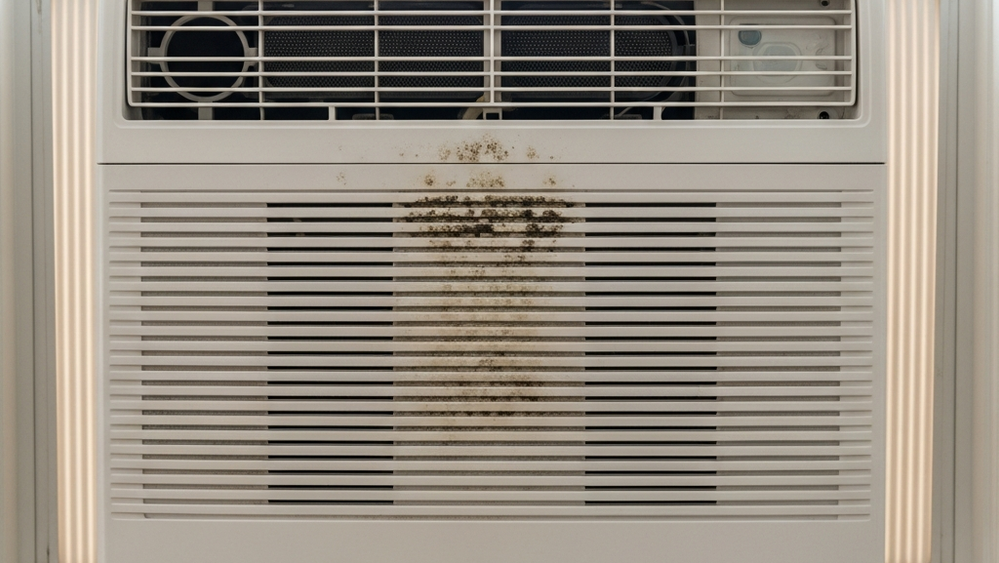
A significant product liability lawsuit has been filed against Midea, alleging that certain window air conditioning units harbor dangerous mold that leads to severe respiratory illnesses. According to recent reports, plaintiffs claim the design of these units prevents proper drainage, creating a moist environment where toxic spores thrive and are subsequently blown into the living space. Victims report symptoms ranging from chronic coughing and wheezing to more permanent lung damage and severe allergic reactions. This legal action highlights a growing concern over household appliances that may jeopardize indoor air quality and user safety. Manufacturers are increasingly being held accountable for design choices that prioritize aesthetics or cost-saving over the health of the consumer.
Affected by a Product Liability Issue?
Our specialized tool can help you estimate the potential worth of your case based on current laws and precedents.
Proving Design Defects in Midea Cooling Units
In a product liability case of this nature, the primary focus is often on strict liability and design defects that make a product inherently dangerous. Under the theory of products liability, manufacturers are responsible for ensuring their goods do not pose unreasonable risks when used as intended. The Midea lawsuit argues that the company failed to provide adequate drainage or ventilation, which constitutes a breach of the duty of care owed to consumers. Furthermore, if evidence surfaces that the manufacturer was aware of these moisture-retention issues but failed to issue a warning, they could be held liable for compensatory and potentially punitive damages. Proving these claims requires detailed engineering analysis and medical expert testimony to link the specific mold strains to the victim's health decline.
Protecting Your Rights After a Similar Incident
If you suspect your air conditioner is making you sick, the first priority is seeking medical attention to document your respiratory symptoms for your medical record. You should also preserve the unit in its current state as physical evidence and take clear photographs of any visible mold or standing water inside the chassis. It is helpful to review our defective household appliance injury guide to understand how these cases typically unfold for injury victims. Additionally, learning how to document a defective product claim can significantly improve your chances of a successful financial recovery. To get an immediate estimate of what your potential claim might be worth, you can use our free product liability calculator.
What Victims Could Recover in Damages
Compensation in a mold-related product liability lawsuit generally covers both economic and non-economic damages based on the severity of the illness. Victims may be entitled to reimbursement for past and future medical expenses, including specialized treatments for chronic respiratory conditions or asthma. Lost wages from missed work and the cost of replacing the defective unit or remediating mold in the home are also frequently recovered in these settlements. Non-economic damages, such as pain, suffering, and emotional distress caused by long-term health complications, often make up a significant portion of a successful jury award. Factors such as the age of the victim and the length of toxic exposure will ultimately dictate the final settlement range.
Safety Standards and Consumer Protection Laws
Household appliances are subject to safety oversight by federal agencies like the Consumer Product Safety Commission, which monitors reports of injuries and coordinates necessary recalls. Mold in the home is also a major focus of the Environmental Protection Agency, as indoor pollutants are known triggers for serious health events and chronic disability. Most states operate under a two-year statute of limitations for personal injury claims, though the "discovery rule" may apply if your symptoms took time to manifest after using the product. It is critical to identify who to sue in a product liability case, as retailers and distributors may also share in the liability for selling a known dangerous product.
Find Out What Your Case Is Worth
Navigating a lawsuit against a global manufacturer like Midea requires a clear understanding of your legal standing and the evidence required to prove a design defect. If you or a loved one have suffered from severe respiratory issues after using a Midea window air conditioner, you do not have to face the legal process alone. Our team provides the resources necessary to help you hold negligent corporations accountable for their design failures and medical consequences. Use our product liability calculator right now to see how much your claim could be worth based on your specific injuries and documented expenses. Taking this first step ensures that you are informed and prepared to seek the justice and financial support you deserve.
Disclaimer: This blog post is for informational purposes only and does not constitute legal advice. For specific legal guidance regarding your situation, please consult with a qualified attorney.