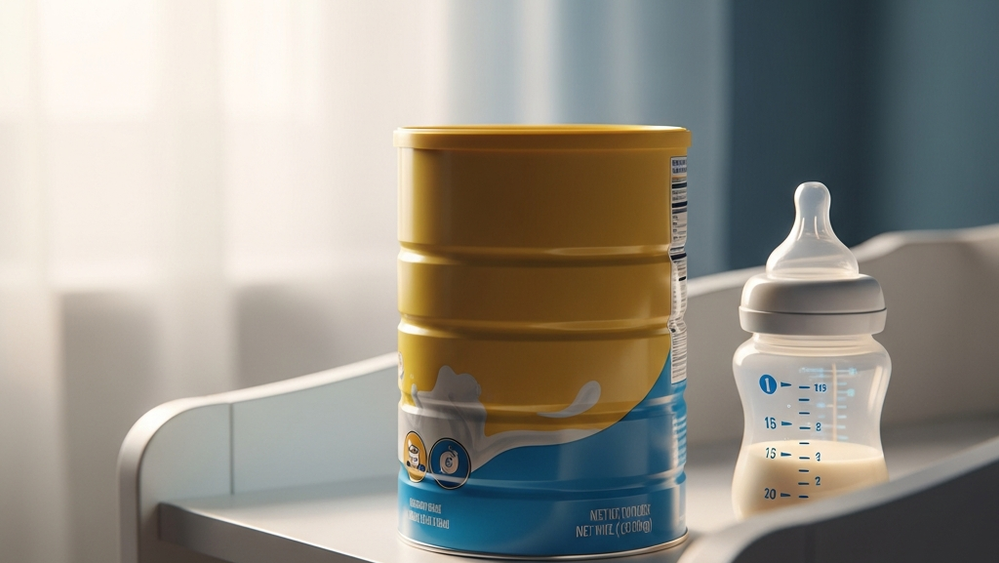
New Lawsuit Alleges Enfamil Formula Caused Fatal Infant Illness
A recent product liability lawsuit has been filed against Mead Johnson, the manufacturer of Enfamil, alleging that the cow’s-milk-based formula caused a premature infant to develop necrotizing enterocolitis (NEC). According to recent reports, the family claims the company failed to warn parents and medical professionals about the significantly higher risk of NEC associated with cow’s-milk products for preterm babies. NEC is a devastating intestinal disease that can lead to permanent organ damage or even death in vulnerable newborns. This litigation joins a growing number of cases targeting formula manufacturers for prioritizing profits over the safety of the most fragile patients. Families are now seeking justice for the medical expenses and emotional trauma caused by these allegedly dangerous products.
Affected by a Product Liability Issue?
Our specialized tool can help you estimate the potential worth of your case based on current laws and precedents.
Determining Liability for Baby Formula Injuries
In cases involving infant formula and NEC, legal liability often centers on "failure to warn," a core concept in products liability law. Manufacturers like Mead Johnson have a legal duty to disclose known risks associated with their products, especially when safer alternatives like human donor milk are available. Plaintiffs argue that the company knew or should have known about the scientific link between cow’s-milk-based formulas and NEC in premature infants but chose not to include adequate warnings on the packaging. Because the manufacturer holds superior knowledge about the product's risks, they can be held strictly liable for injuries that result from these omissions. This means families do not necessarily have to prove the company was negligent in the traditional sense, but rather that the product was inherently dangerous as marketed.
How Families Can Protect Their Legal Rights
If your infant was diagnosed with NEC after being fed Enfamil in a neonatal intensive care unit, the first step is to ensure they receive specialized medical follow-up for any long-term complications. You should also request copies of all hospital records, specifically looking for the brand of formula used during the child's stay. Documentation is the foundation of a successful claim, so keeping a detailed log of surgeries, treatments, and ongoing health challenges is essential. You can learn more about Mead Johnson Enfamil NEC lawsuit claims to see how other families are navigating this difficult process. To get an immediate sense of what your family's financial recovery might look like, use our free product liability calculator to estimate your potential case value. It is also helpful to review how Similac NEC trials are progressing to understand the current legal landscape.
Estimating Damages in an Infant NEC Case
Compensation in NEC lawsuits is designed to cover the staggering costs of neonatal intensive care, multiple surgeries, and the potential for lifelong disability. Families may recover economic damages for medical bills and the future costs of specialized care if the child suffers from short bowel syndrome or developmental delays. Non-economic damages are also a significant component, compensating for the child's physical pain and the parents' emotional distress. In the most tragic circumstances, where the condition proves fatal, parents may seek compensation for the wrongful death of a child, which accounts for the loss of companionship and the profound grief of the family. The National Institutes of Health notes that the mortality rate for NEC can be as high as 50%, making these claims high-value due to the severity of the harm involved.
Statutes and Regulations Governing Formula Safety
The legal framework for these cases is built on state product liability statutes and federal safety guidelines. While the FDA oversees the nutritional content of infant formula, it does not always require specific warnings regarding NEC, leaving a gap that state tort laws must fill. Plaintiffs rely on the learned intermediary doctrine, arguing that manufacturers failed to provide doctors with the necessary information to make informed decisions about infant nutrition. Most states have a two-to-four-year statute of limitations for personal injury claims, but tolling rules may apply since the victim is a minor, potentially extending the time to file. Understanding these deadlines is critical to ensuring your right to seek recovery is not lost due to procedural delays.
Find Out What Your Enfamil Case Is Worth
Navigating a complex mass tort against a multi-billion dollar corporation requires the right tools and information. Our team is dedicated to helping families understand the financial impact of medical negligence and defective products. By using our proprietary evaluation tools, you can take the first step toward holding manufacturers accountable for the harm caused to your child. We encourage you to use our comprehensive product liability case evaluator to see a realistic breakdown of potential damages based on your specific situation. Do not wait to explore your options, as legal deadlines can pass quickly while your family focuses on healing. Let us help you determine the next steps in your journey toward justice and financial security for your infant’s future.
Disclaimer: This blog post is for informational purposes only and does not constitute legal advice. For specific legal guidance regarding your situation, please consult with a qualified attorney.