The EV Revolution and the New Lemon Frontier
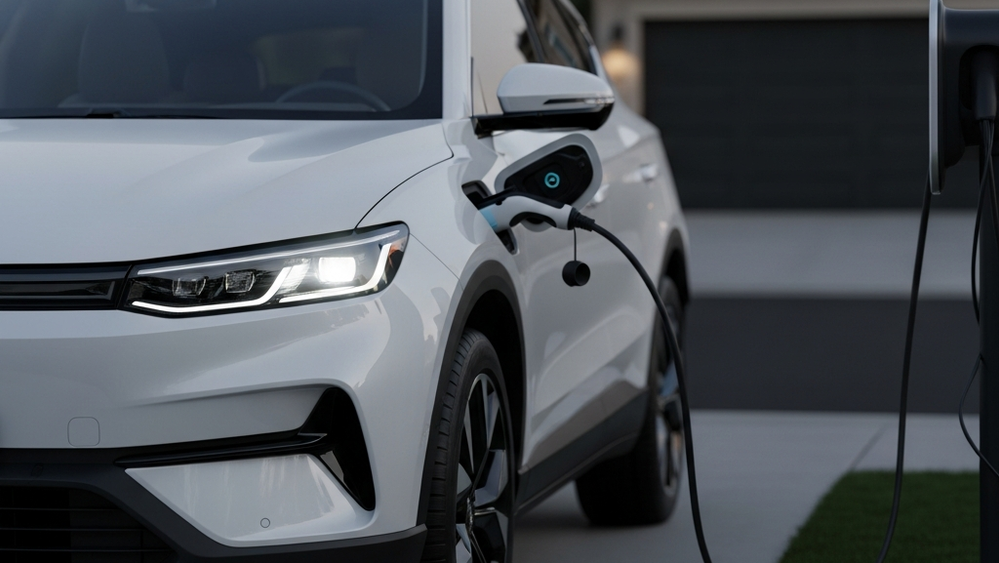
The automotive industry is undergoing a seismic shift toward electrification. While electric vehicles (EVs) offer reduced emissions and high-performance acceleration, they also introduce a new set of complex components that differ significantly from internal combustion engine (ICE) vehicles. For consumers, this technological advancement comes with a learning curve—not just in how to drive and charge these cars, but in understanding how to handle persistent defects. When a new EV spends more time in the repair shop than on the road, it may qualify as a "lemon."
Lemon laws were originally designed to protect consumers from defective cars that manufacturers could not fix. Traditionally, these claims centered on engines, transmissions, and fuel systems. However, with the rise of EVs, the legal landscape has evolved to address the specific failure points of electric drivetrains, high-voltage battery packs, and sophisticated software systems. Because EVs are essentially computers on wheels, a single software bug or a faulty battery cell can render the entire vehicle unsafe or unusable. Understanding your rights in this new frontier is essential for protecting your investment and ensuring your safety.
Affected by a Lemon Law Issue?
Our specialized tool can help you estimate the potential worth of your case based on current laws and precedents.
Defining an EV Lemon: Legal Standards for Success
To qualify as a lemon, a vehicle must generally meet several criteria. First, the vehicle must have a nonconformity—a defect or condition that is covered by the manufacturer’s original factory warranty. This defect must "substantially impair" the use, value, or safety of the vehicle. In the context of an EV, this might include a battery that cannot hold a charge, a drive motor that fails unexpectedly, or a software system that causes the vehicle to accelerate or brake without driver input.
Most state lemon laws provide a "presumption" period, usually occurring within the first year or 18,000 miles of ownership. During this time, if the manufacturer fails to repair the defect after a reasonable number of attempts, the law presumes the vehicle is a lemon. The definition of "reasonable" varies by state, but it often involves the same defect recurring three or four times, or the vehicle being out of service for a cumulative total of 30 days or more. If you believe your vehicle meets these standards, you can use our lemon law calculator to begin assessing the potential value of your recovery.
Critical Battery Defects: The Heart of the EV Claim
The high-voltage battery pack is the most expensive and critical component of an electric vehicle. It is also the source of some of the most common lemon law claims. While all batteries degrade over time, premature capacity loss or catastrophic failure can constitute a major defect. If your EV’s range drops significantly below the advertised specifications shortly after purchase, and the manufacturer cannot restore the range through software updates or cell replacement, you may have a claim.
Other battery-related issues include:
- Charging Failures: Defects in the onboard charger or the battery management system (BMS) that prevent the car from accepting a charge or cause it to charge at dangerously slow speeds.
- Thermal Management Issues: Faulty cooling or heating loops that cause the battery to overheat during operation or fast-charging, which can lead to fires or permanent damage.
- Sudden Discharge: The vehicle loses a significant percentage of its state of charge while parked or under light load.
- Bricking: A total failure where the battery becomes completely non-functional, requiring a full pack replacement that often costs tens of thousands of dollars.
Software Bugs: When Code Causes a Safety Hazard
Unlike traditional vehicles, EVs rely almost entirely on software to manage everything from torque delivery to regenerative braking. When this code contains errors, the results can be terrifying. "Phantom braking" is a frequently reported software bug where the vehicle’s collision avoidance system detects a non-existent obstacle and slams on the brakes at highway speeds. This is a clear safety impairment that fits the criteria for a lemon law claim.
Furthermore, software controls the Advanced Driver Assistance Systems (ADAS). If features like lane-keep assist, adaptive cruise control, or automated parking fail to function as promised, and the dealer cannot provide a permanent fix, the vehicle’s value is substantially impaired. Software bugs can also affect the infotainment screen, which in many EVs (like Teslas or Rivians) controls vital functions like windshield defrosters and climate control. If these screens go dark repeatedly, the vehicle may be considered unsafe for operation in certain weather conditions.
The Role of Over-the-Air (OTA) Updates in Lemon Law
one of the unique aspects of EV ownership is the ability to receive Over-the-Air (OTA) updates. Manufacturers often use these updates to fix bugs or improve performance without requiring a trip to the dealership. However, from a legal standpoint, the use of OTA updates has created a debate in lemon law litigation. Some manufacturers argue that an OTA update does not count as a "repair attempt" because the vehicle did not physically visit a service center.
Consumer advocates and many courts disagree. If a manufacturer attempts to fix a substantial defect via software update and the problem persists, that should legally count as a failed repair attempt. Furthermore, some OTA updates have been used to "throttle" battery performance to hide underlying hardware defects. For example, if an update reduces your maximum charging speed or total range to prevent a fire risk, the manufacturer has effectively decreased the value of your vehicle. You can read more about how many repair attempts are needed to qualify for a claim in our detailed guide.
Thermal Management Systems and Cooling Failures
EV batteries generate significant heat during discharge and charging. To prevent degradation and fire, they use complex liquid cooling systems. If these systems leak or the pumps fail, the battery is at risk. Cooling system failures are often difficult for dealers to diagnose because the symptoms—such as reduced performance or high fan noise—may seem intermittent.
If you receive a "Battery Coolant Low" warning or if your car frequently enters a "limp mode" (reduced power) during warm weather, these are significant issues. Because these defects directly relate to the risk of fire and the longevity of the vehicle's most expensive part, they are prime candidates for lemon law buybacks. You should always document every instance of a warning light or performance reduction, as this evidence is vital for your case.
Days Out of Service: The "Invisible" Lemon Qualification
A vehicle does not necessarily need to have the same part break four times to be a lemon. Most states have an alternative qualification: the 30-day rule. If your EV is in the shop for any combination of warranty repairs for a cumulative total of 30 days or more during the eligibility period, it is legally a lemon. This is particularly relevant for EVs because parts availability for new models is often limited.
A battery replacement, for example, can take weeks or even months if the manufacturer has a backlog or supply chain issues. If your car sits at the dealership waiting for a high-voltage battery or a specific semiconductor chip for over a month, the manufacturer has failed to provide a reliable vehicle. You are entitled to a refund or replacement regardless of whether the car is eventually fixed. For more information on official safety standards, you can visit the NHTSA website to see if your specific EV model is under investigation for such delays.
Proving Substantial Impairment: Safety vs. Convenience
Manufacturers often try to downplay EV defects as mere "technical glitches" or "software optimization issues." To win a lemon law case, you must prove "substantial impairment." Courts generally look at two perspectives: objective and subjective. Objectively, would a reasonable person find that the defect makes the car less safe or significantly less valuable? Subjectively, does the defect prevent you from using the car for its intended purpose?
For instance, if your EV's fast-charging capability fails, and you purchased the car specifically for long-distance road trips, your use of the vehicle is substantially impaired. Even if the car still drives fine around town, the loss of its core advertised functionality (rapid charging) is a major blow to its value. The Federal Trade Commission provides guidance on how warranties must be honored, which can be a powerful tool when arguing that a manufacturer has failed to meet its obligations.
EV Buybacks vs. Replacements: Maximizing Your Payout
If your EV is determined to be a lemon, you generally have two choices: a buyback (refund) or a replacement.
- The Buyback: The manufacturer must refund the full purchase price, including taxes, registration fees, and finance charges. They are, however, allowed to deduct a "usage offset" for the miles you drove before the first repair attempt.
- The Replacement: The manufacturer provides a new, substantially identical vehicle. You may still be responsible for the mileage offset, but you avoid the hassle of shopping for a new car and potentially facing higher interest rates.
In many cases, a buyback is the better option for EV owners, especially if the model has a history of systemic battery or software issues. A refund allows you to walk away from a problematic brand and choose a more reliable vehicle. The Uniform Commercial Code also provides protections regarding the "implied warranty of merchantability," ensuring that any car sold must be fit for its ordinary purpose.
Protections for Leased Electric Vehicles
Many consumers choose to lease EVs to take advantage of tax credits and avoid concerns about long-term battery degradation. A common misconception is that lemon laws only apply to purchased vehicles. In reality, most state lemon laws and the federal Magnuson-Moss Warranty Act protect lessees as well.
If your leased EV is a lemon, the manufacturer must refund the down payment, all monthly lease payments made to date, and any official fees. They must also pay off the remaining balance of the lease to the finance company. This is a critical protection, as it prevents you from being "upside down" on a defective vehicle you don't even own. You can learn more about how lemon law for leased vehicles works in our comprehensive guide.
Federal Backup: The Magnuson-Moss Warranty Act
While state lemon laws are powerful, they often have strict time and mileage limits. If your EV develops a major battery defect after the state lemon law window has closed, you may still have a remedy under the federal Magnuson-Moss Warranty Act. This law applies to any consumer product with a written warranty, including cars.
Unlike state laws that require a buyback, the federal act often results in a "cash and keep" settlement. The manufacturer pays you a significant sum of money (representing the diminished value of the car due to the defect), and you keep the vehicle. This can be a great option if the defect is annoying but doesn't make the car undrivable. Furthermore, the federal law requires the manufacturer to pay your attorney’s fees if you win, making it easier for consumers to hire expert legal counsel without upfront costs.
Used EVs and Certified Pre-Owned Protections
The market for used EVs is growing, but so are the risks. Most state lemon laws only apply to new vehicles. However, if you purchased a "Certified Pre-Owned" (CPO) electric vehicle that is still covered by a manufacturer's written warranty, you may still have legal standing. If the dealer makes promises about battery health or range that prove to be false, you may also have a claim for specialized fraud or breach of contract.
It is vital to check the warranty status of a used EV. Many manufacturers offer separate, longer warranties for the battery pack (often 8 years or 100,000 miles). If a cell fails at year five, the manufacturer must repair it. If they can’t fix it after multiple attempts, even a used car owner may find relief under the state versus federal lemon law options available to them.
Documenting Your Claim: A Step-by-Step Survival Guide
Winning a lemon law case requires a paper trail. Manufacturers have deep pockets and legal teams trained to deny claims. To protect yourself, follow these steps:
- Keep Every Work Order: Ensure the service advisor writes down your exact complaint. If the car is stalling, don't let them write "check and advise." Make sure it says "Vehicle lost power at 65mph."
- Verify the "No Problem Found" Result: If the dealer says they couldn't replicate the issue, make sure that is documented. This still counts as a repair attempt if the defect actually exists.
- Take Videos: If your infotainment screen goes black or the car displays a battery error, record it on your phone. Visual evidence is hard to dispute in court.
- Send a Final Notice: Many states require you to send a certified letter to the manufacturer giving them one "final" chance to fix the car before you file a lemon law claim.
Calculating the Value of Your EV Lemon Law Case
The value of an EV lemon law claim depends on several factors: the purchase price, the number of payments made, the amount of your down payment, and the mileage at the time of the first repair. Because EVs often have higher price tags than ICE vehicles, the stakes are much higher. A successful claim could result in a settlement worth $50,000 to over $100,000.
Beyond the refund, you may also be entitled to "incidental and consequential damages." This includes the cost of rental cars, towing fees, and even the cost of a home charger installation if you can no longer use the vehicle. Using a specialized tool to evaluate these costs is the best way to ensure you aren't leaving money on the table.
Take Action: Secure Your Free EV Case Evaluation
Dealing with a defective electric vehicle is more than a frustration—it is a financial burden and a safety risk. You shouldn't have to pay for a manufacturer's engineering mistakes or software failures. Whether you are dealing with a Tesla that phantom brakes, a Hyundai Ioniq with charging failures, or a Ford Mustang Mach-E with battery contactor issues, the law is on your side.
If your EV has been in the shop multiple times or for an extended period, you may be entitled to a full refund or a brand-new car. Don't wait until your warranty expires and the value of your vehicle plummets. Take the first step toward justice today by using our lemon law case evaluator. Our team helps you understand the specific value of your claim based on your state's laws and your vehicle's history. Get the compensation you deserve and get back on the road in a vehicle you can trust.
Disclaimer: This blog post is for informational purposes only and does not constitute legal advice. For specific legal guidance regarding your situation, please consult with a qualified attorney.