The three defect types, and the three legal theories behind them
Every claim names a defect type (one of three) and a legal theory (one of three), and can plead more than one of each.
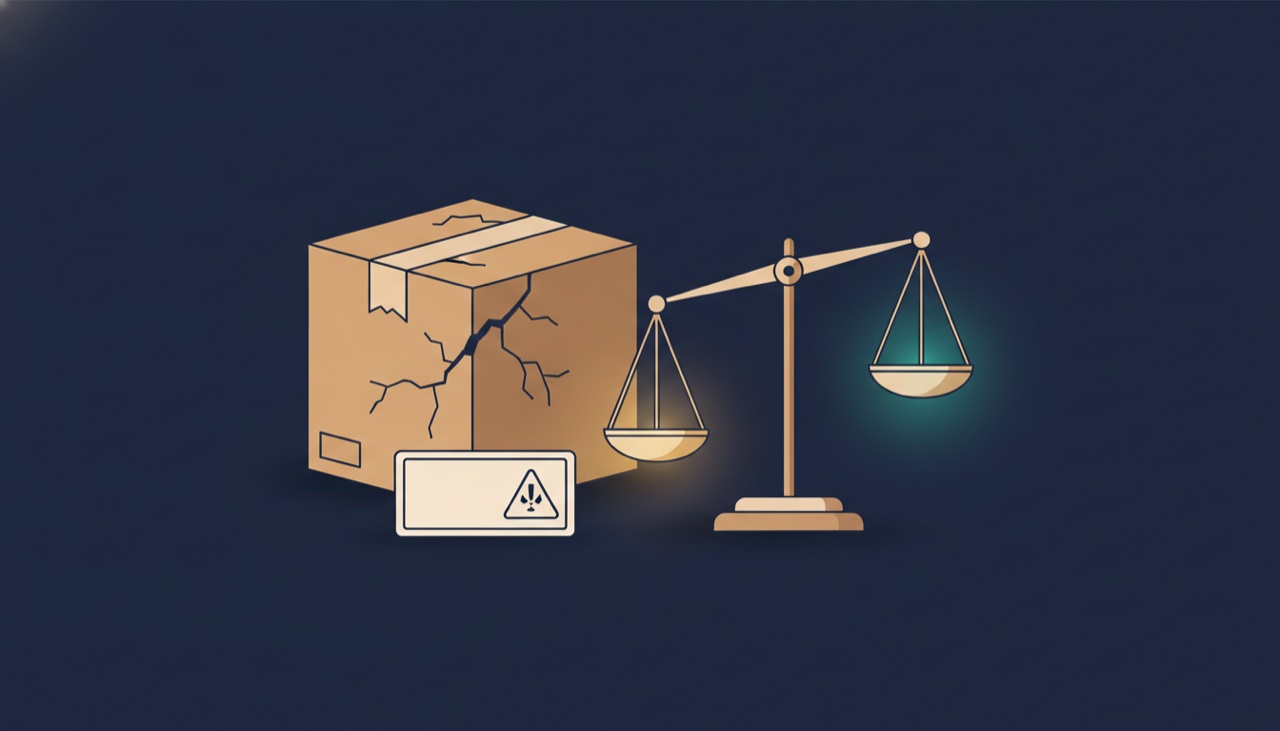
Design defect
The product was built as intended, and the design itself made it unreasonably dangerous; every unit shares the flaw. Many states, Texas by statute, require proof of a safer alternative design that was economically and technologically feasible; others ask what an ordinary consumer would expect. Rules vary by state.
Manufacturing defect
The design was sound, but this unit or batch came out wrong: a missing weld, contaminated material, a part installed backwards. Only some units are affected, so comparing your unit with a properly made one is the heart of the proof.
Warning or marketing defect
The product carried a danger that was not obvious, and its instructions or warnings failed to disclose it or explain how to avoid it. The fight is over what the seller knew, what an adequate warning would have said, and whether a better one would have changed how you used the product.
Strict liability
You prove the product was defective and that the defect caused your injury; the seller’s care, or lack of it, is beside the point. Most states apply this theory to sellers of defective products, which is what sets product claims apart from ordinary negligence claims.
Negligence
Asks whether the manufacturer or seller failed to use reasonable care in designing, making, inspecting, or labeling the product. It demands more proof than strict liability, but it reaches conduct (a skipped safety test, a known hazard ignored) that strengthens a claim and, where allowed, supports punitive damages.
Breach of warranty
A contract theory: the product failed an express promise or the implied warranty that it was fit for ordinary use. Under the Uniform Commercial Code as adopted by the states, a seller’s warranty can extend past the buyer to people in the buyer’s household, guests, or anyone reasonably expected to use the goods, depending on the version the state enacted.