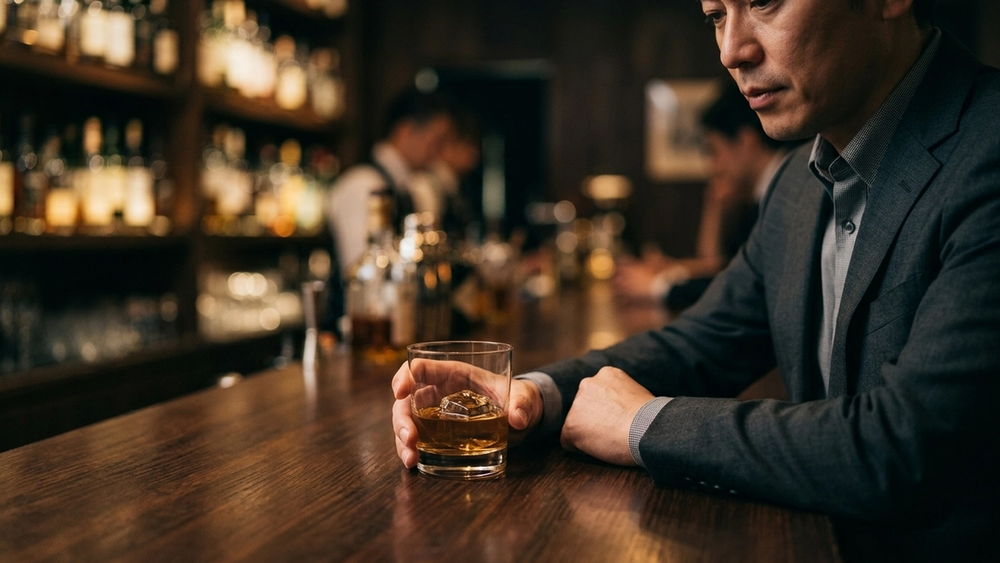
Introduction to Nevada’s Unique Alcohol Liability Laws
Nevada is famous worldwide for its nightlife, 24-hour bars, and vibrant entertainment industry. Because alcohol is so deeply integrated into the local economy and culture, the state has developed very specific, and somewhat restrictive, laws regarding the liability of those who serve alcohol. Most states have what are known as "Dram Shop Acts," which allow victims of drunk driving accidents to sue the bars or restaurants that overserved the driver. However, Nevada takes a different approach.
In Nevada, the law generally protects establishments from liability when a patron becomes intoxicated and causes an accident. This policy is based on the legal theory that the consumption of alcohol, rather than the serving of it, is the proximate cause of any resulting injuries. However, this protection is not absolute. There is one critical, narrow exception that every victim of a DUI crash must understand: the minor exception. If a bar or social host provides alcohol to someone under the age of 21, the legal shield disappears, and the establishment or individual can be held fully responsible for the resulting damages.
Understanding these nuances is essential for anyone seeking justice after a devastating collision. While Nevada law is more protective of businesses than suing bars for overserving under more expansive dram shop regimes, the exceptions that do exist provide a vital pathway for compensation for victims and their families.
Affected by a Motor Vehicle Issue?
Our specialized tool can help you estimate the potential worth of your case based on current laws and precedents.
The General Rule: Immunity for Nevada Establishments
The foundation of Nevada’s alcohol liability law is found in Nevada Revised Statutes (NRS) 41.1305. This statute explicitly states that a person who serves, sells, or otherwise furnishes an alcoholic beverage to another person who is 21 years of age or older is not liable in a civil action for any damages caused by the person who consumed the alcohol. This means that if an adult of legal drinking age walks into a bar in Las Vegas, drinks to the point of extreme intoxication, and then causes a head-on collision, the bar is typically immune from a lawsuit.
This immunity applies to both commercial establishments (bars, restaurants, casinos) and social hosts (individuals hosting a party at home). Nevada’s legislative intent was to place the responsibility squarely on the shoulders of the person who chooses to drink. This differs significantly from many other states where "visible intoxication" is the standard for liability. In those jurisdictions, if a bartender continues to serve a patron who is slurring their speech or stumbling, the bar becomes liable. In Nevada, that same bartender could serve the patron ten more drinks without facing civil liability for a subsequent car crash, provided the patron is at least 21 years old.
For victims, this means that most drunk driving cases in Nevada focus solely on the driver. However, because the stakes are so high—often involving wrongful death rights for families—investigating the circumstances of the alcohol service is still a standard part of any comprehensive legal strategy. You can use our Nevada motor vehicle accident calculator to see how these factors influence the potential value of your claim.
The Critical Exception: Serving Minors Under 21
The legal shield provided by NRS 41.1305 vanishes the moment alcohol is served to a minor. Under the law, a person or establishment is liable for civil damages if they "knowingly" serve or provide alcohol to a person who is under 21 years of age. This exception is the primary way that victims can hold third parties accountable for alcohol-related tragedies in the Silver State.
This exception serves two purposes: it reinforces the state's strict policy against underage drinking and it acknowledges that minors are legally deemed incapable of making the same responsible choices as adults regarding alcohol consumption. When a bar fails to check an ID or a social host allows a high school party to continue with an open bar, they are creating an unreasonable risk to the public. In these scenarios, the law shifts the burden of liability back onto the provider.
To successfully pursue a claim under the minor exception, a plaintiff must prove that the defendant acted "knowingly." This does not always mean the bartender looked at a birth certificate and served the drink anyway. Knowledge can be inferred from the circumstances. For example, if a group of teenagers who clearly look underaged are served at a booth without being carded, a jury may find that the establishment "knowingly" provided the alcohol. This high standard of proof makes these cases complex and necessitates a thorough investigation immediately following an accident.
Proving Liability in Nevada Dram Shop Cases
Proving that a bar or social host is liable under the Nevada dram shop exception requires more than just showing that a minor was involved in a crash. The legal team must build a chain of evidence that links the service of alcohol to the specific incident. This process often involves several layers of discovery and expert analysis.
First, we must establish the identity of the minor and where they consumed the alcohol. This is often done through police reports, witness statements from the minor's companions, or credit card statements. Once the location is identified, the focus shifts to proving the "knowingly" requirement. Evidence used to prove knowledge includes:
- Security Footage: Video from the establishment showing the minor entering and being served without having their identification checked.
- Point of Sale (POS) Records: Time-stamped receipts that show the volume and type of alcohol served to a specific table or tab.
- Witness Testimony: Statements from other patrons, employees, or friends who observed the minor drinking.
- Social Media Evidence: Photos or videos posted to platforms like Instagram or TikTok that show the minor consuming alcohol at the venue.
Because bars and restaurants often overwrite security footage within days or weeks, it is critical to issue a spoliation letter immediately. This legal notice requires the establishment to preserve all relevant evidence. Failing to do so can lead to sanctions in court and significantly strengthen the victim's case. You can explore more about proving negligence through authoritative legal guides to understand how these elements come together in a courtroom.
Social Host Liability: Private Parties and Underage Drinking
In Nevada, the same rules that apply to bars also apply to social hosts. A "social host" is anyone who provides alcohol in a non-commercial setting, such as a backyard barbecue, a house party, or a wedding. While social hosts are immune from liability for accidents caused by adult guests, they are legally vulnerable if they provide alcohol to minors.
This liability is particularly relevant for parents. If a parent allows their teenager to host a party where alcohol is present, and one of the underage guests subsequently causes a drunk driving accident, the parents can be sued for the resulting injuries or deaths. The law does not require the host to physically pour the drink; simply making the alcohol available or "allowing" the consumption to happen on their property can be enough to trigger liability under the minor exception.
According to the CDC fact sheet on underage drinking, the consequences of youth access to alcohol are profound, often leading to higher rates of fatal crashes. Nevada’s social host laws are a reflection of these risks. Victims of accidents caused by underage drunk drivers should never assume that the driver's insurance policy is the only source of recovery. Investigating where the alcohol came from—and whether a social host turned a blind eye to underage consumption—is a vital step in maximizing case value.
Comparative Negligence and the 51% Rule
Nevada follows a modified comparative negligence system, often referred to as the "51% Rule." This law dictates how damages are awarded when multiple parties are at fault for an accident. In the context of a dram shop or DUI case, this means that the victim's own actions will be scrutinized.
If a victim is found to be partially at fault for the accident—perhaps they were speeding or distracted at the time the drunk driver hit them—their total compensation will be reduced by their percentage of fault. For example, if a jury determines that a victim suffered $100,000 in damages but was 20% at fault, the victim would receive $80,000. Crucially, if the victim is found to be 51% or more at fault, they are barred from recovering any damages at all from the other parties.
When a bar is sued under the minor exception, the jury must apportion fault among the bar, the minor driver, and potentially the victim. This multi-party liability can be complex. The bar may argue that the minor's decision to drive was a superseding cause of the accident, while the victim will argue that the bar's illegal service was the root cause. Because Nevada is a "several liability" state in most personal injury contexts, each defendant is typically only responsible for their specific percentage of the damages, making it even more important to secure a high fault percentage against the bar or its insurance policy.
Typical Damages in Drunk Driving Injury Claims
When a bar is held liable for a drunk driving accident involving a minor, the victim is entitled to seek compensatory damages. These damages are designed to make the victim "whole" again, as much as money can, and are divided into economic and non-economic categories.
Economic Damages include:
- Medical Expenses: This covers everything from the initial emergency room visit and surgeries to long-term physical therapy and medical equipment.
- Lost Wages: Compensation for the time the victim missed at work due to their injuries.
- Loss of Earning Capacity: If the victim suffers a permanent disability that prevents them from returning to their previous career, they can seek the difference in what they would have earned over their lifetime.
Non-Economic Damages include:
- Pain and Suffering: Compensation for the physical pain and emotional distress caused by the accident.
- Loss of Consortium: Damages awarded to a spouse or family member for the loss of companionship and support.
- Disfigurement: Specifically relevant in cases involving severe scarring or amputations.
In some cases, Nevada law also allows for punitive damages. Unlike compensatory damages, punitive damages are intended to punish the defendant for particularly egregious behavior and to deter others from similar conduct. Proving that a bar intentionally ignored its duty to check IDs or encouraged a minor to drink can lead to significant punitive awards, which often dwarf the compensatory damages in high-profile cases.
The Role of Criminal Convictions in Civil Cases
Most drunk driving accidents in Nevada result in criminal charges against the driver. While a criminal case is separate from a civil lawsuit, the outcome of the criminal trial can have a massive impact on the civil case. Nevada law allows for a legal doctrine known as "negligence per se."
Negligence per se applies when a defendant violates a law that was designed to protect a certain class of people (like the public) from a specific type of harm (like car accidents). If a driver is convicted of a DUI, or a bar is cited for serving a minor, the civil court may accept that the defendant was negligent as a matter of law. This significantly simplifies the victim's case, as they no longer need to prove that the defendant's actions were "unreasonable"—they only need to prove that the violation caused their injuries.
Additionally, evidence produced during the criminal investigation, such as blood alcohol content (BAC) tests, police body-cam footage, and expert accident reconstruction, is often admissible in the civil trial. According to the NHTSA's impaired driving data, forensic evidence is the gold standard for proving intoxication. Coordinating with the District Attorney's office ensures that the civil legal team has access to the strongest possible evidence to hold the bar and the driver accountable.
Evidence Collection After a Nevada DUI Crash
The hours and days following a DUI crash are critical for evidence collection. Because Nevada’s dram shop exception is so narrow, the "window of opportunity" to secure proof of the bar’s liability is small. The first step is identifying all potential sources of alcohol. This involves interviewing witnesses at the scene and looking for receipts or beverage containers in the drunk driver's vehicle.
Beyond the scene of the accident, a thorough investigation into the bar's history is necessary. Has the establishment been cited by the Nevada Department of Taxation or local law enforcement for serving minors in the past? A history of violations can be used to prove that the establishment had a pattern of negligence, which is powerful evidence for a jury. We also look for evidence of "overserving" as secondary proof that the establishment was not following responsible alcohol service standards, even though overserving an adult isn't a direct cause of action in Nevada.
Digital evidence is increasingly important. Cell phone records can show if the minor was communicating with people at the bar, and GPS data can confirm the timeline of their arrival and departure. By piecing together this "digital breadcrumb trail," a legal team can create a minute-by-minute account of the events leading up to the crash, making it nearly impossible for the bar to deny knowledge of the minor's presence and consumption.
Insurance Coverage Limits in Bar Liability Cases
One of the most complex aspects of a Nevada dram shop case is navigating insurance coverage. Most bars and restaurants carry "Liquor Liability Insurance," which is a specific type of policy designed to cover damages caused by the service of alcohol. However, many general liability policies explicitly exclude liquor-related claims. If a bar does not have a specific liquor liability rider, recovering a high-value settlement can be difficult.
When a bar is sued under the minor exception, their insurance company will often try to find a way to deny the claim. They may argue that the bartender's actions were "intentional" or "criminal" and therefore excluded from coverage. This is where an experienced legal team is vital. By framing the case as one of negligent supervision or failure to train staff, attorneys can often trigger coverage that the insurance company is trying to avoid.
Furthermore, Nevada’s minimum insurance requirements for drivers are often insufficient to cover the costs of a catastrophic injury or wrongful death. In these cases, the bar's commercial policy may be the only source of significant funds. Understanding the specifics of Nevada statutes regarding liability and insurance is the only way to ensure that the victim is not left with unpaid medical bills and lifelong financial hardship.
Statute of Limitations for Nevada Injury Claims
In Nevada, victims of drunk driving accidents generally have two years from the date of the accident to file a personal injury or wrongful death lawsuit. This deadline, known as the statute of limitations, is strictly enforced. If you fail to file your lawsuit before the two-year window closes, you lose your right to seek compensation forever.
While two years might seem like a long time, it passes quickly when dealing with medical recoveries, surgeries, and the complexities of an investigation. For a dram shop case, the investigation alone can take months. Identifying the bar, interviewing staff, obtaining security footage, and hiring expert witnesses must all happen well before the filing deadline. If the case involves a government entity—for example, if the alcohol was served at a city-sponsored event—the deadlines may be even shorter, sometimes requiring a notice of claim within just six months.
There are very few exceptions that can "toll" or pause the statute of limitations in Nevada. One such exception is the "discovery rule," which applies if the victim could not have reasonably known about the injury or the cause of the injury until a later date. However, in a DUI crash, the injury is immediately apparent, meaning the two-year clock starts ticking the moment the collision occurs. Acting quickly is the single best way to protect your legal rights.
How to Calculate Your Potential Case Value
Calculating the value of a Nevada dram shop claim is a multifaceted process. There is no simple formula because every case involves unique human factors. However, lawyers and insurance adjusters typically use a combination of methods to arrive at a settlement range.
They start with "Special Damages," which are the hard costs like medical bills and lost wages. Then, they apply a multiplier—usually between 1.5 and 5—to account for "General Damages" like pain and suffering. The multiplier is higher in cases involving permanent disability, extreme trauma, or where the defendant's conduct was particularly shocking. For example, a bar that served a 16-year-old until they were unconscious will face a much higher settlement demand than a bar that made a one-time mistake with a 20-year-old who had a fake ID.
Other factors that influence case value include the amount of insurance coverage available, the venue where the case will be tried (some counties in Nevada are more "plaintiff-friendly" than others), and the strength of the evidence. A case with clear security footage of a bartender high-fiving an underage drinker will have a significantly higher value than a case based solely on circumstantial evidence. To get a preliminary estimate of what your claim might be worth based on these variables, you should use a professional case evaluation tool to help organize your damages.
Conclusion: Seeking Justice After a DUI Crash
Nevada’s dram shop laws are among the most restrictive in the nation, but the minor exception provides a powerful tool for those injured by underage drunk drivers. By holding establishments and social hosts accountable for knowingly providing alcohol to minors, victims can secure the financial resources they need to rebuild their lives and ensure that similar tragedies are prevented in the future.
The process of suing a bar or a social host is fraught with legal hurdles, from proving the "knowingly" standard to navigating complex insurance policies. You should not have to face these challenges alone while recovering from a serious injury or grieving the loss of a loved one. The first step is understanding your rights and the potential value of your claim.
If you or a family member has been affected by a drunk driving accident in Nevada, take action today. Use our specialized tools to understand the landscape of your recovery. For a detailed breakdown of your potential settlement based on Nevada law, visit our case evaluation portal for a free, no-obligation assessment of your claim.
Disclaimer: This blog post is for informational purposes only and does not constitute legal advice. For specific legal guidance regarding your situation, please consult with a qualified attorney.