Volvo Issues Major Recall for Electric SUV Battery Hazards
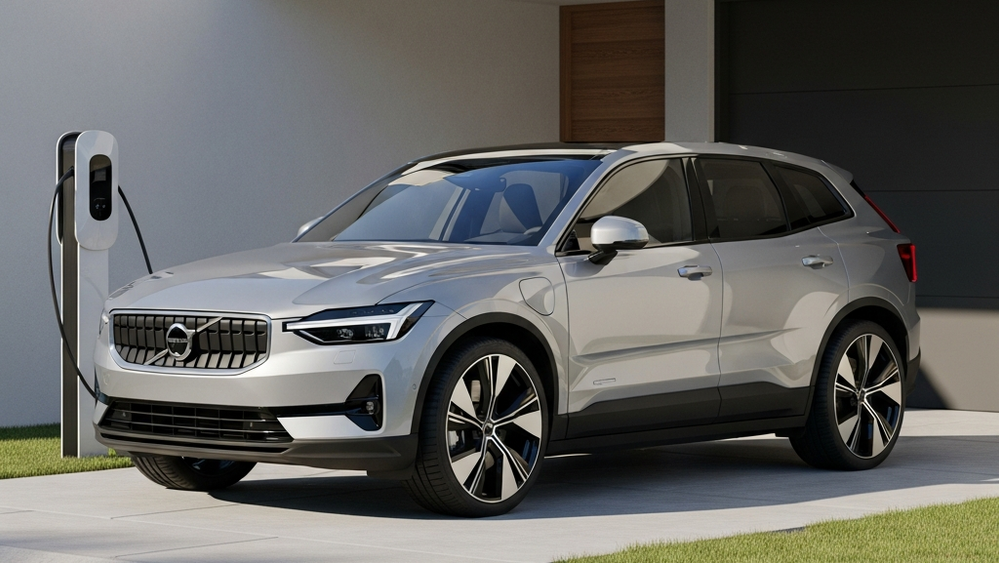
Volvo Cars has announced a significant recall affecting approximately 40,000 of its electric SUVs due to a critical safety defect involving high-voltage battery fire risks. According to recent reports, the manufacturer identified a potential short circuit within the battery modules that could lead to a thermal event even when the vehicle is parked. This recall underscores the ongoing challenges facing the EV industry as it balances rapid innovation with consumer safety. Impacted owners are being advised to park their vehicles outdoors and away from structures until the necessary repairs can be completed. This news follows a string of similar safety concerns across the automotive sector regarding lithium-ion battery stability.
Affected by a Motor Vehicle Issue?
Our specialized tool can help you estimate the potential worth of your case based on current laws and precedents.
Determining Liability in Electric Vehicle Fire Claims
When a vehicle manufacturer releases a product with a known fire hazard, they may be held strictly liable under product liability laws. Legal theories often center on design defects or manufacturing flaws that make the vehicle unreasonably dangerous for its intended use. In cases involving high-tech components like EV batteries, the burden often falls on the manufacturer to prove they took all necessary steps to ensure consumer safety. Similar to how a judge upheld a verdict against Tesla for Autopilot failures, Volvo could face significant litigation if these battery defects result in property damage or personal injury. Attorneys will look closely at when the company first became aware of the fire risk and whether they acted promptly to warn the public.
How to Protect Your Family and Your Legal Interests
If you own one of the affected Volvo electric SUVs, your first priority should be following the manufacturer’s safety instructions, which often include parking the vehicle away from your home to prevent house fires. You should immediately verify your vehicle's status by entering your VIN on the NHTSA recall database. It is also crucial to document a defective product claim by keeping records of all communications with the dealership and any expenses incurred due to the loss of use of your vehicle. Avoid signing any waivers or broad release forms offered by the manufacturer without first consulting a legal professional. Keeping a detailed log of any warning signs like battery overheating or unusual software alerts can also serve as vital evidence if a legal claim becomes necessary.
Potential Damages and Recovery for Affected SUV Owners
Compensation in vehicle defect cases can vary widely depending on whether the defect caused a specific incident or simply resulted in financial loss. Owners may be entitled to recover the cost of repairs, out-of-pocket expenses for alternative transportation, and the diminished value of the vehicle now associated with a fire risk. If a battery fire causes physical harm or property damage, the potential recovery increases significantly to include medical bills, pain and suffering, and property replacement costs. Similar to the complexities seen in the Boston Scientific device litigation, these cases often involve expert testimony to quantify the long-term impact of the defect on the victim's life. Calculating these damages requires a thorough understanding of both current market values and future economic losses.
Navigating Product Liability and Lemon Law Statutes
The legal framework for this recall is primarily governed by state-level product liability statutes and Lemon Laws designed to protect consumers from defective vehicles. Most jurisdictions follow the principle of strict liability, meaning a plaintiff only needs to prove the product was defective and caused injury, rather than proving the manufacturer was negligent. It is also important to be aware of the statute of limitations, which varies by state but typically provides a two-year window from the date of the injury or discovery of the defect to file a lawsuit. Federal regulations set by the National Highway Traffic Safety Administration (NHTSA) also mandate how recalls are handled and what remedies must be provided to consumers. Understanding these intersecting laws is essential for any owner seeking to hold a multi-billion dollar corporation accountable for safety failures.
Discover the Real Value of Your Volvo Defect Case
Navigating a major automotive recall can be overwhelming, especially when your safety and financial security are at stake. You do not have to guess what your case might be worth or settle for whatever the manufacturer offers initially. Our free case evaluation tool is designed to help you understand the potential value of your claim based on the specific details of your situation. By answering a few simple questions, you can gain clarity on your legal options and the next steps you should take to protect your rights. Take the first step toward securing the compensation you deserve by using our interactive calculator today. Don't leave your recovery to chance when expert guidance is just a few clicks away.
Disclaimer: This blog post is for informational purposes only and does not constitute legal advice. For specific legal guidance regarding your situation, please consult with a qualified attorney.