State Farm Faces Lawsuits Over Alleged Secret Payout Cuts
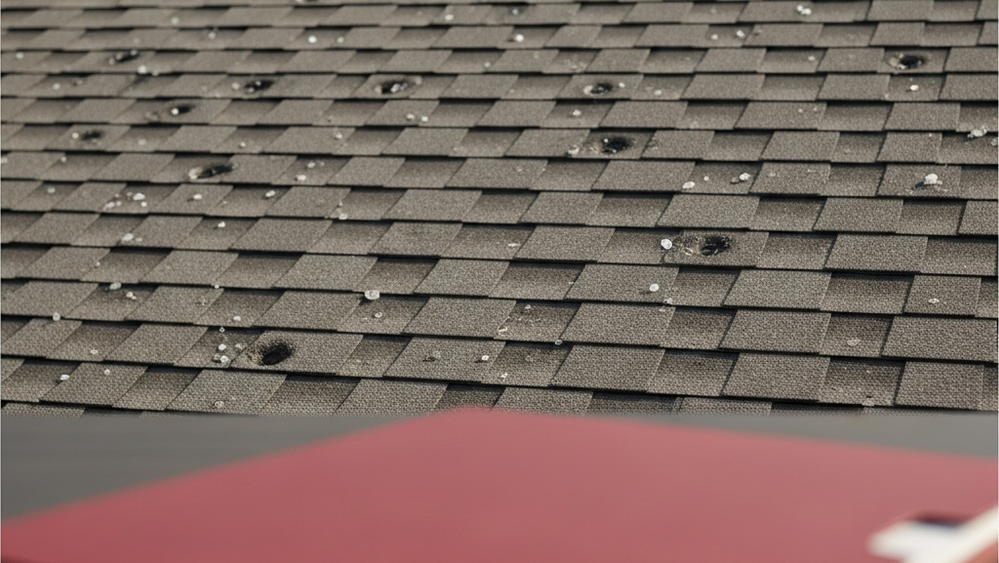
In a significant legal development, State Farm is facing mounting lawsuits alleging the insurance giant utilized covert tactics to systematically reduce or avoid paying legitimate hail damage claims. According to recent reports, homeowners are increasingly finding themselves in disputes over property damage as insurance costs continue to soar nationwide. These legal challenges come at a time when climate change is driving more frequent and severe weather events, placing additional pressure on both insurers and policyholders. The litigation suggests that the company may have intentionally manipulated its assessment processes to keep payouts low. For many homeowners, these denials or underpayments represent a significant financial blow during an already stressful recovery period following a disaster.
Affected by a Insurance Bad Faith Issue?
Our specialized tool can help you estimate the potential worth of your case based on current laws and precedents.
Proving Liability in Insurance Bad Faith Litigation
When an insurance company fails to honor its contractual obligations, it may be held liable for what is known as insurance bad faith. Liability in these cases often hinges on whether the insurer had a reasonable basis for denying or underpaying a claim or if they failed to conduct a thorough and fair investigation. If the allegations against State Farm prove true, the company could be responsible for not only the original claim amount but also punitive damages meant to deter such conduct. Proving liability usually requires demonstrating that the insurer's actions were intentional or reckless rather than a simple administrative error. Courts look closely at internal documentation and adjusting practices to determine if a pattern of deceptive behavior exists.
How to Fight Back Against a Denied Hail Insurance Claim
If you believe your insurer is unfairly withholding funds, the first step is to carefully document all damage and communications with your adjuster. You should request a written explanation for any denial, as written denial letters serve as critical evidence in a future legal dispute. It is also wise to understand how to fight back by gathering independent repair estimates from trusted local contractors to contrast with the insurer's lowball offer. Before accepting any settlement that seems inadequate, you should use our free case calculator to estimate the true value of your legal matter. Taking these proactive steps ensures you have the necessary documentation to support a claim of bad faith or breach of contract.
Potential Damages and Recovery in Insurance Disputes
Victims of insurance bad faith can often recover much more than just the cost of their roof repairs or property replacement. Compensation typically includes the full value of the covered loss, interest on the delayed payment, and reimbursement for attorney fees and court costs. In cases involving particularly egregious behavior, plaintiffs may also seek general damages for emotional distress caused by the financial strain. Understanding how lawyers and insurers calculate case value is essential because it reveals how non-economic factors and statutory penalties can multiply your total recovery. Depending on the state, statutory damages can sometimes double or triple the original claim amount if a court finds the insurer acted willfully.
Legal Framework: The Duty of Good Faith and Fair Dealing
Most states recognize an implied covenant of good faith and fair dealing in every insurance contract, requiring companies to treat policyholders' interests with the same weight as their own. Homeowners should be aware that the statute of limitations for filing a bad faith claim varies significantly depending on your jurisdiction. Many jurisdictions have specific consumer protection acts, such as the Unfair Insurance Practices Act, which outline what constitutes illegal behavior by an insurance carrier. Additionally, the Federal Trade Commission monitors broad patterns of consumer fraud that may intersect with large-scale insurance litigation. Navigating these overlapping state and federal regulations often requires a detailed review of your specific policy language and local case law.
Determine the True Value of Your Insurance Claim Today
Don't let a major corporation tell you what your property and peace of mind are worth without a second opinion. If you are struggling with a claim that was denied or undervalued, you have the right to seek justice and hold the insurer accountable for their promises. Our specialized tools are designed to help you navigate the complexities of property damage litigation and insurance bad faith. You can quickly see what your situation might be worth by using our insurance bad faith calculator to evaluate your specific damages. Taking action now is the best way to ensure you meet all legal deadlines and secure the financial resources you need to repair your home and move forward.
Disclaimer: This blog post is for informational purposes only and does not constitute legal advice. For specific legal guidance regarding your situation, please consult with a qualified attorney.