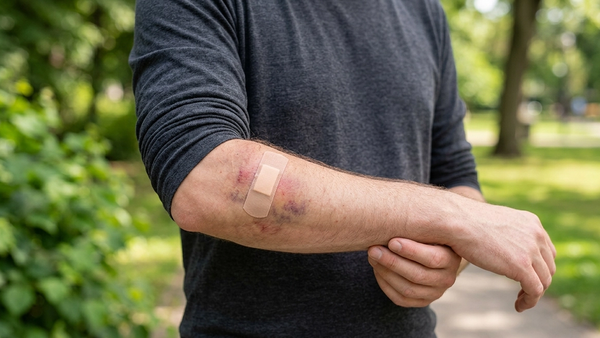
Introduction: The Vulnerability of Joggers and Walkers
For many, a daily jog or a brisk walk through a neighborhood or local park is a vital part of a healthy routine. However, this peaceful activity can instantly turn into a traumatic event when an unrestrained or aggressive dog attacks. Joggers and walkers are particularly vulnerable to dog attacks because the rapid movement of running can trigger a dog’s predatory chase instinct. Unlike a person standing still, a jogger is often perceived by a dog as something to be pursued and caught.
When a dog attack occurs, the physical and emotional toll can be life-altering. Victims often face severe puncture wounds, infections, nerve damage, and deep psychological scarring. In the legal world, recovering compensation for these injuries typically hinges on the ability to prove the owner's negligence. Understanding the nuances of dog bite law and the specific evidence required to build a case is essential for anyone seeking justice after an attack. This guide provides an authoritative look at how to navigate the legal complexities of proving negligence following a dog attack while jogging or walking.
Affected by a Dog Bites Issue?
Our specialized tool can help you estimate the potential worth of your case based on current laws and precedents.
Understanding the Four Pillars of Negligence
In most jurisdictions, a personal injury claim for a dog attack is rooted in the legal theory of negligence. To hold a dog owner responsible under common law negligence, a plaintiff must establish four specific elements. If any of these pillars are missing, the claim may fail to yield a settlement.
1. Duty of Care
The first step is proving that the dog owner owed a duty of care to the victim. Generally, dog owners have a legal obligation to manage their pets in a way that prevents them from harming others. This is especially true in public spaces or on private property where individuals are legally allowed to be, such as a jogger on a sidewalk or a delivery person on a porch. To learn more about how legal duty is established, you can study the 4 pillars of negligence.
2. Breach of Duty
Once a duty of care is established, you must show the owner breached that duty. A breach occurs when the owner fails to act as a "reasonably prudent person" would in similar circumstances. For a jogger, this might mean the owner left a gate unlatched, failed to use a sturdy leash, or allowed a known aggressive dog to roam a front yard without a fence.
3. Causation
Causation connects the owner's breach directly to the victim's injuries. You must prove that "but for" the owner's failure to restrain the dog, the attack would not have happened. In some cases, the defense may argue that the dog was startled by something else or that the jogger provoked the animal, making causation a central battleground in the litigation.
4. Damages
Finally, the victim must have suffered actual losses, known as damages. In dog attack cases, these are often quite visible, such as medical bills and lost wages. However, they also include non-economic losses like pain, suffering, and the loss of the ability to enjoy jogging or outdoor activities without fear. Check your potential claim value using our dog bite settlement calculator.
Strict Liability vs. The One-Bite Rule
State laws vary significantly regarding how liability is assigned in dog attack cases. Most states follow one of two primary doctrines: strict liability or the "one-bite rule."
Strict Liability Statutes
In many states, lawmakers have passed strict liability statutes. Under these laws, a dog owner is liable for injuries caused by their dog even if the dog has never shown aggression before and the owner took reasonable precautions. For a jogger hit by a dog in a strict liability state, the legal burden is significantly lower. You don't necessarily have to prove the owner was "careless"; you simply need to prove the dog belonged to the owner, you were in a lawful place, and the dog caused the injury.
The One-Bite Rule
In contrast, some states still adhere to the traditional one-bite rule. This doctrine suggests that an owner is only liable if they knew, or should have known, that the dog had a "vicious propensity." Essentially, the dog gets one "free" bite before the owner is held legally accountable. However, "vicious propensity" doesn't always require a previous bite; it can be proven through dog aggression history, such as a history of lunging, growling at passersby, or being trained as a guard dog. Understanding whether your state follows strict liability and the one-bite rule is the first step in determining the strength of your case.
The Role of Leash Laws and Negligence Per Se
One of the most effective ways to prove negligence in a dog attack case is by demonstrating that the owner violated a local ordinance or state law. Most municipalities have "leash laws" that require dogs to be physically restrained by a leash when in public or off the owner's property.
When an owner violates a leash law and their dog attacks a jogger, the legal concept of "negligence per se" may apply. Negligence per se means that an act is considered negligent because it violates a statute intended to protect the public. If a city code requires all dogs to be on a six-foot leash and an owner allows their dog to run loose in a park, that owner is often automatically deemed negligent if the dog bites someone. According to the Legal Information Institute, proving a statutory violation can simplify the path to a successful settlement because the focus shifts from the owner's general behavior to the specific violation of the law.
Proving the Owner's Knowledge of Danger
If you live in a one-bite rule state, proving the owner had "scienter"—legal knowledge of the dog's dangerous nature—is the core of your case. This requires a deep dive into the dog's past behavior. Evidence that can establish this knowledge includes:
- Previous complaints to animal control or the police regarding the dog.
- Testimony from neighbors who have seen the dog act aggressively toward other runners or cyclists.
- The use of "Beware of Dog" signs on the property, which can imply the owner knows the dog is a threat.
- Evidence that the owner previously kept the dog muzzled or locked away when visitors arrived.
- The dog's breed history, although many courts are moving away from breed-specific evidence unless paired with individual behavioral history.
Evidence Collection at the Scene of the Attack
The moments following a dog attack are chaotic, but the evidence gathered during this time is often the most critical. If you are physically able, taking the following steps will significantly strengthen your negligence claim:
Identify the Dog and Owner
Do not let the owner leave without providing their contact information and, if possible, proof of homeowners insurance. Take a photo of the dog from a safe distance. Many owners may try to claim it wasn't their dog or that the dog was actually on a leash at the time.
Document the Scene
Use your phone to take photos of where the attack occurred. Look for evidence of the owner’s negligence: Was there a hole in the fence? Was a gate left open? Was there a broken leash on the ground? These visual cues prove the breach of duty.
Witness Information
Joggers and walkers are rarely alone. If other people in the park or neighborhood saw the attack, get their names and phone numbers. Independent witness testimony is incredibly powerful in countering an owner’s claim that the dog was provoked.
Medical Documentation and Its Impact on Value
In a dog attack case, your medical records serve as the primary proof of your damages. It is vital to seek medical attention immediately, even if the wounds seem minor. According to the Centers for Disease Control and Prevention (CDC), nearly 1 in 5 dog bites becomes infected. Documentation of the initial treatment, follow-up care, and any complications (like rabies shots or tetanus boosters) creates a paper trail for insurers.
Furthermore, the long-term impact of the injury must be documented. For joggers, a bite to the leg or ankle can result in scarring that affects mobility or requires physical therapy. If the attack resulted in permanent disfigurement, the settlement value typically increases. For instance, facial injuries from dog attacks command much higher settlements due to the cost of plastic surgery and the psychological distress associated with visible scarring.
Comparative Negligence: Can a Jogger Be at Fault?
Defense attorneys and insurance adjusters often try to shift the blame onto the victim to reduce the payout. In the context of a jogger or walker, they may argue that the victim "provoked" the dog. Common (though often weak) defense arguments include:
- The jogger was running too close to the dog.
- The jogger was wearing high-visibility clothing or making loud noises that startled the animal.
- The jogger ignored warning signs or entered private property.
- The jogger kicked or struck the dog in self-defense (which the defense will characterize as provocation).
Most states use a "comparative negligence" system. This means if a jury finds you 20% at fault for the incident, your total award is reduced by 20%. Proving that you were acting in a lawful, predictable manner as a pedestrian is key to defeating these tactics. You can explore how fault impacts your check with our auto accident fault guide, which shares similar principles with premises-based dog attacks.
The Role of Homeowners and Renters Insurance
Most people do not have the liquid assets to pay for a major dog bite settlement out of pocket. Instead, these claims are usually paid through the owner's homeowners or renters insurance policy. These policies typically provide liability coverage for dog bites that occur both on and off the property.
However, insurance companies are not in the business of paying out large sums easily. They may cite "breed exclusions" in the owner's policy to deny coverage or argue that the attack didn't happen as described. Understanding the limits of the owner's policy is a critical part of the legal discovery process. If the owner has no insurance, your legal team may need to look for other avenues of recovery, such as the liability of a landlord if the attack occurred on a rental property where the landlord knew a dangerous animal was present.
Economic vs. Non-Economic Damages
When calculating the value of a dog attack claim, lawyers divide damages into two main categories: economic and non-economic.
Economic Damages
These are the objective financial losses you have incurred. They include:
- Hospital bills and medication costs.
- Lost wages from time missed at work.
- Future medical expenses, such as scar revision surgery or skin grafts.
- Physical therapy to regain mobility.
Non-Economic Damages
These are subjective and harder to quantify, but often represent the largest portion of a settlement. They include:
- Pain and suffering.
- Emotional distress (PTSD, fear of dogs, anxiety when outdoors).
- Loss of consortium (impact on relationships).
- Loss of enjoyment of life (e.g., if you can no longer run marathons due to your injuries).
According to Nolo, insurance adjusters often use a multiplier (ranging from 1.5 to 5) of your medical bills to estimate non-economic damages, depending on the severity of the owner’s negligence and the permanence of your injuries.
Dealing with Insurance Adjusters After an Attack
Shortly after the report is filed, an insurance adjuster will likely contact you. It is important to remember that the adjuster works for the insurance company, not you. Their goal is to settle the claim for the lowest possible amount. They may ask for a recorded statement, which they can later use to find inconsistencies in your story.
Never sign a medical release form that gives them access to your entire medical history; they only need records related to the attack. Often, adjusters will offer a "quick settlement" within days of the injury. While this cash may be tempting, it usually doesn't cover future medical needs or the full extent of your pain and suffering. It is almost always better to wait until you have reached Maximum Medical Improvement (MMI) before discussing final settlement numbers.
Statutes of Limitations: Don't Wait Too Long
Every state has a deadline for filing a personal injury lawsuit, known as the statute of limitations. For dog bite cases, this is usually between two and four years from the date of the attack. If you fail to file a lawsuit within this window, you lose your right to recover compensation forever. While this seems like a long time, building a case for negligence requires time to gather evidence, interview witnesses, and wait for medical treatments to conclude. Consult the American Bar Association for more on how these deadlines protect the integrity of evidence and legal proceedings.
Conclusion: Seeking Justice for Your Injuries
A dog attack while jogging is a terrifying experience that can leave lasting physical and emotional scars. Proving the owner's negligence is the path to securing the compensation you need to cover medical bills, lost wages, and the pain you've endured. By understanding the laws in your state, collecting rigorous evidence, and documenting the full extent of your damages, you can hold irresponsible dog owners accountable.
Whether the owner violated a local leash law or failed to secure a dog with a known history of aggression, you have rights. The legal process can be daunting, but you don't have to navigate it alone. Evaluating the strength and value of your case is the first step toward recovery.
If you or a loved one has been injured in a dog attack, take action today. Use our free dog bite settlement calculator to see what your claim could be worth based on your specific injuries and location.
Disclaimer: This blog post is for informational purposes only and does not constitute legal advice. For specific legal guidance regarding your situation, please consult with a qualified attorney.