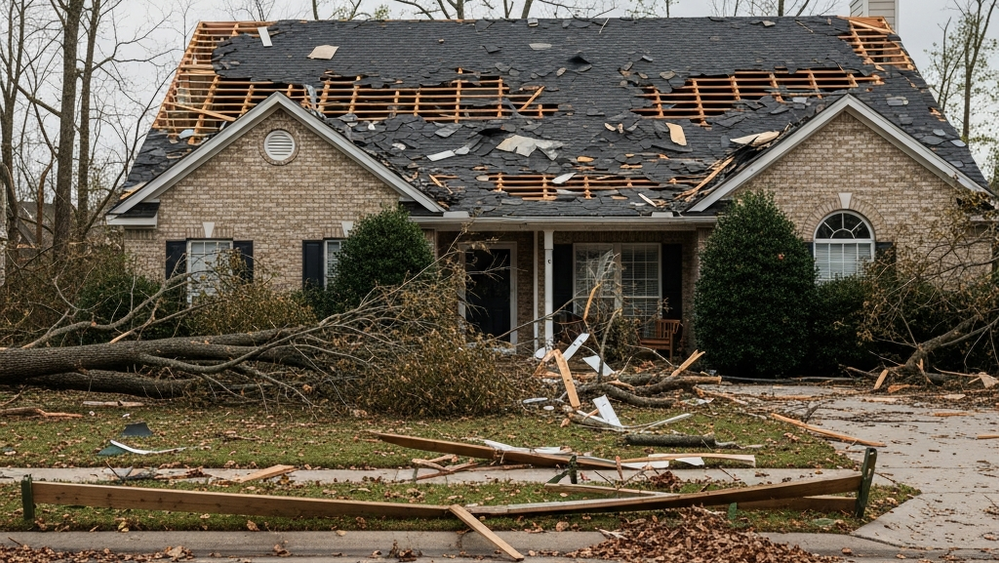
Understanding Why Your Disaster Insurance Claim Was Denied
Facing the aftermath of a natural disaster is an overwhelming experience. When you finally reach out to your insurance provider, expecting the protection you have paid for through years of premiums, receiving a denial letter can feel like a second catastrophe. However, a denial is not necessarily the final word. Understanding the specific reasoning behind an insurance company's decision is the first step in mounting a successful challenge. In many cases, insurers use vague language or narrow interpretations of policy terms to avoid paying out large settlements after widespread catastrophes like hurricanes, wildfires, or floods.
Common reasons for denial include alleged lack of coverage for the specific peril, failure to maintain the property, or late filing. For example, if your home suffered significant water damage during a hurricane, the insurer might claim the damage was caused by flooding (which requires a separate policy) rather than wind-driven rain. Distinguishing between these causes is a frequent point of contention. Additionally, insurers may cite "pre-existing damage" as a reason to lower the payout or deny the claim entirely, arguing that the wear and tear on your roof existed prior to the storm.
It is also critical to understand the technical definitions found in your policy. Phrases like "ensuing loss" or "anti-concurrent causation" can drastically change the outcome of a claim. According to the Cornell Law School Legal Information Institute, an insurance policy is a contract where the insurer agrees to indemnify the insured against loss, but these contracts are often drafted with complex exclusionary language that favors the provider. If you believe your claim was wrongfully rejected, you must dig into the specifics of your policy's "Declarations Page" and "Exclusions" sections to find the discrepancies in the insurer's logic.
Affected by a Insurance Bad Faith Issue?
Our specialized tool can help you estimate the potential worth of your case based on current laws and precedents.
The Legal Concept of Insurance Bad Faith
Insurance companies have a legal duty to act in "good faith" and deal fairly with their policyholders. This means they are required to investigate claims promptly, interpret policy language reasonably, and offer fair settlements when liability is clear. When an insurer intentionally or recklessly fails to meet these obligations, they may be committing insurance bad faith. Bad faith is more than just a disagreement over the value of a claim; it involves dishonest or unfair practices designed to protect the company's bottom line at the expense of the policyholder.
Examples of bad faith following a natural disaster include:
- Unreasonably delaying the investigation or processing of a claim.
- Failing to provide a prompt and reasonable explanation for a denial.
- Offering a settlement that is significantly lower than the actual value of the damage without a valid reason.
- Misrepresenting policy language to the claimant.
- Threatening the policyholder to discourage them from pursuing a claim.
If your insurer is found to have acted in bad faith, you may be entitled to more than just the original value of your claim. In some jurisdictions, courts may award punitive damages to punish the insurer for their conduct and deter future misconduct. This is similar to how legal standards allow for higher awards in other areas of law, such as when willful infringement leads to triple damages in intellectual property disputes. Proving bad faith requires significant evidence, including a paper trail of all communications and proof that the insurer's actions deviated from standard industry practices.
Immediate Actions to Take After a Denial Letter
Once you receive a formal denial, the clock starts ticking on your ability to appeal or file a lawsuit. The very first thing you should do is request a full, written explanation of the denial that cites the specific policy language the insurer is relying on. Verbal denials over the phone are not sufficient and should always be followed up with a request for written documentation.
Next, organize your records. This includes:
- A complete copy of your insurance policy, including all endorsements and riders.
- All correspondence with the insurance company, including emails, letters, and logs of phone calls (noting the date, time, and name of the person you spoke with).
- Your own independent evidence of the damage, such as photos taken before and after the disaster.
- Receipts for any emergency repairs you made to prevent further damage, such as tarping a roof or boarding up windows.
It is essential to stay organized. Following a disaster, the volume of claims can lead to administrative errors within insurance companies. If you can prove that you followed all procedural requirements, you weaken their ability to deny your claim based on technicalities. If the disaster involved specific property loss, such as a house fire caused by a defective product, you may have multiple avenues for recovery, involving both your homeowner's insurance and potential product liability claims.
Documenting Evidence: The Foundation of Your Appeal
In the world of insurance litigation, evidence is everything. The insurance company's adjuster will spend a limited amount of time on your property, often overlooking secondary damage that could lead to major issues later, such as mold growth or structural instability. To fight back, you must be your own best advocate.
- Comprehensive Photography and Video: Document every room from multiple angles. Do not just photograph the obvious damage; photograph the surrounding areas to show the extent of the disaster's impact. Use a ruler in photos to show the depth of floodwaters or the size of hail indentations.
- Inventory of Personal Property: Create a detailed list of every item lost or damaged. Include the brand, model, age, and estimated replacement cost. If you have old receipts or bank statements showing the original purchase price, include them.
- Expert Opinions: Sometimes, you need a professional to contradict the insurance company's adjuster. This might include a structural engineer, a licensed contractor, or a mold remediation specialist. Their reports can serve as powerful evidence that the insurer's assessment was inadequate.
- Weather Reports: Official data from the National Oceanic and Atmospheric Administration (NOAA) can prove that the weather conditions at your specific location were severe enough to cause the claimed damage, counteracting any arguments that the damage was pre-existing.
Reading Your Policy: Declarations, Exclusions, and Endorsements
To the untrained eye, an insurance policy looks like a wall of impenetrable legalese. However, most policies follow a standard structure. Understanding this structure allows you to point out exactly where the insurer is failing to meet their obligations.
- The Declarations Page: This is usually the first page and provides a summary of your coverage limits, deductibles, and the period of coverage. If your denial claims you are over your limit, check this page first.
- Insuring Agreement: This section describes what the insurer promises to cover in exchange for your premium. It is usually written broadly.
- Exclusions: This is where the insurer limits their risk. Common exclusions include "earth movement" (earthquakes), "water damage" (floods), and "neglect." Most disaster-related legal battles occur because of how these exclusions are interpreted.
- Conditions: these are the rules you must follow to get paid, such as notifying the company promptly or protecting the property from further loss.
- Endorsements/Riders: These are amendments to the original policy. They can either add coverage (like a sewer backup rider) or take it away.
When a disaster strikes, many people realize too late that their basic policy excludes the very thing that destroyed their home. For instance, windstorm damage is often covered, but the resulting flood is not. This is known as a "concurrent causation" issue, where two events happen at once, but only one is covered. Legal precedents vary by state on how these situations are handled.
Public Adjusters vs. Attorneys: Choosing Your Representative
When your claim is denied, you may feel you need professional help to navigate the complexities of the law. You generally have two options: a public adjuster or an insurance attorney.
Public adjusters are independent professionals who you hire to estimate the damage and negotiate with the insurance company. They typically work for a percentage of the final settlement. While they are excellent at identifying missed physical damage, they cannot file lawsuits or provide legal advice.
An insurance attorney, on the other hand, can handle the legal nuances of "bad faith" and breach of contract. If the insurer is being completely unreasonable, an attorney can file a summons and complaint in court. The impact of trust on case outcomes is significant; you need a representative who understands the local court system and has a history of taking insurers to task. Many attorneys work on a contingency fee basis, meaning they only get paid if they successfully recover money for you. This aligns their interests with yours and allows you to seek justice even if you are currently facing financial hardship due to the disaster.
State-Specific Variations in Insurance Law
Insurance is primarily regulated at the state level, which means your rights can vary significantly depending on where you live. For example, some states have "Valued Policy Laws." In these states (like Florida or Louisiana), if a home is a total loss due to a covered peril, the insurer is required to pay the full face value of the policy, regardless of the actual cash value of the home at the time of the disaster.
Other states have strict "Prompt Payment" acts. For instance, in Texas, the Insurance Code sets specific deadlines for insurers to acknowledge a claim, begin an investigation, and accept or reject the claim. If they miss these deadlines, they may be liable for additional interest and attorney fees. California has robust consumer protection laws that prevent insurers from using "low-ball" tactics during the appraisal process. Understanding your state's specific statutes is vital, as it provides you with additional leverage during negotiations. If you are unsure about your state's rules, you can check with your state's Department of Insurance or the National Association of Insurance Commissioners (NAIC).
The Anti-Concurrent Causation Clause Explained
One of the most controversial elements of modern insurance policies is the Anti-Concurrent Causation (ACC) clause. This clause states that if a loss is caused by two perils—one covered and one excluded—the entire loss is excluded if they happen at the same time.
Consider a hurricane: The wind (covered) rips off your roof, and the storm surge (excluded flood) washes away the first floor. Under a strict ACC clause, the insurance company might argue they owe nothing because the excluded flood contributed to the total destruction of the home. These clauses have been the subject of intense litigation following events like Hurricane Katrina and Hurricane Sandy. Courts in different states interpret these clauses differently. Some find them unconscionable and unenforceable, while others uphold them strictly. A skilled attorney can help you navigate this by proving that the covered peril was the "efficient proximate cause" of the damage, which can sometimes bypass the ACC exclusion.
Calculating the True Value of Your Claim
Insurers often use proprietary software to estimate repair costs, which frequently underestimates the actual price of labor and materials in a post-disaster economy. After a major disaster, "demand surge" occurs—the price of lumber, roofing, and skilled labor skyrockets because everyone in the region needs the same services at once.
When calculating your claim's value, you must distinguish between:
- Actual Cash Value (ACV): This is the replacement cost minus depreciation. This often leaves homeowners with far less than they need to actually rebuild.
- Replacement Cost Value (RCV): This pays to replace your property with new materials of like kind and quality, without deducting for age or wear and tear.
If your policy provides for RCV, make sure the insurer isn't trying to pay you ACV. Furthermore, don't forget to include "Additional Living Expenses" (ALE). If your home is uninhabitable, your insurer should cover the cost of hotels, rental homes, and even the extra cost of meals while you are displaced. These costs add up quickly and are a standard part of most homeowners' policies. To get a better sense of what your total claim might be worth, including potential damages for bad faith, you can use a premises liability calculator to assess property-related losses or consult with a specialized insurance legal expert.
The Formal Appeals Process
If your claim is denied, the first formal step is usually an internal appeal within the insurance company. This is a chance for a different adjuster or a supervisor to review the file. When filing an appeal:
- Write a Formal Letter: Address every point made in the denial letter. Use evidence to refute their claims. For example, if they say the roof was 20 years old and failed due to age, provide a receipt showing you replaced it 5 years ago.
- Include New Evidence: Never just resubmit the same packet. Include new expert reports, more detailed photos, or witness statements from neighbors who saw the damage occur.
- Set a Deadline: Give the insurer a reasonable timeframe (e.g., 14 to 30 days) to respond to your appeal.
- Keep a Registry: Send everything via certified mail with return receipt requested so you have proof they received your appeal.
If the internal appeal fails, you may have the option of "Appraisal." This is a contractual process where both you and the insurer hire an appraiser, and those two hire an "umpire." The decision of the appraisers or the umpire is usually binding regarding the amount of the loss, though it does not resolve disputes over coverage (whether the loss is legally covered by the policy).
Mediation and Alternative Dispute Resolution
Before heading to a full-blown trial, many states and court systems require or offer mediation. Mediation is a non-binding process where a neutral third party (the mediator) helps both sides reach a settlement. It is often much faster and less expensive than litigation.
In mediation, your attorney will present your strongest evidence and point out the risks the insurance company faces if the case goes to a jury—including the risk of bad faith penalties. Insurers are often more willing to settle in mediation because it allows them to resolve the claim without the publicity and unpredictability of a trial. However, you should never feel pressured to accept a "low-ball" offer in mediation. If the insurer isn't offering enough to cover your actual losses, you retain the right to move forward with a lawsuit.
Filing a Lawsuit: Breach of Contract and Litigation
If all else fails, litigation is the final path to recovery. A lawsuit for a denied insurance claim typically involves two main causes of action:
- Breach of Contract: This alleges that the insurer failed to fulfill their promises as outlined in the insurance policy.
- Tortious Bad Faith: This alleges that the insurer's conduct was so egregious that it violated the covenant of good faith and fair dealing.
Litigation begins with the "Discovery" phase, where your attorney can demand internal documents from the insurance company. This includes the adjuster's original notes, internal emails about your claim, and the company's claims-handling manuals. This phase often reveals that the insurer had information that favored your claim but chose to ignore it. While a lawsuit can take a year or more to resolve, the threat of discovery and a jury trial often forces insurers to settle for a much higher amount than they previously offered.
Common Misconceptions About Disaster Claims
There are several myths that prevent people from successfully fighting back against insurance denials.
- "The Adjuster is on my side": The adjuster sent by the insurance company is an employee or contractor of that company. Their job is to settle the claim for the lowest amount possible that satisfies the contract. They are not your advocate.
- "Filing an appeal is useless": Statistics show that a significant percentage of denials are overturned or the settlement amount is increased upon appeal, especially when the policyholder provides new documentation.
- "I can't afford a lawyer": As mentioned, most insurance dispute attorneys work on contingency. You don't pay anything upfront, and they only take a fee if they win your case.
- "Flood insurance is included in my homeowners policy": This is the most dangerous misconception. Standard policies almost always exclude rising water. You must have a separate policy through the National Flood Insurance Program (NFIP) or a private carrier.
Conclusion and Next Steps
A denied claim after a natural disaster is not the end of the road. By understanding your policy, documenting every detail, and knowing your legal rights regarding bad faith, you can hold your insurance provider accountable. The process requires patience and persistence, but the financial stability of your family and the future of your home are worth the fight.
If you are struggling with a denial and aren't sure where to turn, the first step is determining the actual value of what you've lost. Don't let an insurance company dictate the terms of your recovery. Use our resources to understand the potential worth of your case and take the first step toward getting the compensation you deserve.
Evaluate your insurance bad faith case value today.
Disclaimer: This blog post is for informational purposes only and does not constitute legal advice. For specific legal guidance regarding your situation, please consult with a qualified attorney.