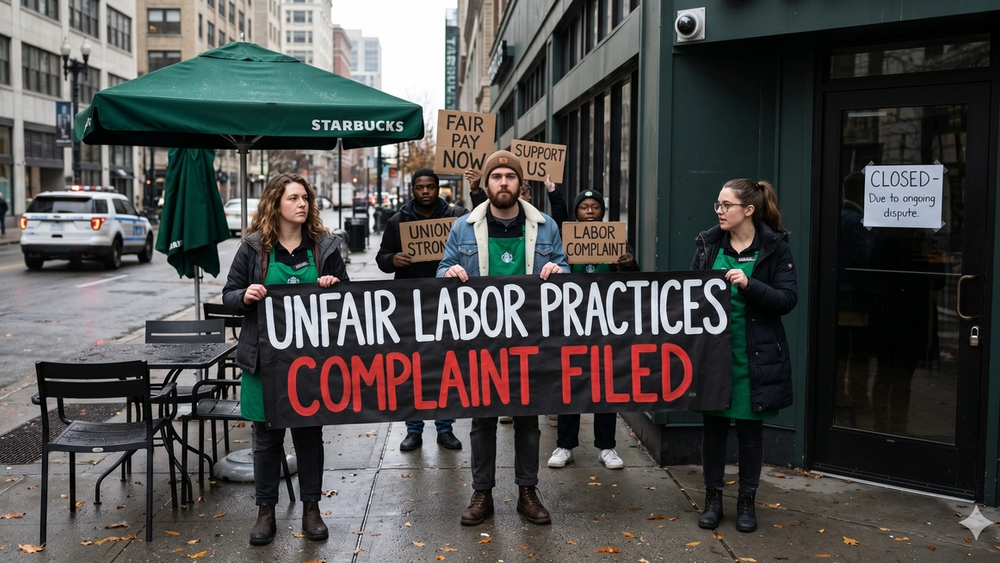
Starbucks Labor Negotiations Halted by Union Allegations
Starbucks labor negotiations have recently encountered significant setbacks following a new unfair labor practice complaint filed by the union, according to recent reports. This development comes after a period of relative optimism regarding the potential for a breakthrough in long-stalled contract discussions between the coffee giant and Workers United. The new complaint alleges that the company engaged in actions that undermine the collective bargaining process, creating fresh tension between both parties. For many employees, these legal hurdles represent a continuing struggle to secure better working conditions and formal representation. Understanding these disputes is crucial for any worker facing similar challenges in high-pressure retail environments across the country.
Affected by a Civil Rights Issue?
Our specialized tool can help you estimate the potential worth of your case based on current laws and precedents.
Identifying Liability in Corporate Labor Disputes
When a company is accused of unfair labor practices, the legal liability often centers on whether they violated the National Labor Relations Act (NLRA) by interfering with or coercing employees. Determining liability in these cases requires a thorough investigation into the employer's conduct during negotiations and their treatment of union-affiliated staff. If the National Labor Relations Board (NLRB) finds that a company acted in bad faith, the employer may be ordered to cease such activities and provide remedies for affected workers. In some instances, this might even involve addressing claims of wrongful termination if an employee was fired for reporting misconduct or participating in union activities. These legal theories are designed to ensure a level playing field between massive corporations and individual workers seeking to exercise their rights.
Immediate Steps for Workers Facing Labor Interference
If you believe your employer is engaging in unfair labor practices or violating your workplace rights, the first step is to meticulously document every interaction and incident. This includes keeping records of emails, meeting notes, and any disciplinary actions that seem retaliatory or inconsistent with company policy. You should also consult with a labor representative or an experienced attorney to understand how federal protections apply to your specific situation. Taking proactive steps can help you prepare for a potential legal claim and ensure your voice is heard during official proceedings. Additionally, you can use our free case calculator to estimate the potential value of a workplace-related legal claim.
Potential Damages and Settlement Ranges for Labor Claims
Compensation for labor-related disputes can vary significantly depending on the nature of the violation and the impact on the employee's livelihood. In cases involving unfair labor practices, common remedies include back pay for lost wages, reinstatement to a previous position, and the restoration of seniority or benefits. Settlements may also cover legal fees and other costs incurred while pursuing justice against an employer. The total recovery amount is often influenced by the duration of the violation and whether the employer's actions were found to be particularly egregious or systemic. Knowing the factors that drive these values can help victims set realistic expectations for their recovery and future financial stability.
The National Labor Relations Act and Worker Protections
The primary legal framework governing these disputes is the National Labor Relations Act, which protects the rights of employees to organize and bargain collectively. Furthermore, the Equal Employment Opportunity Commission (EEOC) provides oversight for issues related to discrimination, which can sometimes intersect with labor disputes. Workers are also protected under the National Labor Relations Board’s guidelines regarding interference with employee rights. It is important to note that statutes of limitations for filing complaints can be quite short, often requiring action within months of the alleged incident. State laws may provide additional layers of protection or specific procedures for resolving workplace grievances outside of the federal system.
Evaluate Your Claim Value with Our Professional Tool
Navigating the complexities of labor law and corporate negotiations can be overwhelming, but you do not have to face it alone. If you feel your rights have been violated or that you are being treated unfairly by your employer, taking immediate action is the best way to protect your future. Our team provides tools to help you understand the legal landscape and evaluate the strength of your potential case. We encourage you to use our free case evaluator to gain insights into what your situation might be worth in a legal setting. Start your journey toward justice today and ensure that your employer is held accountable for their actions.
Disclaimer: This blog post is for informational purposes only and does not constitute legal advice. For specific legal guidance regarding your situation, please consult with a qualified attorney.