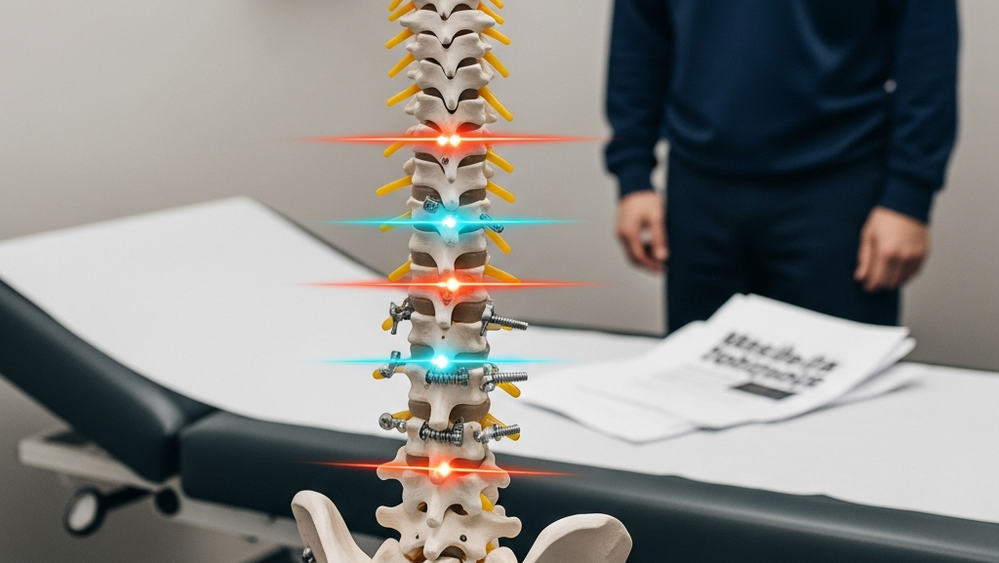
Medtronic Voyager Spinal Hardware Linked to Post-Surgical Fractures
Recent allegations have emerged regarding the Medtronic Voyager spinal system, specifically claiming that the pedicle screws used in fusion surgeries are prone to fracturing under normal physiological stress. These hardware failures can lead to significant complications for patients who have already undergone invasive procedures to stabilize their spines. According to recent reports, plaintiffs argue that the titanium screws failed to withstand the loads they were designed to support, resulting in the need for painful revision surgeries. Such failures often occur after the fusion process is supposed to be complete, leaving patients in a state of physical and emotional distress. This legal action highlights a growing concern over the durability and safety of high-stakes spinal implants and the manufacturers that produce them.
Affected by a Product Liability Issue?
Our specialized tool can help you estimate the potential worth of your case based on current laws and precedents.
Evaluating Liability for Defective Spinal Implant Hardware
Determining who is at fault for a failed spinal fusion involves looking closely at the design and manufacturing processes of the implant manufacturer. In the case of the Medtronic Voyager system, legal theories often center on product liability, specifically alleging that the hardware had a design defect that made it susceptible to fatigue and eventual fracture. Manufacturers are legally obligated to ensure that their medical devices are safe for their intended use and must provide adequate warnings about potential risks. If it can be proven that Medtronic knew or should have known about the risk of screw breakage but failed to act, they may be held strictly liable for the resulting damages. Furthermore, failing to disclose these risks prevents both surgeons and patients from making fully informed decisions regarding their healthcare and long-term recovery plans.
Critical Actions for Patients Facing Implant Complications
If you suspect that your spinal hardware has failed, your first priority must be seeking a comprehensive medical evaluation to assess the stability of your fusion. Diagnostic imaging such as X-rays or CT scans is typically necessary to confirm whether a pedicle screw has fractured or migrated from its intended position. Beyond medical care, it is essential to document your symptoms, the dates of your surgeries, and any communications you have had with your surgical team. Understanding your rights regarding informed consent is also a vital step in determining if the risks were properly communicated to you before the procedure. Finally, consulting with a legal professional who specializes in pharmaceutical liability and medical devices can help you navigate the complexities of a claim against a major manufacturer.
Potential Compensation for Revision Surgery and Long-Term Pain
Victims of failed spinal implants may be eligible for various forms of compensation to cover the extensive costs associated with hardware failure. Economic damages typically include the cost of the initial surgery, the expenses for diagnostic testing, and the significant bills related to revision surgery to remove and replace the broken hardware. Additionally, patients can seek recovery for non-economic damages, such as physical pain and suffering, emotional distress, and a diminished quality of life. Lost wages and loss of future earning capacity are also factored in if the injury prevents the patient from returning to work or performing their previous job duties. Because spinal injuries are often permanent, calculating the long-term impact on your daily life is a crucial part of determining the true value of your claim.
Navigating the Legal Landscape of Medical Device Litigation
Lawsuits involving medical devices like the Medtronic Voyager system fall under a complex intersection of product liability and healthcare law. Every state has a specific statute of limitations that dictates how long a victim has to file a claim after discovering an injury or a hardware defect. It is also important to consider medical malpractice damage caps, which may limit the amount of non-economic compensation available in certain jurisdictions. These cases often require expert testimony from bio-mechanical engineers and orthopedic surgeons to prove that the device was faulty. Staying informed about the personal injury lawsuit timeline can help plaintiffs manage their expectations as their case moves through the court system toward a potential settlement.
Determine the Value of Your Spinal Implant Claim Today
Dealing with the aftermath of a failed spinal surgery is an overwhelming experience that no patient should have to face alone. If you have been told your Medtronic Voyager hardware has fractured or if you are experiencing unexplained pain after a fusion, you deserve to know where you stand legally. Our team provides resources to help you understand the potential worth of your case based on the specific details of your injury and treatment history. By using our free case evaluator, you can take a proactive step toward holding negligent manufacturers accountable for their products. Don't let the window for seeking justice close; find out today if you are eligible for compensation that can help you rebuild your life and move forward.
Disclaimer: This blog post is for informational purposes only and does not constitute legal advice. For specific legal guidance regarding your situation, please consult with a qualified attorney.