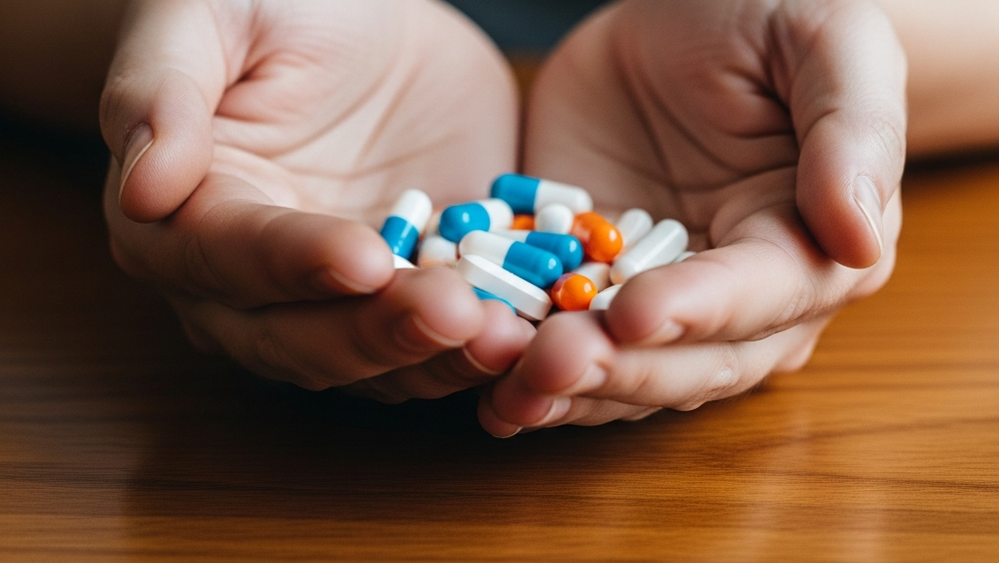
Introduction to Pharmaceutical Liability
Every year, millions of Americans rely on prescription and over-the-counter medications to manage chronic conditions, recover from illnesses, and improve their quality of life. We trust that the pharmaceutical companies producing these drugs have conducted rigorous testing and that the regulatory bodies overseeing them have ensured their safety. However, the reality of the pharmaceutical industry is often more complex and, in many cases, more dangerous than patients realize. When a drug causes unforeseen harm, the legal framework used to hold manufacturers accountable is known as pharmaceutical liability.
Pharmaceutical liability falls under the broader umbrella of product liability law. It is a specialized field that addresses the legal responsibilities of drug manufacturers, distributors, and sometimes medical professionals when a medication results in injury or death. This guide aims to provide a comprehensive overview of how these lawsuits work, the types of defects that lead to litigation, and how victims can navigate the path toward justice and compensation.
Affected by a Product Liability Issue?
Our specialized tool can help you estimate the potential worth of your case based on current laws and precedents.
The Core Principles of Pharmaceutical Product Liability
In most personal injury cases, the plaintiff must prove that the defendant was negligent. However, in pharmaceutical liability cases, the standard is often "strict liability." Under strict liability, a manufacturer can be held responsible for a defective product regardless of whether they were intentionally negligent. If the product was defective and that defect caused an injury, the company may be liable.
Strict Liability vs. Negligence
While strict liability is common, many dangerous drug lawsuits also incorporate negligence claims. Negligence occurs when a company fails to exercise reasonable care in the design, testing, or marketing of a drug. For instance, if a company knew about a potential side effect but chose to bury the data to maintain sales, they have crossed the line from a simple product defect into active negligence.
Breach of Warranty
Another legal theory often cited is the breach of warranty. When a drug is sold, there is an "implied warranty of merchantability," meaning the product is fit for its intended use. There may also be "express warranties" based on the manufacturer’s specific claims in advertisements or packaging. If a drug is unsafe, it has failed to meet these warranties.
Three Primary Types of Drug Defects
In the eyes of the law, a pharmaceutical product can be defective in three distinct ways. Identifying which category a case falls into is essential for building a successful legal strategy.
1. Design Defects
A design defect occurs when a drug is inherently dangerous even when manufactured correctly. In these cases, the risks of the drug outweigh its therapeutic benefits. Even if the drug is used exactly as intended, the fundamental chemical composition causes harm that could have been avoided with a safer alternative design.
2. Manufacturing Defects
Unlike design defects, manufacturing defects occur during the production or distribution process. The drug’s design might be safe, but a specific batch becomes contaminated or is improperly formulated. These defects are often limited to certain lots of a medication rather than the entire product line.
3. Failure to Warn (Marketing Defects)
This is perhaps the most common ground for dangerous drug lawsuits. Manufacturers have a legal obligation to warn patients and doctors about known side effects and risks. If a company fails to provide adequate warnings or downplays the risks in their marketing materials, they can be held liable for injuries resulting from those undisclosed dangers. This is often where we see parallels to medical malpractice cases, as the failure to communicate risks impacts the standard of care.
The Role of the FDA and Federal Preemption
The Food and Drug Administration (FDA) is the primary regulatory body for medications in the United States. A common misconception is that FDA approval shields a pharmaceutical company from all liability. While FDA approval is a rigorous process, it is not a guarantee of safety, and it does not grant companies immunity.
The "Preemption" Defense
Pharmaceutical companies often argue that because the FDA approved their labels and formulations, state-level lawsuits should be "preempted" by federal law. The Supreme Court has issued several rulings on this. Generally, for brand-name drugs, manufacturers are still liable for failing to update their labels with new safety information. However, for generic drugs, the rules are stricter, making it more difficult (though not impossible) to sue generic manufacturers for failure-to-warn claims.
Post-Market Surveillance
The FDA relies heavily on "post-market surveillance." This means many dangerous side effects are only discovered after the drug is used by millions of people in the real world. This delayed discovery is why many lawsuits emerge years after a drug first hits the market.
Key Parties Involved in Dangerous Drug Lawsuits
Determining who is at fault requires a deep dive into the supply chain of the medication. While the manufacturer is the primary target, other entities may share liability.
- Pharmaceutical Manufacturers: The giants who develop, test, and market the drugs.
- Testing Laboratories: Independent labs hired to conduct safety trials may be liable if they falsified data.
- Distributors and Wholesalers: Companies responsible for the transport and storage of drugs, particularly in contamination cases.
- Pharmacies: If a pharmacy provides the wrong dosage or fails to check for dangerous drug interactions, they may be held responsible.
- Physicians: Doctors have a duty to stay informed about the drugs they prescribe. If a doctor prescribes a medication that is clearly contraindicated for a patient’s condition, it may transition into a failure to diagnose or treat claim or a standard malpractice suit.
Notable Pharmaceutical and Medical Device Lawsuits
History is filled with examples of medications that were initially hailed as "miracle drugs" but were later found to be devastatingly harmful. Understanding these cases provides a blueprint for how modern litigation proceeds.
The Opioid Crisis
Perhaps the most significant pharmaceutical litigation in history involves the manufacturer and distribution of opioid painkillers. These lawsuits allege that companies downplayed the addictive nature of the drugs, leading to a nationwide public health crisis. Thousands of individual and governmental lawsuits have resulted in multi-billion dollar settlements.
Zantac (Ranitidine)
Recent litigation surrounding the heartburn medication Zantac involves allegations that the drug contained high levels of a carcinogen called NDMA. Plaintiffs argue that the manufacturers knew about the contamination but failed to warn the public.
Medical Device Overlaps
It is important to note that pharmaceutical liability often overlaps with medical device liability. For example, recent litigation regarding the Bard PowerPort focuses on defects in the device used to deliver medications, which can lead to severe infections or fractures. Similarly, issues like breast mesh complications highlight how implanted products can cause systemic health issues similar to dangerous drugs.
Proving Causation: The Scientific Burden
The most challenging aspect of any dangerous drug lawsuit is proving causation. It is not enough to show that you took a drug and then suffered an injury; you must prove that the drug caused the injury.
General vs. Specific Causation
- General Causation: Does the drug have the capacity to cause the injury in the general population? This is established through peer-reviewed studies and clinical trials.
- Specific Causation: Did the drug cause the injury to this specific plaintiff? This involves looking at the patient’s medical history, other medications they were taking, and whether there were any other potential causes for the injury.
Expert Witnesses
Because pharmaceutical cases are so complex, they rely heavily on expert witnesses. These are typically toxicologists, pharmacologists, and medical doctors who can explain to a jury how a chemical compound interacts with the human body and why a specific defect led to the plaintiff’s harm. This level of detail is also common in other specialized medical claims, such as birth injury lawsuits, where expert testimony is required to link medical actions to life-long conditions.
The Legal Process: Class Actions and MDLs
When a dangerous drug harms thousands of people, the legal system uses specific mechanisms to handle the volume of cases efficiently. You will often hear the terms "Class Action" and "MDL."
Class Action Lawsuits
In a class action, a small group of plaintiffs represents a large group of people with nearly identical injuries. A single verdict or settlement is reached and divided among the "class members." This is rare in pharmaceutical cases because drug injuries vary significantly from person to person.
Multidistrict Litigation (MDL)
MDL is the preferred method for pharmaceutical cases. In an MDL, individual lawsuits remain separate, but they are consolidated in one federal court for the "discovery" phase. This allows lawyers to share evidence and experts. Usually, a few "bellwether trials" are held to see how juries respond to the evidence. The results of these trials often drive a global settlement that covers all plaintiffs in the MDL.
Determining the Value of a Dangerous Drug Claim
Calculating the value of a pharmaceutical liability case is a complex process that takes into account both tangible and intangible losses. At casevalue.law, we emphasize that every case is unique, but several common factors influence the final settlement or verdict.
Economic Damages
- Medical Expenses: This includes past hospitalizations, ongoing treatments, and the cost of future medical care necessitated by the drug's harm.
- Lost Wages: If the injury prevented the victim from working, they are entitled to compensation for lost income and lost future earning capacity.
- Out-of-pocket Costs: Any expenses related to the injury, such as home modifications or specialized medical equipment.
Non-Economic Damages
- Pain and Suffering: Compensation for the physical pain and emotional distress caused by the injury.
- Loss of Enjoyment of Life: If the drug’s side effects have permanently altered the victim’s ability to participate in hobbies and daily activities.
- Loss of Consortium: Compensation for the impact the injury has on the victim’s relationship with their spouse.
Punitive Damages
In cases where a pharmaceutical company’s conduct was particularly egregious—such as intentionally hiding safety data—a jury may award punitive damages. These are intended to punish the company and deter others from similar behavior.
The Role of Whistleblowers in Pharma Safety
Many of the most significant drug recalls and lawsuits in history began with a whistleblower. These are often employees within pharmaceutical companies who witness fraud, the falsification of data, or the suppression of safety reports.
Legal protections exist to encourage these individuals to come forward. Understanding whistleblower rights is essential, as these individuals often provide the "smoking gun" evidence needed to prove that a company prioritized profits over patient safety. Without whistleblowers, many dangerous drugs would remain on the market much longer than they do.
State-by-State Variations in Pharmaceutical Law
While many dangerous drug cases are handled in federal MDLs, state laws still play a significant role, particularly regarding statutes of limitations and damage caps.
Statutes of Limitations
Every state has a deadline for filing a lawsuit. In pharmaceutical cases, the "discovery rule" is crucial. This rule often states that the clock doesn't start ticking until the victim discovers (or reasonably should have discovered) that the drug caused their injury. Because drug side effects can take years to manifest, this rule is a lifeline for many plaintiffs.
Damage Caps
Some states have implemented "tort reform" measures that limit the amount of money a plaintiff can receive for non-economic damages. Understanding how your state’s specific laws apply to your case is a critical step in evaluating its potential value.
Steps to Take if You Suspect You Were Harmed by a Drug
If you believe a prescription or over-the-counter medication has caused you harm, you must act methodically to protect your health and your legal rights.
- Seek Medical Attention: Your priority is your health. Consult a doctor to address the symptoms and document your condition. Do not stop taking a prescribed medication without medical supervision, but do express your concerns about the drug's safety. According to the FDA, this drug development process includes several stages to ensure safety before a drug reaches pharmacy shelves.
- Keep the Evidence: Save the original pill bottle, any remaining medication, and the packaging or inserts that came with it. This is physical evidence of the batch number and the warnings (or lack thereof) provided.
- Document Your Experience: Keep a journal of your symptoms, when they started, and how they have progressed. Note any time missed from work and any expenses incurred.
- Request Medical Records: Compile a complete history of your prescriptions and the treatments you received for the side effects.
- Contact a Specialized Attorney: Pharmaceutical litigation is not a task for a general practice lawyer. You need a firm with the resources to go up against billion-dollar corporations and a deep understanding of scientific evidence.
Frequently Asked Questions About Dangerous Drug Lawsuits
Can I sue if the drug had a warning for the side effect I experienced?
It is more difficult, but not impossible. If the warning was inadequate, buried in fine print, or if the company promoted the drug for "off-label" uses where the warning didn't apply, you may still have a case.
How much does it cost to hire a lawyer for a drug lawsuit?
Most pharmaceutical liability lawyers work on a contingency fee basis. This means they only get paid if you win a settlement or verdict. They also typically front the costs of the expensive expert witnesses and litigation expenses.
Is a side effect the same as a defect?
No. Every drug has potential side effects. A defect occurs when the drug is unreasonably dangerous, when the manufacturer fails to warn about a side effect, or when a manufacturing error occurs. For instance, a surgical complication is an inherent risk of surgery, but a "never event" like leaving a sponge inside a patient is a clear error; pharmaceutical law follows a similar logic regarding known risks vs. undisclosed dangers.
How long do these cases take to settle?
Pharmaceutical litigation is notoriously slow. Because of the MDL process and the need for extensive scientific discovery, these cases can take several years to reach a resolution. However, once a global settlement is reached, the payout process for individuals is usually more streamlined.
The Importance of Case Evaluation
The path to recovery after a pharmaceutical injury is long and complex. These companies have vast legal teams dedicated to minimizing their liability and protecting their bottom line. To stand a chance, victims need to understand the true value of their claim and have the scientific and legal backing to prove their case.
At casevalue.law, we specialize in helping victims of corporate negligence understand the legal landscape. Whether you are dealing with the fallout of a defective medical device, a contaminated medication, or a failure to warn about life-altering side effects, knowledge is your most powerful tool. By identifying the specific defects and navigating the hurdles of federal and state law, you can hold these manufacturers accountable and secure the compensation you need for your recovery.
If you or a loved one has been injured by a dangerous drug, do not wait to explore your options. Time limits apply to every case, and the sooner you begin the process, the stronger your evidence will be. Get a free case evaluation today to take the first step toward the justice you deserve.
Disclaimer: This blog post is for informational purposes only and does not constitute legal advice. For specific legal guidance regarding your situation, please consult with a qualified attorney.