Medtronic Intellis LT Lawsuit Alleging Increased Patient Pain
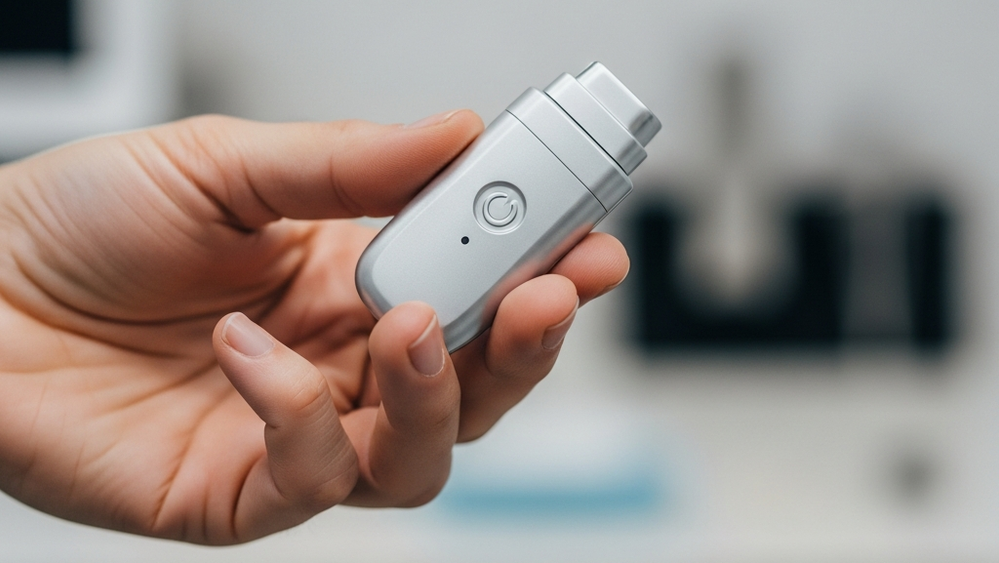
A new legal challenge has emerged involving Medtronic’s Intellis LT spinal cord stimulator, a device designed to manage chronic pain but now accused of exacerbating it. According to recent reports, a plaintiff alleges that the neurostimulation system failed to provide relief and instead led to debilitating physical symptoms that were not present before the surgery. These devices are surgically implanted to send electrical pulses to the spinal cord, yet defects in the software or hardware can lead to unintended shocks or lead migration. This specific case highlights growing concerns regarding the safety protocols and manufacturing standards of Medtronic's neurostimulation technology. For patients who were already suffering from chronic conditions, the realization that their medical intervention caused more harm than good is both physically and emotionally devastating.
Affected by a Product Liability Issue?
Our specialized tool can help you estimate the potential worth of your case based on current laws and precedents.
Proving Liability in Medical Device Defect Cases
When a medical device like the Intellis LT causes harm, legal liability often falls under the umbrella of product liability law. Manufacturers are required to ensure their products are safe for their intended use and must provide adequate warnings to doctors and patients about potential risks. In this instance, the plaintiff argues that Medtronic failed to warn users about the potential for worsening pain and that the device itself was defectively designed or manufactured. Under the legal theory of strict liability, a manufacturer can be held responsible even if they weren't explicitly negligent, provided the product was unreasonably dangerous. Expert testimony from biomedical engineers and neurosurgeons is typically required to prove that the device's failure was the direct cause of the patient's worsening symptoms and subsequent surgeries.
Essential Steps for Victims of Failed Neurostimulators
If you suspect that a spinal cord stimulator has caused you additional injury, your first priority must be seeking medical attention to address the pain and ensure the device is functioning safely. Following this, documenting the timeline of your symptoms and any communication with your doctor is vital for building a potential case. You should also consult our first 24 hours after an injury checklist to understand how to preserve evidence and protect your rights early on. It is also wise to use our free product liability calculator to get an initial sense of what a legal claim might be worth based on your specific injuries. Do not attempt to have the device removed without a thorough discussion with your medical team and legal counsel, as the device itself remains a critical piece of evidence for your lawsuit.
Assessing Potential Settlements for Defective Spinal Implants
Compensation in medical device lawsuits can be significant, particularly when the injury requires corrective surgery or results in permanent nerve damage. Victims may pursue damages for medical expenses, including the cost of the initial implant and subsequent removal procedures, as well as lost wages and loss of future earning capacity. Non-economic damages such as pain and suffering often constitute a large portion of these settlements due to the chronic nature of the injuries caused by neurostimulators. For context on high-value product liability outcomes, one can look at how a judge upheld a $9M Crock-Pot pressure cooker verdict, demonstrating that courts are willing to award substantial amounts for manufacturer negligence. Every case is unique, and factors such as the severity of the permanent disability and the patient's age will heavily influence the final settlement range.
Product Liability Laws and FDA Medical Device Regulations
The legal landscape for medical device litigation is governed by a combination of state product liability laws and federal oversight by the U.S. Food and Drug Administration (FDA). Under the legal doctrine of preemption, some medical device claims are limited if the product received specific types of FDA approval, making these cases highly complex. It is essential to be aware of the statute of limitations in your state, which dictates the timeframe you have to file a lawsuit after discovering the injury. Additionally, legal principles like the eggshell plaintiff rule may apply, ensuring that a defendant is liable for the full extent of the injuries even if the victim had a pre-existing condition that made them more susceptible to harm. Navigating these overlapping regulations requires a deep understanding of both healthcare policy and tort law to ensure victims receive the maximum recovery allowed.
Evaluate Your Medtronic Neurostimulator Case Today
Taking the first step toward legal recovery can feel overwhelming, but you do not have to navigate the process alone. Our team provides tools to help you understand the strength and value of your potential claim without any upfront cost or commitment. By using our comprehensive case evaluator, you can gain clarity on how your specific injuries, corrective surgeries, and financial losses translate into a legal demand. Whether you are dealing with a failed Medtronic implant or another defective medical device, getting an accurate assessment is the foundation of a successful recovery. Start your journey toward justice by visiting our case value calculator to see what your claim might be worth today and find out how we can help you hold manufacturers accountable.
Disclaimer: This blog post is for informational purposes only and does not constitute legal advice. For specific legal guidance regarding your situation, please consult with a qualified attorney.