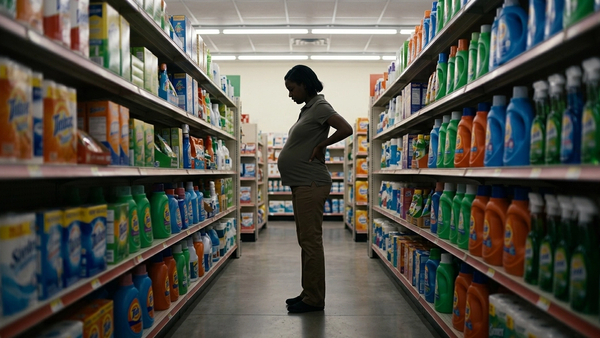
EEOC Investigates Potential Pregnancy Bias in Delivery Network
The U.S. Equal Employment Opportunity Commission (EEOC) is significantly ramping up its investigation into the labor practices of Amazon’s Delivery Service Partners (DSPs), specifically focusing on allegations of pregnancy discrimination. According to recent reports, the agency is seeking extensive worker data to determine if systemic biases exist within these third-party delivery agencies. This move highlights the federal government's increasing scrutiny of the logistics industry and contractor-based models that often attempt to insulate large corporations from direct liability. By examining hiring, firing, and accommodation records, the EEOC aims to identify whether pregnant employees are being unfairly pushed out of their roles or denied necessary workplace adjustments. This probe is part of a broader trend of federal regulators looking more closely at how major tech companies manage their massive workforces through intermediaries.
Affected by a Civil Rights Issue?
Our specialized tool can help you estimate the potential worth of your case based on current laws and precedents.
Establishing Liability for Workplace Pregnancy Discrimination
Liability in these cases often centers on the legal relationship between the primary corporation and its subcontractors, frequently referred to under the "joint employer" doctrine. If an Amazon DSP fails to provide reasonable accommodations or terminates a worker due to pregnancy, they may be held liable for violating federal protections regardless of their specific contract terms. Legal experts are closely watching how these entities handle the requirements of the Pregnant Workers Fairness Act, which requires employers to provide accommodations unless it causes a documented undue hardship. Proving liability requires demonstrating a direct link between the pregnancy status and an adverse employment action, such as a sudden termination, demotion, or a refusal to allow light-duty tasks. For many workers, the challenge lies in proving that the delivery partner acted with discriminatory intent or failed in their affirmative duty to accommodate.
Crucial Steps for Workers Facing Pregnancy Bias
If you suspect you have been a victim of workplace discrimination, it is crucial to maintain a detailed log of all communications with management and human resources. You should request all performance reviews and any written reasons provided for changes in your employment status to ensure you have a clear paper trail for future legal action. Before taking formal steps, you can use our free case calculator to understand the potential scope of your damages. Reviewing previous outcomes, such as the ALM Freight settlement, can also provide insight into how these federal investigations and private lawsuits might conclude. It is important to act quickly, as many employment claims have strict filing deadlines that must be met to preserve your right to sue.
Potential Recovery and Settlement Values in Discrimination Cases
Victims of pregnancy discrimination may be entitled to various forms of financial recovery depending on the severity of the violation and the specific financial losses incurred. This typically includes back pay for lost wages, front pay if reinstatement is not possible, and compensation for emotional distress caused by the unfair treatment. In cases where the employer's conduct was particularly egregious or showed a reckless indifference to your rights, punitive damages may also be awarded to deter future misconduct. Settlement amounts vary widely based on the strength of the evidence, the duration of the discrimination, and the specific impact on the individual’s career trajectory. Because every situation is unique, it is essential to look at comparable cases to gauge what a fair settlement might look like in your specific circumstances.
Federal Protections and the Pregnant Workers Fairness Act
Several federal statutes protect workers from these types of biases, most notably Title VII of the Civil Rights Act of 1964 and the Pregnancy Discrimination Act. More recently, the Pregnant Workers Fairness Act has expanded these protections by explicitly requiring employers to provide reasonable accommodations for pregnancy-related conditions, such as extra breaks or lifting restrictions. The EEOC often uses its subpoena power to enforce these laws and gather data from non-compliant companies, similar to the JamRock Solutions action seen in other recent investigations. Understanding these federal frameworks is the first step in holding a non-compliant employer accountable for their actions and ensuring that your workplace rights are respected. Failure to comply with these federal mandates can lead to significant fines and mandatory policy changes for the offending companies.
Discover the Potential Value of Your Legal Claim
Navigating an employment dispute against a large delivery network or its partners can be overwhelming without the right resources and legal guidance. Our free case evaluation tool is designed to help you determine if you have a valid claim and what steps you should take next to protect your livelihood and your family. Whether you were denied a simple accommodation, faced a sudden termination, or experienced workplace harassment, you deserve to know the true worth of your legal rights. Take the first step toward justice today by using our wrongful termination calculator to get a clear picture of your potential recovery. You do not have to face a massive corporation alone; getting a professional estimate of your case value is the best way to start your journey toward a fair resolution.
Disclaimer: This blog post is for informational purposes only and does not constitute legal advice. For specific legal guidance regarding your situation, please consult with a qualified attorney.