Introduction to Swimming Pool Liability and Drowning Accidents
Swimming pool accidents are among the most devastating incidents a family can endure. According to the Centers for Disease Control and Prevention, there are approximately 4,000 fatal unintentional drownings every year in the United States. For every child who dies from drowning, another eight receive emergency department care for non-fatal drowning. These incidents often leave victims with permanent brain damage or result in a tragic loss of life that could have been prevented through reasonable safety measures.
When a drowning occurs, the legal system provides a pathway for families to seek accountability through premises liability and wrongful death lawsuits. These claims are predicated on the idea that property owners—whether they are private homeowners, hotel operators, or municipal governments—have a legal obligation to maintain a safe environment. When a property owner fails in this duty, they can be held liable for the resulting damages. Navigating these cases requires a deep understanding of state-specific negligence laws and the unique doctrines that apply when children are involved.
Affected by a Wrongful Death Issue?
Our specialized tool can help you estimate the potential worth of your case based on current laws and precedents.
Understanding the Four Pillars of Property Owner Negligence
To succeed in a swimming pool drowning lawsuit, a plaintiff must establish that the property owner was negligent. In the legal context of personal injury, negligence is not just a general sense of carelessness; it is a specific failure to meet a legal standard. There are four essential pillars that must be proven in these cases:
- Duty of Care: The plaintiff must show that the property owner owed them a duty of care. In premises liability, this duty varies depending on the victim's status (invitee, licensee, or trespasser). Generally, pool owners must take reasonable steps to ensure their pool is safe for guests.
- Breach of Duty: The owner must have failed to meet that duty. Examples include failing to fix a broken gate, neglecting to install proper depth markers, or allowing the water to become so cloudy that a body on the bottom cannot be seen.
- Causation: It is not enough for a pool to be unsafe; that specific lack of safety must have caused the drowning. For instance, if a child drowned because a gate was left open, the open gate is the direct cause.
- Damages: The incident must have resulted in actual losses, such as medical expenses, funeral costs, or the loss of a loved one's companionship.
Establishing these elements often requires extensive evidence, ranging from maintenance logs to expert testimony regarding safety standards. If you are dealing with a loss, you can estimate your potential claim value here to understand the financial scope of your recovery.
The Attractive Nuisance Doctrine: Protecting Children
One of the most important concepts in swimming pool litigation is the Attractive Nuisance Doctrine. Under standard premises liability rules, a property owner generally does not owe a high duty of care to a trespasser. However, the law recognizes that children are uniquely susceptible to the allure of things like swimming pools, trampolines, and construction sites, often without understanding the inherent dangers.
As defined by Cornell Law School's Legal Information Institute, the attractive nuisance doctrine allows a child to recover damages for an injury even if they were technically trespassing. To hold an owner liable under this doctrine, the following must typically be proven:
- The owner knew or should have known that children were likely to trespass on the property.
- The pool posed an unreasonable risk of death or serious bodily harm to children.
- The children, because of their age, did not realize the danger involved in entering the pool area.
- The utility to the owner of maintaining the pool and the burden of eliminating the danger were slight compared to the risk to children.
- The owner failed to exercise reasonable care to eliminate the danger or protect the children.
This doctrine essentially places a burden on homeowners to "child-proof" their pools by installing fences and self-latching gates, even if they do not have children of their own.
Common Types of Negligent Behavior in Pool Accidents
Negligence in pool cases can take many forms. It is rarely a single isolated event but rather a failure of systems and oversight. Common examples cited in lawsuits include:
Inadequate Fencing and Barriers
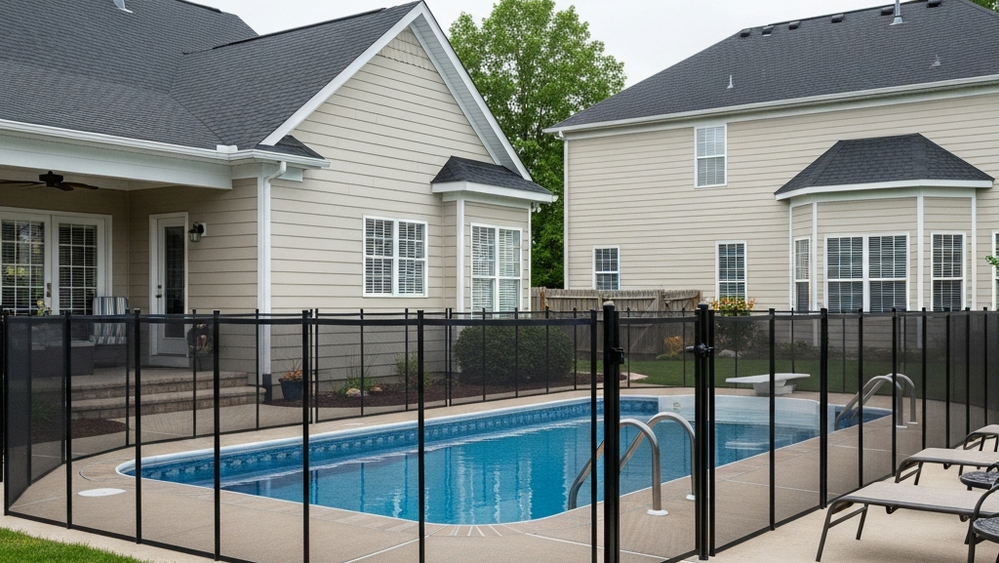
Most jurisdictions have specific building codes requiring a four-sided fence that is at least four feet tall. If a fence is falling apart or has gaps large enough for a child to squeeze through, the owner is likely negligent. Furthermore, gates must be self-closing and self-latching.
Lack of Proper Supervision
In commercial settings, such as hotels or public water parks, the failure to provide adequately trained lifeguards can be a major source of liability. In residential settings, leaving a child unattended for even a few seconds can constitute a breach of duty. Understanding homeowner insurance coverage limits is vital here, as these policies are typically the source of recovery for residential accidents.
Improper Maintenance and Water Clarity
Cloudy or murky water is a significant safety hazard. If a swimmer goes underwater and cannot be seen by others or a lifeguard, the time required for a rescue increases exponentially. Similarly, broken ladders or slippery surfaces around the pool deck can lead to slip-and-fall injuries that precede a drowning.
The Virginia Graeme Baker Pool and Spa Safety Act
A critical piece of federal legislation affecting pool safety is the Virginia Graeme Baker Pool and Spa Safety Act. This law was enacted after the tragic death of the granddaughter of former Secretary of State James Baker III, who died from suction entrapment in a hot tub.
The act requires all public pools and spas to have anti-entrapment drain covers and, in some cases, a second drainage system or a safety vacuum release system. These devices prevent the powerful suction of a pool pump from trapping a swimmer underwater. If a drowning is caused by a drain entrapment in a public or commercial pool that is not compliant with this act, the owner faces near-certain liability. This highlights how technical failures are just as important as behavioral failures in these lawsuits.
Residential vs. Commercial Pool Liability Differences
The legal strategy for a drowning lawsuit changes significantly depending on whether the incident occurred at a private residence or a commercial property. Commercial property owners, like hotels, apartment complexes, and fitness centers, are generally held to a higher standard of care because their patrons are "invitees"—people on the property for the owner's financial benefit.
Commercial owners must:
- Conduct regular inspections for hazards.
- Provide emergency equipment like life rings or shepherd's hooks.
- Post clear warning signs and depth markers.
- Ensure lifeguards are properly certified and alert.
Private homeowners, conversely, must protect their "licensees" (social guests) from known dangers. They are not necessarily required to inspect the property as rigorously as a hotel, but they must warn guests of any hidden hazards they are aware of, such as a broken drain or a depth that is shallower than it appears. To understand how these different environments impact your legal rights, you can use our premises liability calculator.
Public Pools and Municipality Liability Challenges
When a drowning occurs at a municipal pool, city park, or public school, the lawsuit enters the realm of government liability. Suing a government entity is significantly more complex than suing a private individual due to the doctrine of sovereign immunity. This doctrine protects government bodies from being sued unless they have specifically waived that immunity for certain types of negligence.
In many states, the "Tort Claims Act" provides the framework for these lawsuits. Key hurdles include:
- Notice Requirements: Many states require a formal "Notice of Claim" to be filed within a very short window—sometimes as little as 60 or 90 days after the accident.
- Damage Caps: Governments often place limits on how much a plaintiff can recover, regardless of the severity of the loss.
- Standard of Care: Some states require a showing of "gross negligence" or "willful and wanton conduct" to overcome immunity, which is a much higher bar than ordinary negligence.
Proving Liability: The Role of Evidence and Experts
A successful lawsuit relies on the quality of evidence preserved immediately after the accident. Because pool owners often move quickly to repair hazards (like fixing a broken gate) after an incident, immediate action is necessary. Key evidence includes:
- Photos and Video: High-resolution images of the pool area, the fence, the gate, and any lack of signage.
- Maintenance Logs: Commercial pools are required to keep logs of water chemistry, inspections, and repairs.
- Expert Witnesses: Specialists in pool safety, aquatic recreation, and medical pathology play a vital role. An aquatic expert can testify that a gate latch was defective or that a lifeguard's rotation schedule violated industry standards.
- Witness Statements: Eyewitness accounts of the supervision levels or the behavior of pool staff leading up to the incident.
Establishing a clear timeline of events is essential to proving that the property owner's failure was the proximate cause of the drowning.
Wrongful Death Damages and Financial Compensation
In the event of a fatal drowning, the family may file a wrongful death claim to recover compensation for their losses. These damages are generally categorized into two groups: economic and non-economic.
- Economic Damages: These include medical expenses incurred before death, funeral and burial costs, and the loss of financial support the deceased would have provided to their family.
- Non-Economic Damages: These are often the most significant portion of a drowning settlement. They include the loss of love, companionship, guidance, and protection. For parents, the wrongful death of a minor involves calculating these intangible losses through a "loss of society" lens, as there are no lost future wages to calculate.
In cases where the property owner's conduct was particularly egregious—such as knowingly ignoring multiple safety violations—the court may also award punitive damages. These are intended to punish the wrongdoer and deter similar conduct in the future.
Shared Fault and Comparative Negligence in Drowning Cases
A common defense tactic in drowning lawsuits is to blame the victim or the victim's parents for a lack of supervision. This is handled through the doctrine of comparative negligence. Most states follow a system where the total compensation is reduced by the plaintiff's percentage of fault.
For example, if a jury determines that a hotel is 80% responsible for a drowning because of a broken gate, but the parents are 20% responsible for failing to watch the child for five minutes, the final award will be reduced by 20%. Understanding shared fault rules is essential for managing expectations during settlement negotiations. If the victim's fault exceeds 50% (in "modified" comparative negligence states), they may be barred from recovering anything at all.
Surviving Non-Fatal Drownings: Life-Care Planning
Not all pool accidents result in death. Non-fatal drownings can cause severe hypoxic-ischemic brain injuries due to a lack of oxygen. These victims often require 24-hour nursing care, physical therapy, specialized medical equipment, and home modifications for the rest of their lives.
In these instances, the lawsuit must account for "future damages." A life-care planner is typically hired to create a comprehensive report detailing every expense the victim will encounter over their projected lifespan. These cases often result in multi-million dollar settlements or verdicts because the cost of ongoing medical care is staggering. Proving that the property owner is responsible for these life-long costs requires meticulous documentation of the standard of care breach.
Steps to Take Following a Swimming Pool Accident
If you or a loved one has been involved in a pool accident, the actions you take in the subsequent hours and days can dictate the success of your legal claim.
- Seek Immediate Medical Attention: Even if a person seems fine after being pulled from the water, they may have "dry drowning" or secondary drowning risks involving fluid in the lungs.
- Report the Incident: If the accident happened at a hotel or public pool, ensure a formal incident report is filed and request a copy.
- Identify Witnesses: Collect the names and contact information of anyone who saw the incident or was in the pool area.
- Do Not Sign Anything: Insurance adjusters for the property owner may offer a quick settlement. These offers are almost always significantly lower than the actual value of the case and often require you to waive your right to sue later.
- Preserve the Scene: If possible, take photos of the pool area exactly as it was when the accident occurred, focusing on safety equipment and barriers.
How Your State’s Laws Impact Your Case Value
Premises liability laws are not uniform across the United States. Each state has its own statutes regarding the statute of limitations (the deadline to file a lawsuit) and how the attractive nuisance doctrine is applied. For instance, some states have very strict "one-bite" type rules for general negligence, while others apply a broader standard of "reasonable care under the circumstances."
Furthermore, the "Status of the Entrant" rules remain a major factor in states like Texas and Virginia, whereas states like California have abolished the distinction between invitees and licensees, focusing instead on whether the owner acted reasonably to prevent foreseeable harm. Consulting a legal professional who understands these local nuances is the only way to ensure your rights are fully protected.
Conclusion: Seeking Justice After a Tragedy
Swimming pool drowning lawsuits are legally complex and emotionally draining. They require a balance of compassionate advocacy and aggressive litigation to hold negligent property owners accountable. Whether the cause was a broken gate, a missing lifeguard, or a non-compliant drain cover, the law provides a mechanism for victims to seek the compensation they need to move forward.
If your family has been affected by a drowning or near-drowning accident, understanding your legal standing is the first step toward justice. Every case is unique, and the value depends on a multitude of factors including the degree of negligence, the age of the victim, and the insurance policy limits of the responsible party.
To get a better understanding of what your claim might be worth based on current legal standards and jury award trends, we encourage you to use our free case evaluation tool. Our comprehensive system analyzes the specifics of your situation to provide an estimate of your potential settlement or verdict value.
Disclaimer: This blog post is for informational purposes only and does not constitute legal advice. For specific legal guidance regarding your situation, please consult with a qualified attorney.