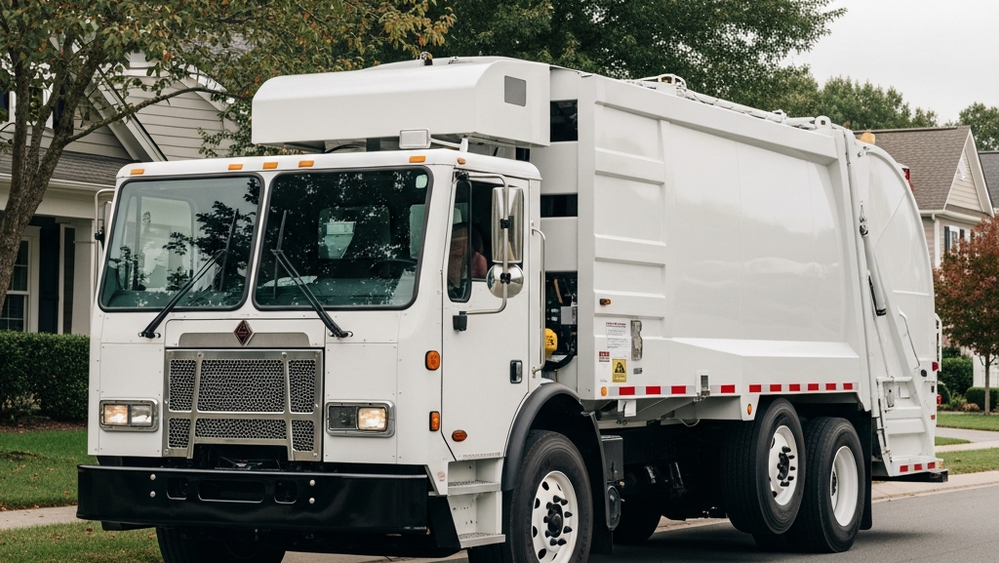
Republic Services Settles Sex Discrimination Lawsuit
Republic Services, specifically its Allied Waste Services of the Ozarks division, has reached a settlement to pay $200,000 to resolve allegations of sex-based discrimination. According to recent reports from the EEOC, the company was accused of maintaining hiring practices that unfairly excluded female applicants. This legal action was initiated by the Equal Employment Opportunity Commission after it determined there was evidence of bias in the waste management firm's recruitment process. The settlement underscores the ongoing challenges women face in historically male-dominated industries like sanitation and transportation. By agreeing to this payout, Republic Services avoids further litigation while committing to overhaul its hiring policies.
Affected by a Civil Rights Issue?
Our specialized tool can help you estimate the potential worth of your case based on current laws and precedents.
Identifying Bias in Corporate Hiring Practices
In this case, the liability stems from Title VII of the Civil Rights Act, which prohibits employers from discriminating based on sex during the hiring phase. When a company uses screening criteria that disproportionately affects one gender without a legitimate business necessity, they open themselves up to significant legal exposure. Lawyers often look for "disparate impact" or "disparate treatment" as evidence of systemic failure within a human resources department. For Republic Services, the EEOC alleged that their methods effectively barred qualified women from securing positions. Proving such claims often requires a deep dive into company records, interview notes, and statistical data regarding applicant pools.
What to Do If You Face Workplace Discrimination
If you believe you have been denied a job or treated unfairly due to your gender, it is critical to document every interaction and save copies of your application materials. You should start by filing a formal complaint through internal channels, though many victims find it necessary to escalate the matter to the federal or state level. Navigating these complexities can be daunting, which is why it is helpful to understand the risks of using AI in pro se employment lawsuits before attempting to represent yourself. You should also consider how much your time and emotional distress might be worth in a legal context. Use our free case calculator to estimate your potential claim and help decide if pursuing a lawsuit is the right path for you.
Estimating Damages in Sex Discrimination Claims
Compensation in employment discrimination cases can vary wildly depending on the specific circumstances and the severity of the bias. Victims may be entitled to back pay, which covers the wages they would have earned if they had been hired or promoted. Additionally, front pay, compensatory damages for emotional distress, and even punitive damages may be available if the employer's conduct was particularly egregious. In the Republic Services settlement, the $200,000 will be distributed among the affected class of female applicants. Understanding these ranges is vital, as seen in how a court upholds a $3.4 million race bias verdict for other types of workplace discrimination.
Federal Protections Against Sex-Based Bias
The primary legal shield for workers in the United States is Title VII of the Civil Rights Act of 1964, which is enforced by the EEOC. This federal law makes it illegal for employers to discriminate against someone because of race, color, religion, national origin, or sex. Employers must also be wary of how they handle data during the hiring process, as the EEOC warns about protecting hiring from race and sex bias when using modern technology. There are also strict statutes of limitations for filing these claims, often requiring action within 180 or 300 days of the discriminatory event. Failure to meet these deadlines can permanently bar a victim from seeking justice or financial recovery.
Evaluate Your Missouri Employment Case Today
If you were impacted by hiring practices in the Midwest or any other region, you do not have to navigate the legal system alone. Securing professional representation can ensure that your rights are fully protected and that you receive the maximum compensation possible for your experience. Since this specific case involved operations in the Ozarks, it is a reminder that local and state laws also play a significant role in outcomes. You can take the first step toward resolution by using our Missouri wrongful termination calculator to see what your case might be worth. Do not let corporate negligence go unchallenged; get the information you need to move forward with confidence.
Disclaimer: This blog post is for informational purposes only and does not constitute legal advice. For specific legal guidance regarding your situation, please consult with a qualified attorney.