OSHA Cites Georgia Stone Plants for Crystalline Silica
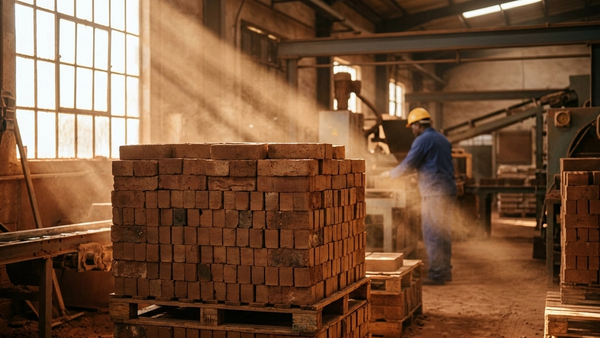
The U.S. Department of Labor recently conducted follow-up inspections at two stone product manufacturing facilities in Cartersville, Georgia, uncovering severe safety lapses. According to recent reports, these employers failed to rectify previously identified hazards involving respirable crystalline silica. This fine dust, created during the cutting and grinding of stone, poses a significant threat to respiratory health if not properly controlled through ventilation and protective gear. The citations highlight a disturbing pattern of negligence where worker safety was deprioritized despite prior warnings from federal regulators. Such violations underscore the ongoing risks faced by industrial workers in the stone fabrication industry across the state.
Affected by a Workers Compensation Issue?
Our specialized tool can help you estimate the potential worth of your case based on current laws and precedents.
Who is Responsible for Hazardous Silica Levels?
Liability in cases involving occupational toxic exposure often rests on the employer's failure to maintain a safe working environment as mandated by federal law. When a company ignores OSHA warnings regarding silica dust, they may be found "willfully" negligent, which can significantly impact legal claims and penalty amounts. In addition to the employers, manufacturers of the stone cutting equipment or the raw materials themselves might share liability if they failed to provide adequate safety instructions or warnings. Proving liability requires demonstrating that the business knew of the risks—often through prior citations—yet failed to implement engineering controls or provide personal protective equipment. These failures transform a workplace hazard into a clear case of legal negligence and corporate responsibility.
Protecting Your Health and Legal Interests
If you work in the stone industry and believe you have been exposed to hazardous dust, your first priority should be seeking a specialized medical evaluation for respiratory issues. Documenting every instance of safety equipment failure or lack of ventilation is crucial for building a future claim. You should also consult with legal professionals who understand industrial safety standards, similar to those discussed in our article on Wisconsin factory safety violations. Keeping records of your employment history and any medical diagnoses like silicosis or lung cancer will be essential evidence for your attorney. To understand the potential financial impact of your situation, use our free case calculator to estimate the value of a potential claim based on your specific circumstances.
Understanding Potential Damages for Silica Exposure
Victims of occupational silica exposure may be entitled to various forms of compensation depending on the severity of their illness and the degree of employer negligence. Common damages include coverage for past and future medical expenses, lost wages due to inability to work, and compensation for permanent disability. In cases where an employer showed a blatant disregard for safety, punitive damages might be pursued to punish the company and deter future violations. Settlement amounts vary widely but often reflect the long-term healthcare needs associated with chronic lung conditions. Factors such as the duration of exposure and the impact on the victim's quality of life are primary drivers in determining the final settlement value.
Federal and State Laws Guarding Georgia Workers
The legal landscape for stone workers is governed by both state workers' compensation laws and federal safety regulations enforced by the Occupational Safety and Health Administration. Under the Occupational Safety and Health Act, employers are legally required to provide a workplace free from recognized hazards, including toxic dust. In Georgia, the workers' compensation system typically serves as the primary avenue for recovery, but third-party lawsuits may be possible if equipment defects contributed to the injury. It is also important to consult the Georgia State Board of Workers' Compensation for specific filing deadlines and procedural requirements. Understanding these overlapping jurisdictions is vital for any worker seeking to hold their employer or a manufacturer accountable for health complications.
Calculate Your Georgia Workers' Comp Claim Value
Navigating the complexities of a workplace injury or toxic exposure claim can be overwhelming without the right tools and guidance. Our team is dedicated to helping Georgia workers understand their rights and the potential value of their legal cases after serious safety violations. By evaluating the specific details of your exposure and medical history, you can take the first step toward securing the compensation you deserve for your injuries. Don't wait until your health deteriorates further to seek the legal answers you need for your family's future. Use our Georgia workers' compensation calculator today to get a better understanding of what your case might be worth in the current legal landscape.
Disclaimer: This blog post is for informational purposes only and does not constitute legal advice. For specific legal guidance regarding your situation, please consult with a qualified attorney.