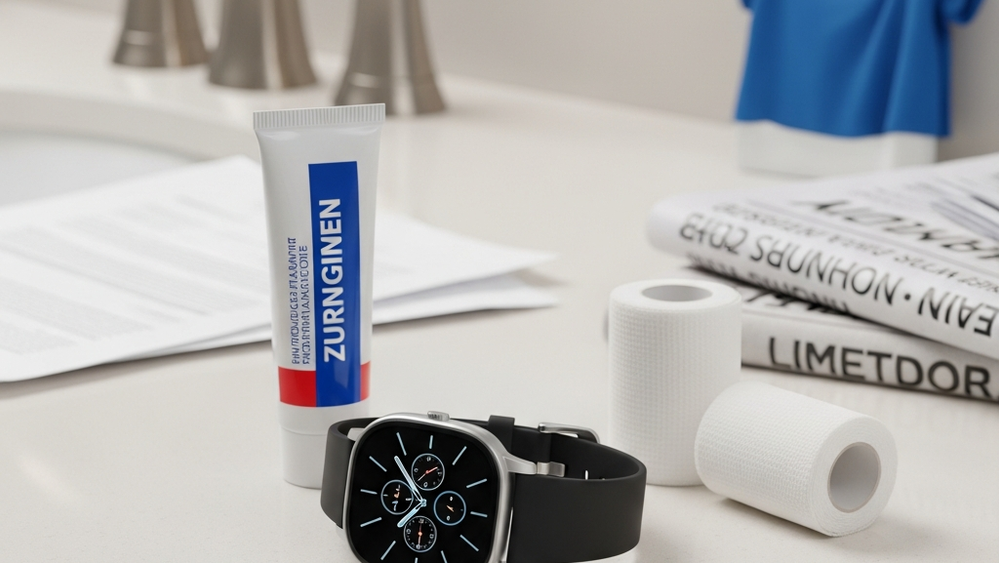
Apple Watch User Files Lawsuit Over Second-Degree Burns
A woman has recently filed a product liability lawsuit against Apple, claiming that her Apple Watch overheated and caused painful second-degree burns to her wrist. According to recent reports, the plaintiff experienced a sudden sensation of heat followed by visible skin damage while wearing the popular smartwatch. This incident raises significant concerns regarding the safety of wearable technology and the thermal management systems within these devices. The lawsuit seeks damages for medical expenses, pain and suffering, and the permanent scarring resulting from the injury. As more consumers rely on these gadgets for health monitoring, this case highlights potential hidden risks in everyday consumer technology.
Affected by a Product Liability Issue?
Our specialized tool can help you estimate the potential worth of your case based on current laws and precedents.
Determining Liability for Wearable Device Malfunctions
From a legal perspective, this case falls under product liability, where a manufacturer can be held responsible for design defects, manufacturing errors, or a failure to warn consumers about potential risks. In cases involving battery overheating or electrical malfunctions, lawyers often look at whether the product met industry safety standards or if a safer alternative design was available. Apple may be held strictly liable if the plaintiff can prove that the watch was unreasonably dangerous during normal use. Similar to issues seen in other tech-related injuries, like Volvo battery fire risks, the focus often shifts to the internal components and thermal safety sensors. Proving a direct link between the device's defect and the resulting burn is essential for a successful legal claim.
Immediate Actions to Take After a Product Injury
If you or a loved one sustains an injury from a consumer electronic device, the first priority is seeking immediate medical attention to document the severity of the wound. It is crucial to keep the device in the exact state it was in during the incident, as it serves as primary evidence for forensic engineering experts. Take clear photographs of the injury, the device, and any surrounding damage to provide a visual record for your legal team. You should also avoid attempting to repair the device or returning it to the manufacturer for a refund until you have consulted with an attorney. For those facing different types of injuries, such as facial injuries from dog attacks, documenting the long-term impact on your quality of life is equally important for your claim.
Estimating Potential Damages in Burn Injury Lawsuits
Compensation in product liability cases involving burns typically covers both economic and non-economic damages. Victims may be entitled to reimbursement for past and future medical bills, including specialized dermatological treatments or skin grafts if necessary. Non-economic damages often include compensation for physical pain, emotional distress, and permanent disfigurement or scarring on the wrist. Settlement values can vary significantly based on the severity of the burn and whether the injury impacts the victim's ability to work. In severe cases where a product defect leads to a fatality, families might explore who can file a wrongful death lawsuit to seek justice for their loss.
Consumer Protection Laws and Product Safety Standards
Product liability claims are governed by state laws, but they are also influenced by federal safety guidelines established by organizations like the Consumer Product Safety Commission (CPSC). These regulations mandate that consumer electronics must not pose an unreasonable risk of injury under normal operating conditions. Most jurisdictions follow the doctrine of strict liability, a concept explained in detail by the Legal Information Institute, meaning the plaintiff does not necessarily have to prove negligence, only that the product was defective and caused harm. It is also important to consider the statute of limitations, which varies by state and dictates the timeframe in which a victim can legally file a claim. Understanding these frameworks is as critical as knowing how conscious pain and suffering impacts survival damage claims in more complex litigation.
Discover the Potential Value of Your Injury Claim
Navigating a legal battle against a major tech corporation can be overwhelming, but you do not have to do it alone. If you have been injured by a defective consumer product, taking the first step toward recovery starts with understanding your rights. Our free case evaluation tool is designed to help you determine if you have a viable claim and what your potential settlement might be worth. By answering a few simple questions, you can gain clarity on the next steps of your legal journey without any upfront cost. Do not wait to seek the justice and compensation you deserve for your injuries and suffering; use our calculator today to see where you stand.
Disclaimer: This blog post is for informational purposes only and does not constitute legal advice. For specific legal guidance regarding your situation, please consult with a qualified attorney.