Serious Safety Failures Lead to Bakery Worker Injury
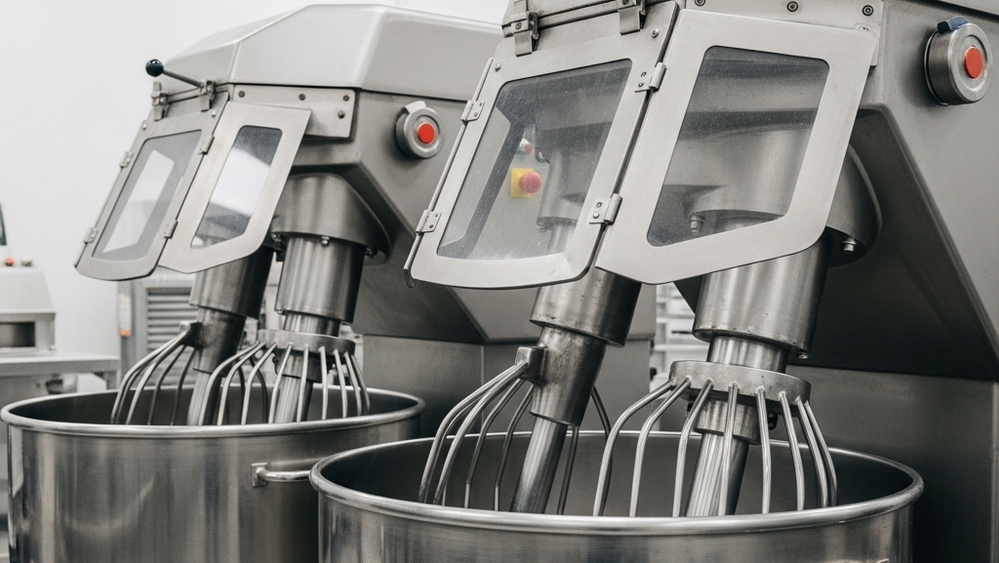
The U.S. Department of Labor has issued several citations against a Midwest commercial bakery following a significant workplace accident that left an employee with a broken arm. According to recent reports, the injury occurred in September 2025 while the worker was attempting to clear dough from machinery. This incident is particularly concerning because the facility has a history of similar safety lapses, leading federal investigators to classify these as repeat violations. The Occupational Safety and Health Administration (OSHA) emphasizes that these hazards were entirely preventable had the company adhered to established safety protocols. Such incidents highlight the ongoing risks industrial workers face when employers prioritize production speeds over staff well-being.
Affected by a Workers Compensation Issue?
Our specialized tool can help you estimate the potential worth of your case based on current laws and precedents.
Determining Liability for Repeat Workplace Hazards
When an employer is cited for repeat violations, it often establishes a pattern of negligence that is critical in a legal setting. Under federal law, companies have a non-delegable duty to maintain a work environment free from recognized hazards that could cause physical harm. In this case, the failure to implement proper machine guarding or lockout/tagout procedures suggests a willful disregard for the Occupational Safety and Health Act standards. Liability may extend beyond simple workers' compensation if it can be proven that the employer's actions were intentional or if a third-party equipment manufacturer contributed to the mechanical failure. Legal experts look closely at previous citations to build a case for increased damages due to the company's prior knowledge of the risks involved.
Vital Steps After a Catastrophic Workplace Accident
If you or a loved one has suffered an injury due to industrial negligence, the first priority is seeking immediate and comprehensive medical attention to document the extent of the trauma. Following medical stabilization, you must ensure the incident is formally reported to your employer and, if applicable, to federal safety boards to create a paper trail. Reviewing similar cases, such as how Illinois grain silo safety violations lead to OSHA fines, can provide perspective on how these investigations typically unfold. It is also wise to preserve any evidence, including photos of the machinery and witness contact information, as these are vital for insurance claims. To understand the potential worth of your claim, you should use our free case calculator to get an initial estimate of your recovery options.
Potential Damages for Severe On-the-Job Injuries
Recovering from a broken arm or a crushed limb often involves more than just a simple cast; it may require surgeries, physical therapy, and extended time away from work. Victims of workplace accidents are generally entitled to medical expense coverage and a portion of their lost wages through the workers' compensation system. However, in cases involving repeat violations or gross negligence, settlement amounts may also account for long-term disability, permanent loss of function, and vocational retraining. The total compensation is influenced by the severity of the injury, the clarity of the employer’s liability, and the impact on the victim's future earning capacity. Understanding these factors is essential for ensuring that any settlement offer fully addresses the lifelong impact of the injury.
Federal Protections for Injured Industrial Workers
Industrial safety is governed by a complex web of federal and state regulations designed to protect employees from mechanical hazards. The Department of Labor oversees the enforcement of these rules, ensuring that companies provide adequate training and protective equipment to all staff members. While workers' compensation is often the primary remedy, specific state statutes may allow for additional lawsuits if the employer's conduct was particularly egregious or if safety guards were intentionally removed. Statutes of limitations for filing these claims are strict, often requiring action within months of the injury to preserve your right to sue. Navigating these legal timelines requires a thorough understanding of both OSHA standards and local personal injury laws to ensure no technicalities bar your recovery.
Evaluate Your Workplace Injury Case Today
No worker should have to suffer a life-altering injury because their employer refused to fix known safety hazards. If you have been injured in a bakery, warehouse, or manufacturing plant, taking prompt legal action is the best way to secure your financial future and hold negligent parties accountable. Our interactive tools are designed to help you understand the legal landscape and the specific value of your potential claim. Try our Illinois workers' compensation calculator to see how much you might be eligible to receive based on your specific circumstances and medical needs. Don't wait until the statute of limitations expires; start the evaluation process now to ensure your rights are protected and justice is served.
Disclaimer: This blog post is for informational purposes only and does not constitute legal advice. For specific legal guidance regarding your situation, please consult with a qualified attorney.